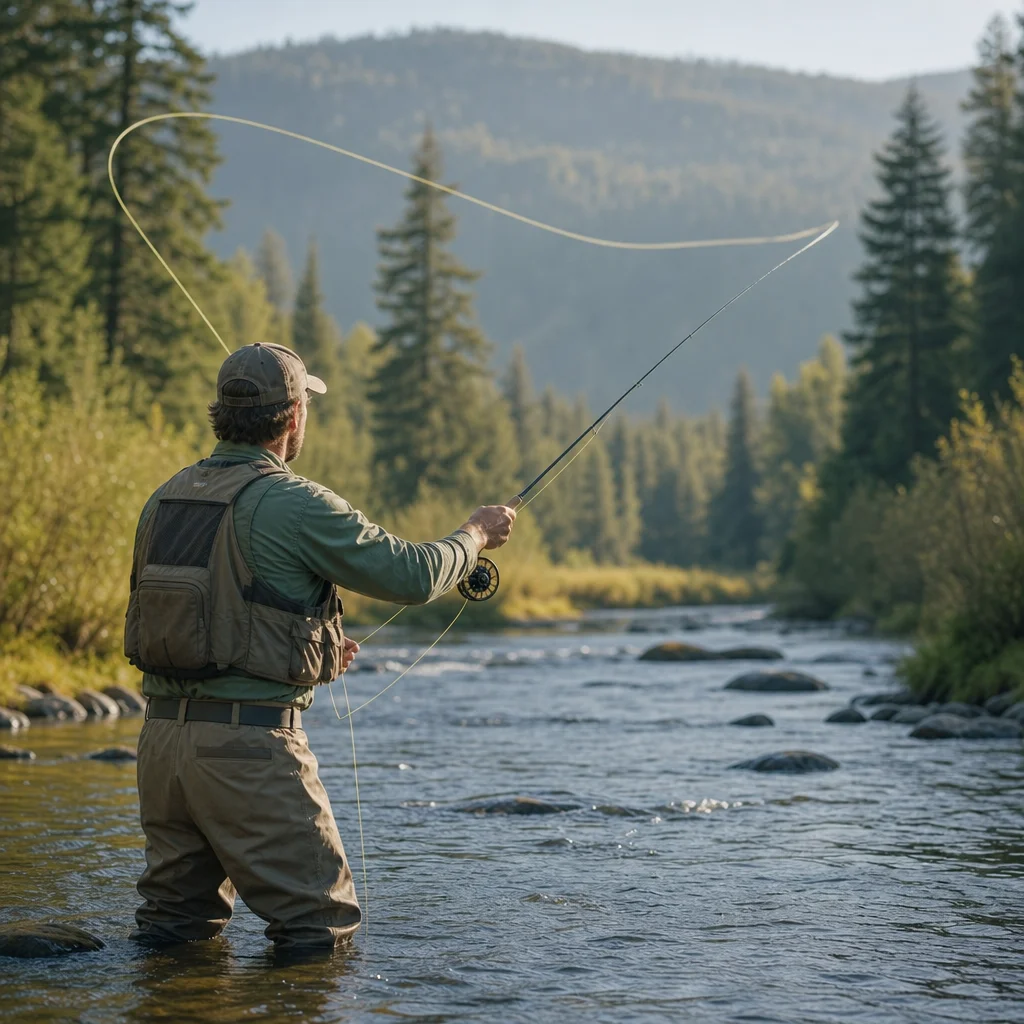
When summer water drops, weeds thicken, and trout shift between surface and subsurface feeding, a dry-dropper can become awkward fast. I’ll help you simplify adjustments to depth, spacing, fly size, and presentation without carrying a box for every possibility.
Read article →
I’ll help you choose safer approaches, foot placements, and fishing positions around beaver ponds while reducing damage to soft banks, dams, vegetation, and wildlife habitat. The goal is better access with fewer trips, slips, and unnecessary disturbances.
Read article →
I’ll clarify which license, trout stamp, permits, identification, and access documents a beginner may need before fishing for trout in the United States, including the easy-to-miss exceptions that can turn a legal-looking checklist into an incomplete one.
Read article →
An unfamiliar trout stream can make every cast feel premature, especially when small water offers little room for mistakes. I’ll give you a calm first-hour sequence for reading the stream, choosing a starting lie, testing it carefully, and knowing when to move.
Read article →
I’ll help you prepare for your first fly-fishing outing with a simple practice plan for knots, casting, wading awareness, and fish handling. You’ll know what to rehearse at home—and which common beginner mistakes to avoid at the river.
Read article →
Left-handed beginners often get handed right-handed casting advice that makes rod control and line management feel awkward. I’ll explain which choices matter, which can stay flexible, and how to build a first lesson around your natural movement rather than correcting it.
Read article →
I’ll explain how bright sunlight shifts trout toward shade, depth, and protective cover, then show you how to build a repeatable bank-to-bank search routine. You’ll learn which shadows deserve attention, how to approach them, and how to avoid wasting casts on attractive but empty cover.
Read article →
I’ll clarify how to find trout when a river seems to offer endless, identical water. You’ll learn how to compare depth, current speed, cover, and feeding value so you can fish fewer, better targets instead of covering every yard.
Read article →
I’ll compare the few pieces of cover, depth, positioning, and approach that matter most when you’re looking for trout in a low, clear creek, with late-summer disturbance kept to a minimum.
Read article →
I’ll compare the main ways to read a fast riffle—current speed, depth, structure, and seam lines—so you can narrow a seemingly chaotic run into manageable trout-holding zones and choose where to cast first.
Read article →