How to Fish Around Beaver Ponds Without Damaging Banks or Habitat
I’ll help you choose safer approaches, foot placements, and fishing positions around beaver ponds while reducing damage to soft banks, dams, vegetation, and wildlife habitat. The goal is better access with fewer trips, slips, and unnecessary disturbances.
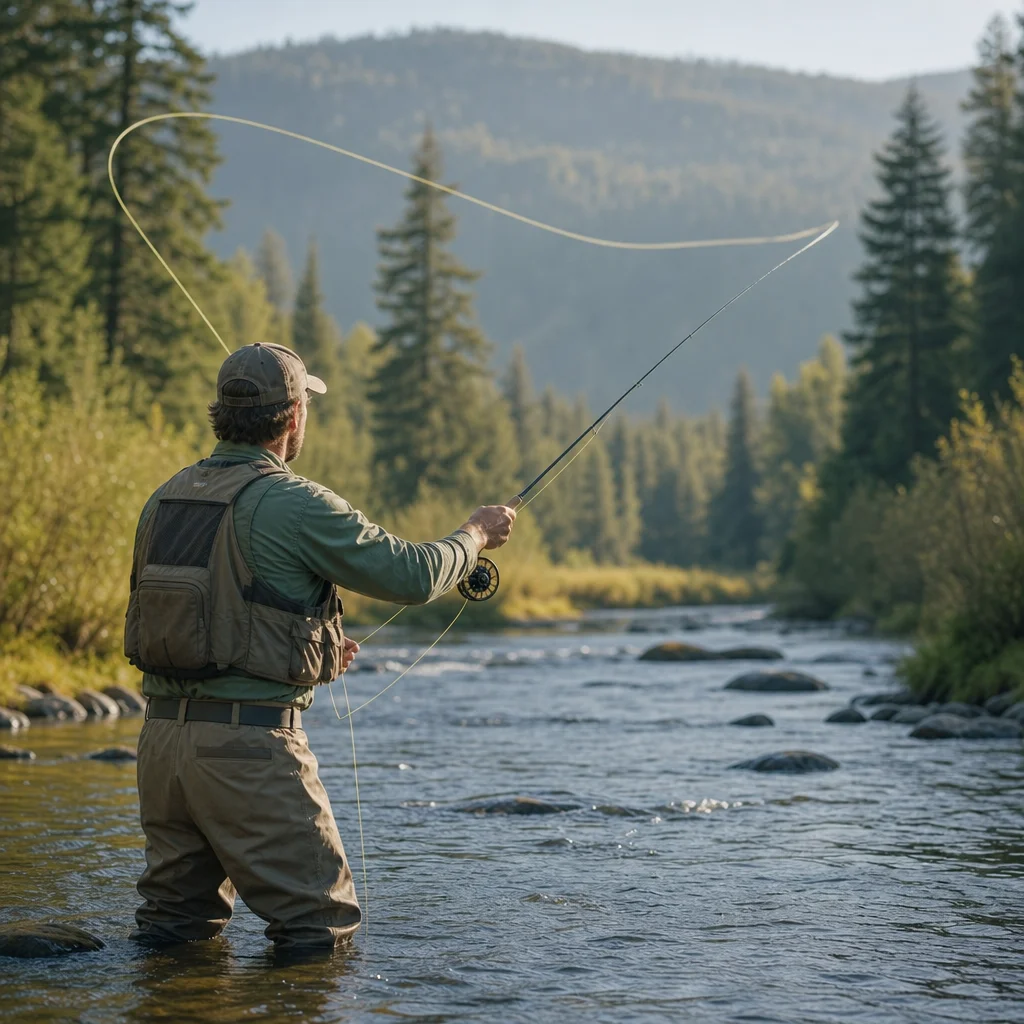
Beaver ponds can look easy to fish: calm water, slow edges, and trout gathering where a stream enters or leaves. The difficult part is getting close without turning a fragile margin into a muddy trail or putting yourself on unstable ground.
Around these ponds, good fishing usually starts with restraint. You’ll cover more water—and protect more habitat—by choosing a stable approach, making fewer bank crossings, and treating every soft edge as a potential hazard.
Check the access details first
Before you fish, confirm that access is legal and that the area has no seasonal closures, special wildlife restrictions, dam-entry rules, or stream-specific requirements. Regulations and land-access conditions vary by location and can change, so check the responsible fish-and-wildlife agency, land manager, and posted notices for the pond you plan to visit.
Choose the least damaging route
The best route is rarely the shortest straight line to the water. Look for durable surfaces first: exposed rock, firm gravel, existing paths, woody debris that is clearly stable, and open ground away from the pond’s wettest margin.
Avoid creating a new path when an established access point already reaches the water. Repeated footsteps on wet soil remove vegetation, expose roots, and create channels that carry sediment into the pond. One person’s shortcut may seem insignificant, but the same shortcut used throughout a season can become a permanent scar.
Before leaving the trail or parking area, study the shoreline from a distance. Identify:
- Firm places where you can stand without compressing wet soil
- A route back to higher ground
- The pond’s inlet and outlet
- Beaver dams, lodges, and active channels
- Areas with dense emergent vegetation or visible animal activity
- Any posted boundaries, closures, or private-property signs
If the only route requires repeated steps through mud, steep bank faces, or dense shoreline vegetation, fish a different section. A missed cast is cheaper than a damaged bank or a fall into cold water.
Treat soft banks as unstable ground
A bank can look solid while its surface rests on saturated soil, a hollow root mat, or an undercut edge. Watch for warning signs such as:
- Cracks running parallel to the water
- Overhanging turf with a dark gap beneath it
- Fresh slumping, exposed roots, or broken vegetation
- Water seeping from the bank
- Deep footprints that fill with water
- A thin crust over mud or peat
- Banks that flex or tremble when lightly tested
Don’t test questionable ground with your full body weight. Use a wading staff or trekking pole to probe from a stable position, and keep your center of gravity back from the edge. If the bank moves, retreats, or collapses under light pressure, back away and find another position.
Stay especially cautious around pond outlets and narrow channels. Water may flow beneath vegetation or through gaps that aren’t visible from shore. An apparently shallow crossing can conceal a soft bottom, a sudden drop, or a current strong enough to move your feet.
Use deliberate foot placement
When you do need to move along the margin, slow down. Place each foot on firm, already-disturbed ground rather than stepping on living vegetation. Keep your steps short and maintain three points of contact when climbing or descending: two feet and a hand, or two feet and a wading staff.
Avoid pivoting in place. Twisting your boot can shear roots and churn a small patch of soil into mud. Step forward cleanly, then pause to check your balance before making the next move.
A useful rule is to leave your feet where the ground can support them without squashing plants. That may mean staying several feet back from the water and casting from an angle rather than trying to reach the shoreline itself.
If you need to cross a narrow stream channel, use an existing hardened crossing when one is available. Don’t build stepping stones, move logs, or dismantle woody material. Those objects can provide cover, slow erosion, and help maintain the structure of the wetland.
Don’t walk on beaver dams or disturb structures
A beaver dam isn't a trail, bridge, or convenient platform. Its surface may contain loose branches, slick mud, hidden gaps, and water moving through the structure. Walking across it can damage the dam and expose you to a fall or an unexpected change in footing.
The same caution applies to lodges, bank dens, food caches, and active channels. Give these features a wide berth. Don’t pull branches from a dam to make room for a cast, clear vegetation from an edge, or rearrange materials to create a place to stand.
You can often fish productive water without approaching the structure itself. Cast from the downstream side, work the pond margin from firm ground, or position yourself near an inlet or outlet where the bank is stable. If the only casting angle requires contact with the dam or lodge, let that spot go.
Read wildlife behavior before settling in
Beaver ponds support more than trout. You may encounter beavers, muskrats, waterfowl, amphibians, nesting birds, and other animals using the same narrow margin you want to fish.
If a beaver is swimming, slapping its tail, circling, or repeatedly watching you, you’re too close for comfortable fishing. Move away and give it time to leave. Don’t approach a lodge, den entrance, young animal, nest, or feeding site to improve your casting angle.
Wildlife awareness also affects where you walk. Dense reeds, brush, and downed timber can hide holes, animals, and unstable ground. Make noise as you approach thick cover, keep your hands out of unseen gaps, and avoid pushing through vegetation when you can walk around it.
Keep food, bait, and scents controlled, and follow local rules about dogs. A leashed dog may still disturb shoreline wildlife or widen a fragile path, while an off-leash dog can enter areas you can’t safely inspect.
Fish from the bank whenever possible
Wading isn’t automatically better around a beaver pond. It can damage aquatic plants, stir fine sediment, disturb shallow refuge areas, and put you on an unpredictable bottom. Start by fishing from shore and change position before deciding you need to enter the water.
Use longer casts, roll casts, reach casts, or a sidearm presentation to keep your feet on firm ground. A longer leader can help you cover shallow edges without stepping closer. In tight vegetation, a shorter, more controlled cast may be more useful than trying to force a long one.
If wading is necessary and permitted, enter only at a known, gently sloping location with a firm bottom. Avoid areas with thick aquatic vegetation, deep silt, undercut banks, and visible current. Take small steps, shuffle rather than lift your feet high, and maintain contact with the bottom.
Never assume calm water is safe water. Beaver ponds can be cold, deep, and uneven, and submerged branches can catch a boot. Wear a properly fitted personal flotation device when conditions or local guidance call for one, and don’t wade beyond a depth or current you can confidently recover from.
Reduce repeated disturbance
A low-impact visit is about more than one careful step. Plan your session so you don’t repeatedly cross the same bank or return to the truck for forgotten gear.
Carry only what you need, but keep essentials accessible: forceps, line nippers, a net if appropriate, water, a phone or communication device, and clothing suited to changing weather. Pack out leader scraps, tippet, snack wrappers, and any other waste. Monofilament left near water can injure wildlife.
When moving between spots, follow one durable route rather than creating several small trails. If a bank begins to show fresh mud, exposed roots, or widening footprints, stop using that route. You’re receiving useful feedback from the habitat.
Avoid fishing the same small edge continuously if trout or wildlife appear stressed. Rotate to another stable position, allow the area to settle, or end the session. A pond doesn’t need to provide action every minute you’re there.
Handle trout with the same care
Habitat protection and fish handling are connected. A careful approach is undermined if a trout is dragged across mud, grass, or woody debris for a photograph.
Keep the fish in the water as much as possible. Wet your hands before touching it, support its body without squeezing, and remove the hook promptly with forceps or hemostats. If the hook is deeply embedded or removal would cause more damage, follow local guidance for the least harmful option rather than forcing it.
Prepare your camera before lifting the fish. Keep the fish low over the water, limit its time out of the water, and release it facing into gentle, oxygenated flow when conditions allow. In warm or stressful conditions, skip the photograph and concentrate on a quick release.
Check handling rules at the pond
Confirm current local requirements for bait, barbless hooks, species-specific release rules, recording catches, and seasonal temperature or stream closures. Conservation measures can differ between connected waters, and the most responsible handling choice may be to stop fishing when conditions are stressful.
A simple decision process at the water
Before making your first cast, ask four questions:
- Can I reach this spot without damaging the bank or vegetation?
- Can I stand here without relying on an undercut edge, dam, log, or unstable mud?
- Am I far enough from beaver structures and wildlife activity?
- Can I leave by the same route without widening a path or crossing unsafe water?
If any answer is no, move on. Beaver ponds often have several fishable features, and the safest one may be a little farther from the water than expected.
Practical next steps
For your next visit, mark a durable access point before you begin fishing. Start from shore, work the inlet and outlet from stable ground, and use a wading staff to assess questionable footing rather than committing your weight. Avoid dams, lodges, soft margins, and wildlife activity, and leave as soon as your route begins to deteriorate.
The most successful approach around a beaver pond is usually the quietest one: fewer steps, fewer disturbances, and enough patience to let the water come to you.