Protecting Spawning Areas When You Fish in the Fall
Fall fishing can put you within a few steps of vulnerable trout redds, where ordinary wading causes lasting damage. I’ll show you how to recognize spawning areas, choose better water, and keep your outing productive without disrupting the next generation.
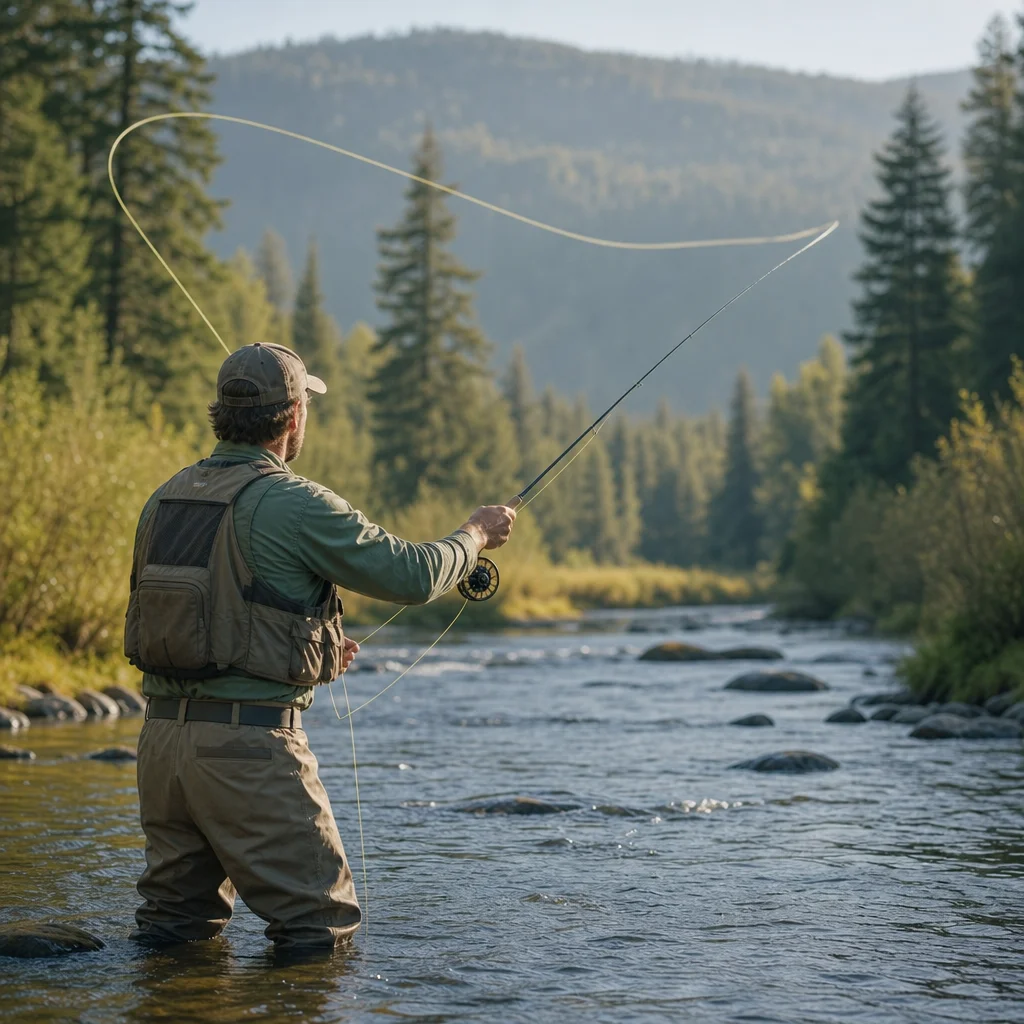
Fall fishing can be excellent: cooler water, active trout, and fewer anglers in some places. It’s also when a careful angler can do real damage without realizing it. Trout may be concentrated around clean gravel, and a single step can crush eggs hidden beneath the surface.
Protecting spawning areas isn’t about giving up fall fishing. It’s about recognizing which parts of the stream are doing important work and shifting your attention to water that can handle your presence. That small adjustment helps preserve the fishery’s long-term reliability—the kind of maintenance that matters even when nobody notices it.
Understand what a redd is
A redd is a spawning site where a trout or other salmonid has moved gravel to create a depression for eggs. The disturbed gravel, often called the tailspill, is usually lighter or cleaner than the surrounding streambed. Depending on water depth, light, recent flows, and the species involved, a redd may look like a pale oval, a shallow bowl, or a patch of freshly turned stones.
Redds can be surprisingly easy to miss. They may sit beneath a few inches of water, blend into a gravel bar, or appear as nothing more than a subtle change in texture. Later, algae and sediment can make the site less obvious even though eggs remain vulnerable beneath the surface.
A typical redd often includes two parts:
- The depression: The upstream section where eggs are deposited.
- The tailspill: The downstream mound of displaced gravel.
The fish may not be present when you see the redd. That doesn’t mean the area is unused. Spawning trout leave and return, and eggs or developing fry can remain in the gravel long after adult fish have moved away.
Don’t rely on color alone
Clean, bright gravel is a useful clue, but it isn’t proof. Recent high water can also scour a patch of streambed, and construction or other disturbance can produce bare gravel. Look for a combination of signs: an oval or fan-shaped arrangement, a shallow depression, recently turned stones, and suitable water nearby.
If you’re uncertain, treat a suspicious patch as sensitive. Walking around it costs little; walking through it may cost far more than you can see.
Learn when spawning is likely
“Fall spawning season” doesn’t describe one fixed calendar period across North American trout streams. Species, elevation, latitude, water temperature, flow conditions, and local populations all affect timing. Brown trout and brook trout commonly spawn during fall periods, while rainbow, cutthroat, and other trout populations may use different windows. Some streams also support salmon or other fish with overlapping spawning activity.
That variation is one reason local information matters more than a generic date range. A stream at high elevation may have a different season from one in a low valley. A population’s timing may also shift somewhat with weather and water conditions.
Check the stream’s spawning guidance: Before you wade or fish in fall, review the current regulations and access notices from the relevant state, provincial, tribal, federal, or local fisheries agency. Look specifically for seasonal closures, bait or tackle restrictions, designated non-wading areas, and rules that apply to the species and stretch you plan to fish.
Regulations are the minimum standard, not always the complete picture. A redd can be vulnerable even where wading remains legally permitted. If the water contains obvious spawning activity, use the most conservative option and stay out of the gravel.
Plan to fish around redds, not over them
The simplest protection is a route plan that keeps your feet off likely spawning areas. Before entering the stream, spend a few minutes looking from the bank. Check shallow riffles, gravel bars, tailouts, and the edges of pools. You may be able to identify a productive alternative before your boots ever get wet.
Good alternate water often includes:
- Deeper pool margins away from clean gravel
- Pocket water around stable rocks
- Undercut banks and woody cover, where permitted and safe to approach
- Runs with larger cobble or bedrock rather than loose spawning gravel
- Water downstream or upstream of the redd zone, reached without crossing it
Trout don’t occupy every part of a stream equally during fall. Some fish may be near spawning areas, but others use nearby holding water. A careful approach can still produce opportunities while leaving the most sensitive habitat alone.
Use the bank whenever you can
Bank-based fishing is often the best solution. It avoids disturbing the streambed, reduces the chance of slipping, and keeps you from pushing sediment into clean gravel. Move slowly, keep your profile low, and use longer casts or a reach-friendly setup when conditions allow.
If the bank is difficult to access, don’t assume wading is the only answer. Try a different section, fish the near bank first, or return during a different flow level. Changing locations is usually more efficient than forcing an approach that puts spawning habitat at risk.
If you must wade, choose your steps carefully
Some streams have broad, shallow sections where wading is unavoidable or specifically allowed. In that situation, identify a crossing route before stepping in. Look for bedrock, large embedded stones, or firm silt-free substrate well away from suspected redds. Avoid clean gravel, even if it appears empty.
Cross at the narrowest practical point, take as few steps as possible, and avoid moving upstream through long stretches of shallow spawning habitat. Keep your feet planted rather than shuffling; dragging boots can dislodge stones and release fine sediment. A wading staff can improve balance, but it doesn’t make sensitive gravel safe to cross.
Never use a redd as a convenient path to reach the other side. If you can’t find a low-impact route, turn around and choose another piece of water.
Make your crossing before the gravel starts: Pause at the bank, identify stable footing, and decide whether the route avoids all visible redds. If the only crossing requires stepping through clean spawning gravel, treat that as a reason to relocate rather than a challenge to solve.
Wading also carries ordinary fall-season hazards: cold water, slippery stones, changing flows, and reduced daylight. Wear appropriate flotation and traction equipment for the conditions, fish with a partner when practical, and don’t trade habitat protection for an unsafe crossing. Local conditions and current safety guidance should always control your decision.
Reduce disturbance beyond your footsteps
Redd protection includes more than avoiding direct contact. Other disturbances can affect spawning fish and incubating eggs.
Keep your approach quiet
Spawning trout can be wary, and repeated approaches may interrupt their behavior. Walk softly along the bank, avoid throwing rocks, and keep conversations and sudden movements controlled near active fish. You don’t need to treat the stream like a museum, but a little restraint is appropriate in a concentrated spawning area.
Control sediment
Fine sediment can settle into the spaces between gravel and reduce water flow around eggs. Avoid sliding down unstable banks, dragging gear through the channel, or disturbing exposed soil near the water. When you need to rest, choose a stable bank surface rather than a gravel bar beside the redd zone.
Keep dogs and gear out of the channel
Dogs can disturb fish and churn up the streambed quickly. Keep them under control and away from spawning areas. Nets, packs, and loose equipment should also stay off clean gravel. A dropped object or hurried retrieval can cause more disturbance than the original mistake.
Leave natural cover in place
Don’t rearrange rocks, remove branches, or build small diversion dams to improve a casting lane. Cover and flow structure help fish use the stream, and moving material can alter a nearby redd or increase erosion. The best fall modification is usually no modification.
Handle fish with extra care
If you hook a trout near a spawning area, keep the fight controlled and release the fish promptly. Use tackle strong enough to land the fish without unnecessary exhaustion, especially in cold water where recovery can still be difficult. Keep the trout in the water whenever possible, wet your hands before touching it, and avoid squeezing the body or placing fingers under the gill covers.
Move to a stable location before taking a photograph. Don’t carry a fish over gravel just to find a better background, and don’t lay it on the streambed. If the fish is deeply hooked or handling it would require prolonged exposure, cut the leader close to the hook when local rules and your equipment make that the least harmful option.
The exact handling requirements and permitted methods can vary by jurisdiction and species. Follow current local regulations, and remember that a legal release can still be unnecessarily rough if the fish is held out of water too long.
Common mistakes to avoid
Mistaking an empty patch for an abandoned redd
A redd doesn’t become safe simply because adult fish aren’t visible. Stay clear of likely spawning gravel throughout the relevant local season and for as long afterward as local fisheries guidance recommends.
Wading upstream without looking ahead
Anglers often focus on the next cast and discover a redd only after stepping into it. Scan several yards ahead whenever you move, especially through shallow tailouts and riffles.
Assuming deep water is automatically safe
Some spawning areas are deeper than expected, and trout can use a range of substrates. Depth alone isn’t a reliable reason to enter. Consider the bottom composition, shape, and local guidance together.
Treating conservation as someone else’s job
A protected area doesn’t help if anglers approach it from an unmarked side or avoid one redd while crossing another. Responsible decisions still matter on waters without signs, fences, or enforcement nearby.
A simple fall plan
Before the trip, check current rules, access notices, and local spawning information. Choose one or two sections where you can fish from the bank or wade without crossing likely redds. Bring gear that supports controlled releases and safe movement, including appropriate traction and a wading staff if conditions call for them.
At the stream, observe before entering. Mark the sensitive areas in your mental map, fish the margins and alternate water first, and relocate if the only route puts clean gravel under your boots. If you see another angler heading toward a redd, a quiet, specific reminder—“There’s a redd just below that crossing”—is more useful than a lecture.
Fall fishing can remain productive without treating every shallow patch as fair game. Protect the gravel, minimize sediment, handle fish carefully, and let the stream keep doing its quiet work. The trout you encounter next season depend on choices made when the water looks almost empty.