How to Handle Trout When the Air Temperature Is Mild but the Water Is Warm
Mild air doesn’t mean trout are safe to handle in warm water, and a quick photo isn’t always harmless. I’ll help you shorten fights, reduce handling, and recognize when the kindest choice is to stop fishing.
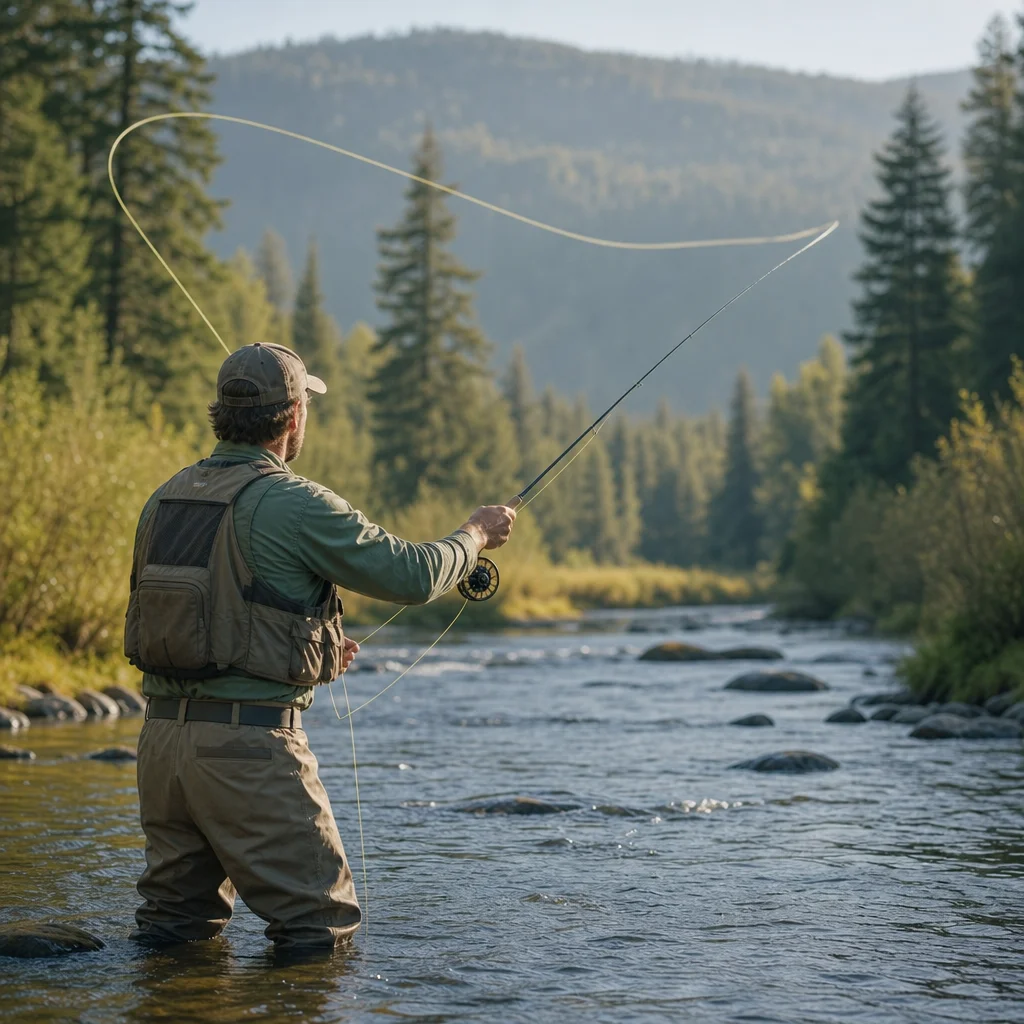
Mild air can make a stream feel comfortable while the water places trout under serious stress. That mismatch is where many otherwise careful anglers make mistakes: they judge conditions by their own comfort, then add a long fight, a dry hand, or several photos to an already difficult release.
The practical response is to treat water temperature as a decision point, not a footnote. Measure it, adjust your approach, and be ready to stop fishing when conditions are too warm for a reasonable chance of survival.
Why mild air can still mean risky water
Air and water temperatures change at different rates. A cool morning can follow a warm stretch of weather, leaving the stream warmer than expected. Conversely, a mild afternoon may feel pleasant while shallow water has already absorbed substantial heat.
Trout depend on cold, well-oxygenated water. As water warms, their available oxygen and ability to tolerate additional stress can change. A trout that looks lively in your hands may still be compromised after a hard fight and release.
Species, elevation, stream size, groundwater influence, recent weather, and time of day all matter. There isn’t one temperature that makes every trout fishery unsafe. The important point is that a mild air temperature doesn’t prove that water conditions are suitable.
Check the water before you start
Carry a reliable stream thermometer and measure the water before fishing, especially during warm weather. Take the reading in flowing water away from the bank, direct sunlight, and unusually shallow edges. If you move to another section or fish for several hours, check again; conditions can change with time and location.
Use the reading as one part of the decision rather than as permission to continue automatically. If the water is approaching the upper end of the range your local trout species can tolerate, reduce handling and consider ending the session. In warmer conditions, even a reading that seems only moderately high can become more concerning for large fish, heavily pressured populations, or streams with little shade and flow.
Check the local warm-water guidance: Before fishing, confirm the current rules, temperature advisories, seasonal closures, and species-specific recommendations for the stream you’re visiting. These can vary by jurisdiction and may change during a warm spell.
Local fish-and-wildlife agencies are the best source for current restrictions. Regulations may address fishing methods, bait, catch-and-release requirements, or temporary closures. Follow the most restrictive applicable rule, and don’t assume yesterday’s conditions or last year’s guidance still applies.
Decide whether the session should continue
The safest trout handling plan may be not to catch a trout at all. Consider stopping or changing plans when:
- Water temperatures are near or above the locally recommended limit for trout fishing.
- The stream is low, slow, unusually warm, or heavily exposed to sunlight.
- You’re targeting a particularly vulnerable species or population.
- Fish are already showing signs of heat stress, such as sluggish behavior, unusual positioning, or difficulty recovering after release.
- You can’t keep the fight short and the fish in the water.
Moving to a colder tributary or higher section may help, but don’t assume that every nearby stretch is cooler. Measure the new water if conditions are borderline. Fishing for warm-water species can be a better alternative if local rules and your equipment support it, but avoid switching species without understanding their handling needs as well.
Prepare to shorten the fight
Warm water makes efficient landing more important. A long fight is tiring in any season, but it can be especially damaging when trout are already coping with reduced oxygen or thermal stress.
Use tackle strong enough to bring the fish in promptly. That means choosing an appropriate rod, line, leader, and tippet rather than defaulting to the lightest setup that makes casting enjoyable. Delicate tackle may produce a satisfying battle, but it can also turn a controlled release into an exhausting one. Match your setup to the size of fish you expect and the current you’re fishing.
Set the hook firmly and keep steady pressure. Avoid unnecessarily soft pressure that allows a trout to run repeatedly or bury itself in heavy current. Guide the fish toward quieter water when possible, but don’t drag it through rocks, weeds, or shallow gravel.
Have your landing equipment ready before the fish is close. A knotless rubberized net can support the fish while reducing the need to squeeze it. Remove or loosen your camera, forceps, and other items before the final part of the fight so you aren’t searching through a vest while the trout is exhausting itself.
Keep the trout in the water
The best handling sequence is simple: wet your hands, keep the fish submerged, remove the hook quickly, and release it without lifting it unless a brief lift is genuinely necessary.
Avoid placing a trout on rocks, sand, grass, or a dry net. A wet hand is less damaging to the protective surface of its skin than a dry one, but wet hands don’t make prolonged handling safe. Support the fish gently around the body without squeezing the belly or gripping the gill covers.
Barbless hooks or hooks with flattened barbs usually come out more easily. If the hook is deeply embedded or removal would cause more damage, cutting the leader close to the hook may be less harmful than forcing it out. Whether you can leave a hook depends on the situation and local guidance, so carry appropriate tools and know the rules for the fishery.
Don’t place fingers inside the gill openings. The gills are delicate, and a secure-looking grip can cause serious damage. Keep the trout upright in the water and let the current flow gently across its gills; don’t push it back and forth.
Limit photos to a quick, planned moment
A photograph should be optional, not part of every release. In warm water, the safest photo is often no photo. If you do take one, prepare before lifting the trout:
- Ask a fishing partner to ready the camera.
- Keep the net and fish in the water while framing the shot.
- Wet your hands before touching the trout.
- Lift it only a few inches above the water.
- Support it horizontally and keep fingers away from the gills.
- Take one or two quick photographs.
- Return it to the water immediately.
Don't hold a trout out of the water while changing camera settings, choosing a background, or trying to get a better angle. Avoid squeezing the fish or holding it by the jaw. If the trout is struggling, rolling, or breathing rapidly, skip the photo and begin recovery at once.
A picture of the release, the water, or your fly can document the day without adding handling time. The fish doesn’t know whether the lighting was flattering.
Know when recovery is taking too long
Place the trout upright in calm, flowing water and support it until it can maintain its position. Keep the head pointed into a gentle current so oxygenated water passes over the gills. Don’t release the fish into fast turbulence where it has to fight immediately to avoid being swept away.
A healthy release should progress toward the trout holding itself upright and swimming away with control. If it remains weak, rolls onto its side, drifts, or repeatedly loses balance, continue supporting it in suitable water. Don’t move it through the water like a pump; that can force water where it shouldn’t go and adds unnecessary handling.
If the fish doesn’t recover promptly, treat that as information about the conditions, not merely bad luck. Stop fishing if multiple trout struggle, and consider reporting unusual fish behavior or mortality to the relevant fishery agency.
Common mistakes to prevent
Trusting your own comfort
You may feel fine in a light shirt while the trout is dealing with warm, oxygen-poor water. Use a thermometer and observe the fish rather than relying on the air temperature.
Using a light setup for too much sport
A long fight can be avoidable. Choose equipment that lets you land the fish efficiently and keep control in the current.
Photographing first and recovering later
The recovery period begins as soon as the trout reaches the net. Remove the hook, assess the fish, and release it before considering a photograph.
Fishing longer because the water “isn’t that warm”
Borderline conditions can worsen during the afternoon. Recheck the water and watch for signs that trout are taking longer to recover.
Assuming cold water is nearby
A shaded bank doesn’t guarantee a cold channel. Measure the water where you intend to fish, and respect any local closures or advisories.
A simple decision checklist
Before casting, ask:
- Have you measured the water rather than guessed from the air?
- Are current local rules and advisories clear?
- Can your tackle shorten the fight?
- Is your net, forceps, and camera ready before the fish reaches you?
- Can you keep the trout submerged and skip the photo if needed?
- Will you stop if fish show poor recovery?
If the answer to several of these questions is no, change the plan. Fish a colder period, choose a different location, practice casting away from trout, or end the session. In warm conditions, responsible angling is less about completing a catch and more about preventing a stressful one.