How to Handle Trout When the Air Temperature Is Hot
I’ll explain how to make sensible release decisions when hot air raises the risk of stressing trout, from reducing landing time to deciding when warm conditions mean you should fish for something else.
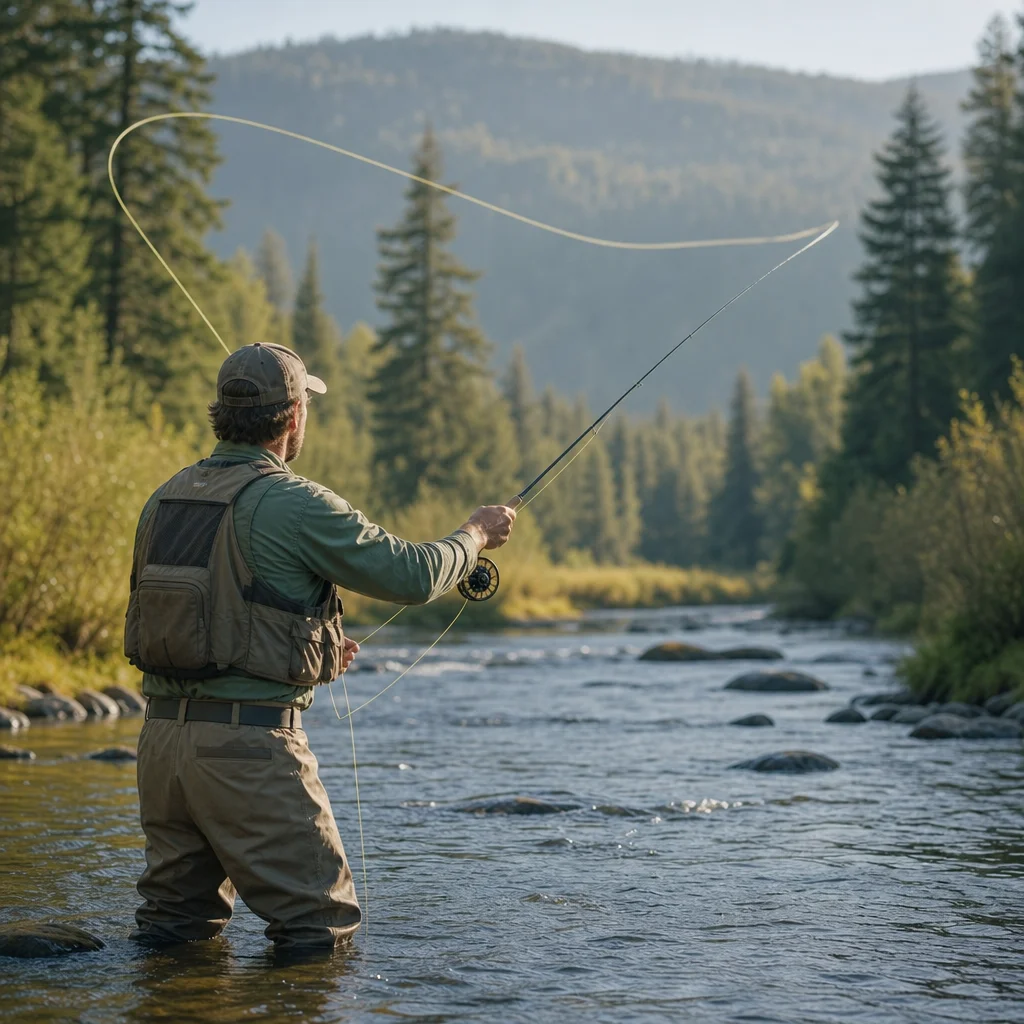
Hot air changes how you should approach trout fishing, but the air temperature alone doesn’t tell you whether a fishery is safe to target. Water temperature, flow, elevation, recent weather, and local regulations all matter. Your goal is to keep the fish in the water, minimize the fight, and recognize when the most responsible choice isn't to pursue trout at all.
Start with the water, not the thermometer in your vehicle
Air temperature is only an indirect clue. A cool mountain stream may remain suitable during a warm afternoon, while a shallow spring creek or low-flow tailwater can become stressful even when the air feels comfortable.
Check the water temperature before you begin and periodically during the day. A stream thermometer is more useful than guessing from the forecast, especially after several hot days. Pay attention to the trend as well as the reading: water that is warming steadily may become unsuitable later, even if early-morning conditions looked fine.
Temperature guidance varies by trout species, water body, season, and managing agency. Some fisheries publish voluntary thresholds; others use mandatory closures or restrictions during warm periods. Treat any published limit as a reason to stop targeting trout, not as a personal challenge to fish right up to the number.
Check the day’s trout guidance: Before fishing, review the current rules and temperature recommendations for the specific stream or river. Warm-weather restrictions can change by location and season, and general advice can't replace local guidance.
If you don’t have a thermometer, use caution when conditions are obviously harsh: low flows, hot weather lasting several days, unusually warm shallows, and trout showing signs of distress are all reasons to shorten the outing or choose another target.
The minimalist hot-weather release workflow
You don’t need a complicated system. A few habits make the largest difference.
1. Prepare before the first cast
Set up your net, forceps, nippers, and camera so you won’t need to search for them while a trout is attached. Keep the net within easy reach and use a rubberized, knotless net when possible. Wet the net before landing the fish.
Pinch down barbs where regulations allow it. Use tackle appropriate for the fish and current so you can bring the trout in promptly. Extremely light tackle may feel sporting, but a prolonged fight can exhaust a trout more severely in warm water.
If you expect to take a photograph, decide in advance where you’ll stand and how you’ll hold the fish. The best photograph is the one that adds only a few seconds to the release.
2. Fight the fish efficiently
Keep steady pressure and guide the trout away from heavy current, rocks, and tangled banks. Avoid deliberately extending the fight for the sake of a better landing or a more dramatic run.
A strong rod, properly set drag, and suitable tippet help you control the fish without horsing it through the water. The right balance depends on the species, fly size, cover, and local tackle norms, but warm conditions favor an efficient landing over an ultra-light presentation.
Don't chase a fish downstream for a long distance if doing so will prolong the fight or force you into unsafe footing. Move carefully, keep your body stable, and land the trout in water where you can handle it without dropping it onto gravel or vegetation.
3. Keep the trout submerged during landing
Leave the trout in the water while you remove the hook whenever possible. A net supports the fish and lets you work without lifting it into the air.
Wet your hands before touching the trout. Avoid squeezing its body, touching the gills, or gripping the tail tightly. If you must control the fish, support it gently with one wet hand under the body and keep the other hand away from the gill covers.
A trout doesn't need to be held out of the water for routine unhooking. If the fly is easy to reach, remove it while the fish remains partly supported in the net. If it is deeply lodged or difficult to remove, cut the tippet close to the fly rather than repeatedly manipulating the fish. The hook may be safer to leave for the trout than the extra handling required to extract it.
4. Skip or shorten the photograph
In hot conditions, photography is optional. If the fish is lively and the hook comes out immediately, you may take a quick picture with the trout barely above the water. Keep the fish over the net or water, hold it horizontally, and return it as soon as the camera has captured the image.
Avoid repeated takes, elaborate poses, and long-distance walks to a scenic background. Don’t place a trout on dry ground, rocks, boat floors, or towels. Those surfaces can remove its protective slime and cause injuries that aren’t obvious at the time.
If the trout is tired, bleeding, struggling to stay upright, or showing a slow response, forget the photograph. Its recovery matters more than documenting the catch.
Revive the fish without turning recovery into another struggle
Once the hook is out, keep the trout facing into gentle, steady current and support it until it can maintain its position. Move it slightly to cleaner, oxygenated water if the immediate area is stagnant, but don’t push it back and forth. That motion can damage delicate gill tissue.
Watch for a firm, coordinated response: the trout should hold itself upright and swim away with purpose. If it drifts, rolls, or repeatedly loses balance, continue supporting it in a suitable current. Release it only when it can swim normally.
Recovery time isn't a test of patience or proof that you’ve done enough. If the fish can't regain balance after careful support, the conditions may be too stressful for a successful release. Handle it as little as possible and follow local fish-handling guidance for distressed or dead fish.
Know when not to target trout
The safest hot-weather handling decision often happens before you make a cast. Consider stopping or changing plans when:
- Water temperatures are at or above a locally recommended limit.
- The stream is unusually low, slow, or warm in shallow areas.
- Trout are visibly stressed, lethargic, or concentrated in small pockets of cold water.
- You expect to fish through the warmest part of the afternoon.
- You’re catching fish too quickly to give each one careful attention.
- A regulation, closure, or voluntary conservation request advises against targeting trout.
Switching to warm-water species, fishing a larger and colder body of water where permitted, or waiting for cooler conditions can be the better choice. A scenic trout stream will still be there when the weather improves; the fish may not have the same margin for error during a heat event.
Common hot-weather mistakes to avoid
Using air temperature as a safety limit
A hot forecast should prompt you to check the water, not provide a complete answer. Conversely, a cool morning doesn’t guarantee safe conditions after several warm days.
Carrying a trout far from the water
Even a short walk can turn a quick release into extended air exposure. Bring the net to the fish and handle it at the water’s edge.
Fishing too light for the situation
If the fish repeatedly reaches heavy current or takes several minutes to land, your setup may be too light for the conditions. Adjust before the next fish rather than accepting another exhausting fight.
Taking several photographs
A single quick image is plenty. If the trout isn’t calm and upright, put the camera away.
Continuing after conditions deteriorate
Warm water, falling flows, and tired fish are signals to stop, not obstacles to work around. Responsible fishing includes ending the session before every release becomes a high-risk event.
A simple decision checklist
Before casting, ask:
- Have I checked the current water temperature and local rules?
- Can I land a trout quickly with my present tackle?
- Is my net ready and my release tool accessible?
- Can I keep the fish in the water for unhooking?
- Will I skip the photograph if the trout appears stressed?
- Do I have a clear alternative if conditions become unsuitable?
When the answers are yes, keep the process brief: land efficiently, unhook in the water, photograph only when appropriate, and support the trout until it swims strongly. When the water is too warm or the fishery advises against targeting trout, the minimalist choice is also the most protective one—put the rod away and come back when the conditions give the fish a better chance.