What to Do When a Trout Is Bleeding After Release
Bleeding after release can make a routine trout landing feel urgent. I’ll explain how hook location, handling time, and local rules shape the least harmful response, including when removing a hook helps and when cutting the line is safer.
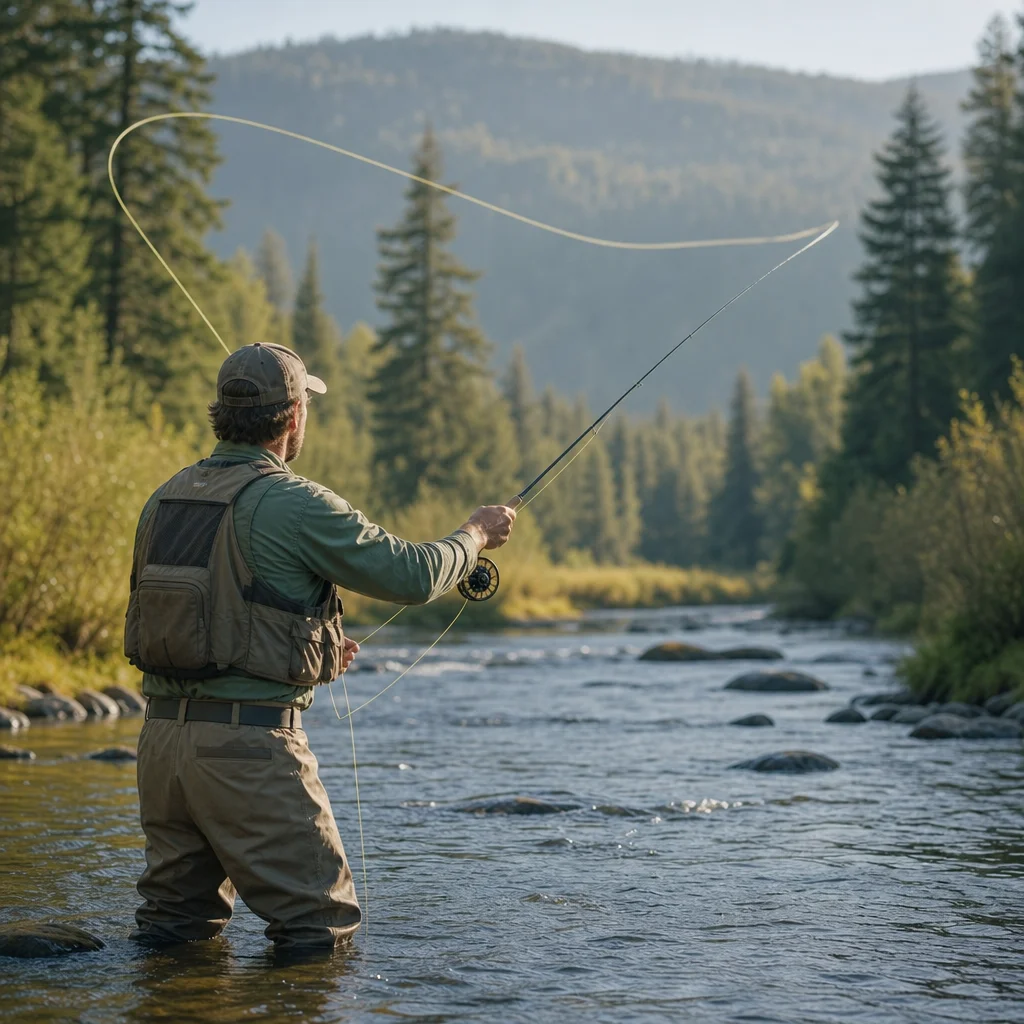
A bleeding trout creates a difficult decision: should you try to remove the hook, keep the fish out of the water to inspect it, or release it immediately? The best response depends mostly on where the hook is lodged and how much additional handling the fish will tolerate.
The goal isn’t to make the fish look perfect before it swims away. It’s to reduce further injury, keep handling brief, and give the trout the best possible chance of recovering.
Start by limiting additional stress
Keep the trout in the water whenever you can. If you need a quick look, support it gently with wet hands and lift it only for the few seconds required to identify the hook location. Avoid squeezing the body, touching the gills, or laying the fish on a dry surface.
Before reaching for forceps, make a quick assessment:
- Is the blood coming from the lip or jaw, or from the mouth and gill area?
- Is the hook visible and easy to reach?
- Is the fish upright and responsive?
- Would removing the hook require twisting, tearing, or holding the trout out of the water for an extended time?
A small amount of blood from a superficial mouth-hooking can look alarming without necessarily indicating a fatal injury. Bleeding from the gills, throat, or an area near the eye is more serious. It also changes the handling decision: extended attempts to remove a deeply embedded hook can cause more damage than cutting the line and releasing the fish promptly.
If the hook is in the lip or outer mouth
A hook that is plainly visible in the lip is usually the most manageable situation. Use hemostats, forceps, or a hook-removal tool that gives you a firm grip without requiring you to pin the trout down.
Remove it with the fewest movements
- Keep the fish partly or fully submerged.
- Stabilize the hook shank rather than pulling on the leader.
- Back the hook out along the path it entered.
- If it is barbed, avoid dragging the barb through tissue. A tool can help flatten the barb or work the hook backward with less tearing.
- Return the trout to a normal swimming position as soon as the hook is free.
Don’t repeatedly reposition the fish because the first attempt was awkward. If the hook won’t come out with light, controlled pressure, reassess whether continuing is worthwhile. A clean removal is preferable when it is quick and uncomplicated; a prolonged struggle isn't.
For a hook in the corner of the mouth, cutting the hook or leader may sometimes be a better choice than forcing it through damaged tissue. Whether that is permitted, and what to do with the fish afterward, can depend on the fishery’s regulations.
If the hook is deep in the throat or gills
Don't reach blindly into the trout’s throat or gill chamber. Gills are delicate, highly vascular structures, and probing with fingers or forceps can create a larger injury. A hook that is lodged beyond easy reach is usually a poor candidate for removal at the water.
If the hook is deeply embedded but not visibly damaging the gills, cutting the leader as close to the hook as you safely can may cause less immediate trauma than trying to retrieve it. The remaining hook may eventually corrode or be shed, but that outcome isn’t guaranteed, and the fish may still be seriously injured. This is a harm-reduction choice, not a claim that leaving a hook is harmless.
If the hook is visibly caught in the gills, bleeding heavily, or attached to tissue in the throat, minimize handling and follow the rules and conservation guidance for that water. Some fisheries have specific procedures for deeply hooked fish, while others prohibit keeping or transporting a trout that would otherwise be released.
Check the local release rules: Regulations differ by species, water, season, and jurisdiction. Before fishing, confirm the current North American rules for deeply hooked or bleeding trout, permitted tackle, and whether a fish in this condition must be retained, reported, or released immediately.
When cutting the line is the better trade-off
Anglers often feel they have failed if they leave a hook in a fish. In practice, the choice is between two possible injuries:
- Removing the hook may eliminate a foreign object but can tear tissue if the hook is deep, barbed, or difficult to access.
- Cutting the line minimizes handling time and avoids additional tearing, but leaves the hook in place and doesn’t remove the risk of later complications.
Choose removal when the hook is visible, accessible, and can be backed out cleanly. Choose the cut-line approach when removal would involve digging, repeated attempts, or contact with the gills. If the hook is attached to a long length of line, cut the line as close to the hook as practical so the trout is less likely to become entangled.
Don’t yank on the line to test whether the hook is loose. That can turn a small puncture into a larger wound.
Help the trout recover without overworking it
Once the hook is removed—or the line is cut—support the trout upright in the water. In moving water, face it into the current so water flows naturally over the gills. Don’t push the fish back and forth; that can force water through the gills in an unnatural direction and add stress.
In still water, hold the trout gently in a normal swimming position and allow it to regain strength. Watch for steady gill movement and an ability to remain upright. When the fish tries to swim away with control, let it go. A trout that is ready to leave doesn’t benefit from being held longer for reassurance.
If it rolls over, can't stay upright, or drifts helplessly, continue support for a short time in suitable water. Move it away from immediate hazards such as shallow rocks, heavy turbulence, or a bank where birds and other predators can reach it. If it doesn’t recover, local rules may determine what you should do next.
What bleeding can—and can’t—tell you
Blood alone doesn’t provide a reliable prediction of survival. A trout can bleed from a relatively minor mouth injury and recover, while a fish with little visible blood may have severe internal or gill damage. Color, volume, and whether bleeding slows are useful observations, but they shouldn’t encourage a long inspection.
The most important warning signs are usually a combination of factors:
- bleeding from the gills or deep throat;
- loss of balance or inability to swim normally;
- severe damage around the eye, jaw, or head;
- prolonged time out of water;
- repeated failed attempts to remove the hook; or
- warm conditions that make recovery more difficult.
These signs call for less manipulation, not more. The urge to “fix” every visible problem can lead to the very handling that worsens it.
Improve the odds on the next fish
You can reduce the chance of serious bleeding before a trout is ever hooked:
Use tackle that shortens the fight
Choose tackle appropriate for the stream, fly size, and fish you’re targeting. Landing a trout quickly but under control generally causes less stress than an extended fight on gear that is too light. Avoid deliberately playing a fish to exhaustion.
Keep tools within reach
Forceps, nippers, a hook-removal tool, and a small net with fish-friendly mesh make quick releases easier. Keep them where you can reach them without carrying the trout onto shore.
Consider barbless hooks
Barbless hooks are often easier to remove with less tissue damage. They can also come free more readily during the fight, so steady pressure and good line control matter. Whether barbs are permitted or required depends on the water you’re fishing.
Handle the fish before you need to
Wet your hands, clear a safe landing spot, and decide where the tool is before lifting the trout. If you’re taking a photograph, keep the fish’s time out of water shorter than the time it takes to pose for it. The best image is never worth a prolonged recovery attempt.
A simple decision sequence
When a released trout is bleeding, use this order of operations:
- Keep it in the water and identify the source of the blood.
- Remove a visible, superficial hook if it can be done quickly and cleanly.
- Don’t probe the throat or gills.
- If the hook is deep, cut the line close to it when that is the less traumatic option and allowed by local rules.
- Support the trout upright until it can swim normally.
- Follow the current regulations for any fish that can't recover or must be handled under special conservation rules.
You can’t eliminate every risk after a fish is hooked. You can control the next few decisions: less time out of water, fewer attempts, gentler tools, and no blind digging. Those choices usually matter more than achieving a perfectly clean release.