How to Remove a Trout From a Net Without Scraping Its Scales
I’ll clarify how net material, water depth, hand placement, and release technique work together to reduce abrasion and scale loss when you land and unhook a trout. You’ll also learn when a different net or approach is the better trade-off.
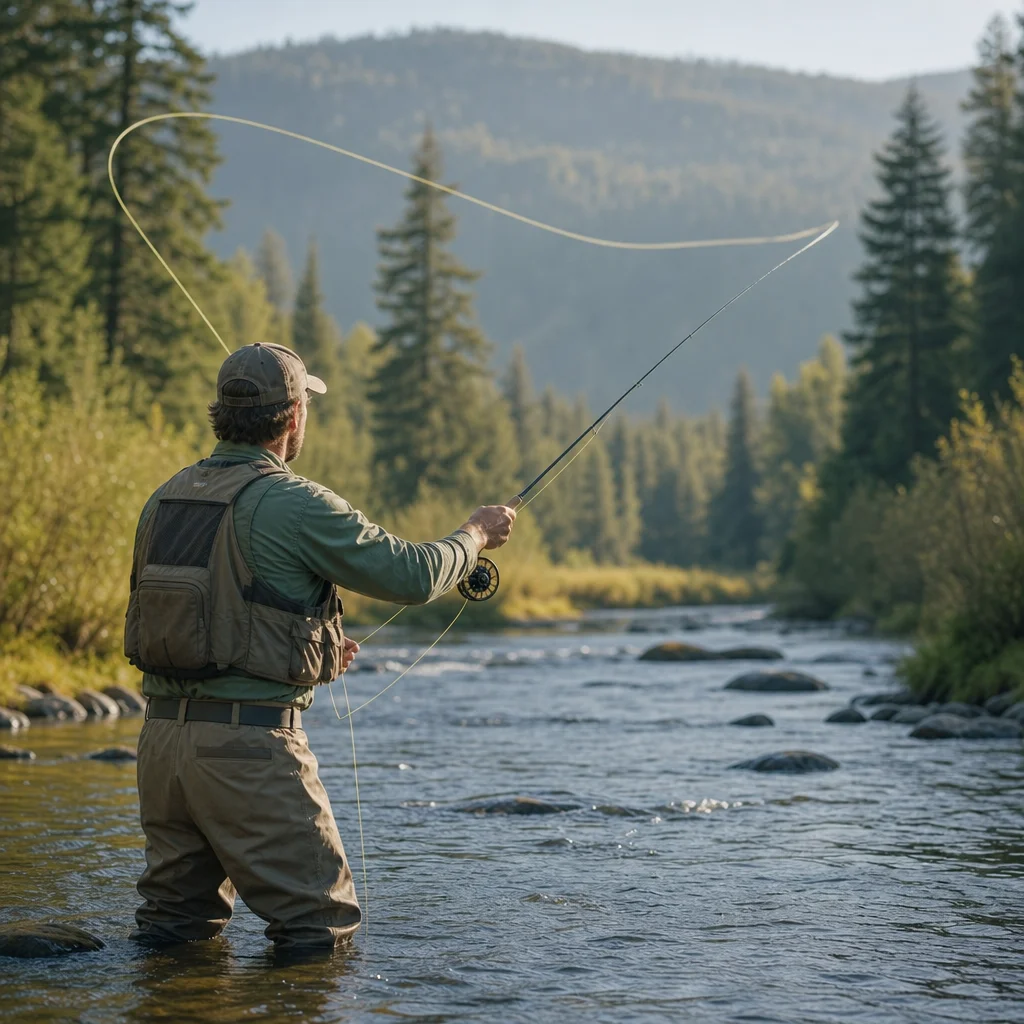
Landing a trout is only half the job. The next few seconds—when the fish is resting in the net, the hook is still attached, and you’re deciding whether to lift it—can determine whether you release it in good condition or add avoidable stress and abrasion.
The safest approach is usually simple: keep the trout in the water, support it with wet hands, remove the hook without dragging the fish across the mesh, and let it swim away under its own power. The details matter, though, especially when you’re choosing between net materials, fishing in shallow water, or dealing with a lively fish and a stubborn hook.
Choose a net that reduces abrasion
Rubber and rubber-coated mesh
A soft, knotless rubber net is generally the most forgiving option for catch-and-release trout fishing. Its smooth surface is less likely to catch fins, split delicate tissue, or scrape away protective mucus and scales as the fish moves inside the net. Rubber mesh also makes many hooks easier to remove because the hook is less likely to become deeply tangled in the bag.
The trade-off is weight and bulk. Rubber nets can be heavier than fine nylon nets, and a deep rubber bag may be awkward to carry while wading. Cold weather can also make some materials less flexible. A compact, shallow rubber net is often a sensible compromise for smaller trout and short landing distances.
Knotless nylon and other soft meshes
Knotless nylon can work well when it’s soft, fine, and in good condition. It’s usually light, dries quickly, and may be easier to carry all day. However, even knotless mesh can create more friction than smooth rubber if the fish thrashes against it, and worn or stiff netting deserves extra caution.
Traditional knotted mesh is the least desirable choice for delicate trout when gentler alternatives are available. Knots can catch scales, fins, and hooks. That doesn’t mean every fish landed in a knotted net will be harmed, but it gives you less margin for error during a rushed landing.
Check the net before you wade in: Inspect the mesh for knots, rough patches, hardened rubber, and exposed frame edges. Replace or repair anything that could snag a fin or hook before the next outing.
Match the bag to the fish and water
A net with a broad opening and a shallow-to-moderate bag is often easier to manage than an oversized net. Very deep bags give a fish room to twist and can make hook removal more difficult. A tiny net, on the other hand, may force the trout’s body to bend or leave its fins pressing against the frame.
The best size is large enough to contain the fish without folding it tightly and small enough for you to control with one hand. Your fishing environment matters, too. A long handle may help from a steep bank, while a short, compact net is easier to keep close when wading.
Keep the trout in enough water
Water depth is one of the most important parts of a low-abrasion landing. If the net is floating in only a thin film of water over gravel, the trout can press against the bottom of the bag and grind its scales against the mesh or stones. If the water is too deep for you to control the net, you may end up lifting the fish higher than necessary.
Aim for water deep enough to cushion the fish and keep its body supported, but shallow enough that you can reach the hook without lifting the trout out. The net bag should remain submerged whenever practical. If you’re standing in moving water, position yourself so the current doesn’t fill the bag and pin the trout against the mesh.
In shallow water
Look for a slightly deeper edge, a calm pocket, or the soft side of a current seam before bringing the fish into the net. Don’t drag the trout across exposed gravel to reach better water. If no suitable pocket is available, reduce the fish’s time in the net and keep its body as level as possible.
In very shallow water, a net can sometimes create more contact than it prevents. A controlled release at the water’s edge may be preferable if the fish is small, the hook is easy to remove, and you can keep the trout fully supported. That approach becomes less suitable when the fish is large, energetic, deeply hooked, or likely to flop onto the bank.
In deeper or faster water
Use the net close to your body and keep the bag downstream or slightly to the side, rather than allowing the current to pull the fish away from you. Once the trout is contained, move to softer water if doing so won’t prolong the fight or force you to drag the fish over the bottom.
Don’t chase the fish around with the net. Guide its head toward the opening when it’s tired enough to come within range, then lift the net smoothly from below. Repeated misses extend the fight and often cause the fish to strike the frame or mesh harder than it would during one controlled scoop.
Keep the fish supported while you work
Wet your hands before touching the trout. Dry hands can remove protective surface mucus, while rough gloves may catch on scales or fins. If you use gloves for warmth or personal protection, choose a smooth, fish-friendly pair and wet them first.
Keep the trout in the net and in the water while you remove the hook whenever possible. Place one hand under the fish’s midsection, supporting its weight without squeezing. Your other hand can control the net, the leader, or the hook-removal tool. Avoid gripping the gill covers, inserting fingers into the gill cavity, or holding the fish by the tail alone.
A good hand position supports rather than restrains. The fish should remain upright, with its belly resting on your palm or fingers and its head pointed into gentle, oxygenated flow if the water is moving. Don’t press the trout into the bottom of the net while trying to stop it from moving.
Control the net instead of the trout
If the trout is thrashing, keep the net submerged and pause. Many fish settle after a moment when the mesh is supported and the current isn’t pushing them around. Holding the frame or handle steady is usually better than tightening your grip on the fish.
For a barbless hook or an easily accessible hook, you may be able to remove it while the trout remains entirely in the net. Use forceps or hemostats to back the hook out along the path it entered. Avoid twisting the hook through tissue or pulling the leader sideways, which can increase injury and make the fish thrash.
If the hook is deeply embedded, near the eye or gills, or difficult to remove without prolonged handling, the most responsible option may be to cut the line as close to the hook as possible rather than continuing to work at it. Whether leaving a hook is acceptable depends on the situation, local rules, hook type, and the fish’s condition; current regulations and local fisheries guidance should govern that decision.
Confirm the local release rules: Regulations can differ by water, species, season, hook type, and whether bait is permitted. Check the current rules for the specific stream or lake before fishing, and follow any requirements for barbless hooks, artificial lures, or handling protected trout.
Release the trout without dragging it through the mesh
Once the hook is out, don’t pull the fish across the bottom of the net. Lower the frame farther into the water, open the bag, and let the trout move forward under your hand. If you need to guide it, support the body and release your hold as soon as it maintains its position.
In gentle current, face the trout upstream and hold it lightly in place. This allows water to pass naturally over the gills, but it doesn’t mean you should push the fish back and forth. The old practice of moving a fish rapidly through the water can force water in the wrong direction and add stress.
Wait until the trout can hold itself upright and respond with a purposeful kick. A fish that swims away immediately is ready; one that rolls, drifts, or can't maintain position may need more support in calm, well-oxygenated water. Keep the recovery period brief and avoid repeatedly handling the fish to check it.
When a quick photo is part of the plan
If you intend to take a photograph, prepare the camera before the trout is in the net. Keep the fish in the water while the other person gets ready, and lift it only briefly, with both hands supporting the body. Hold it over the water rather than over rocks, and return it to the water before it begins to struggle.
The lower the fish stays and the shorter the exposure, the smaller the chance of a damaging drop or prolonged handling. If the trout is exhausted or the hook removal was difficult, skip the photograph.
Common mistakes that increase scale damage
Letting the fish thrash in a dry net
A dry bag creates more friction and gives the trout no cushioning. Wet the net before fishing and keep it submerged during the landing and release.
Lifting the fish by the net
A fish hanging in a net can press against the mesh under its own weight. Use the net to contain the trout, not as a sling for carrying it to shore or holding it in the air.
Chasing the fish with the frame
A fast, poorly timed scoop can strike the fish or push it into the shallow bottom. Guide the trout headfirst into the net when it has slowed, then lift from underneath.
Pinching too hard
A firm grip may feel like control, but excessive pressure can injure internal organs or remove mucus and scales. Support the fish’s weight with an open hand and let the submerged net provide containment.
Using a net that is dirty or damaged
Old hooks, grit, dried slime, and rough repairs can turn a suitable net into an abrasive one. Rinse it with clean water after fishing, allow it to dry as appropriate for the material, and inspect it before the next trip.
A practical landing sequence
- Prepare before the fish arrives. Wet your hands, loosen the net from its storage position, and have forceps within reach.
- Guide rather than chase. Keep the trout’s head pointed toward the net and avoid dragging it through shallow gravel.
- Scoop from below. Contain the fish in one smooth motion, with the bag submerged.
- Move to calmer water if practical. Don’t prolong the fight just to find a perfect landing spot.
- Support the fish in the net. Use a wet hand under the midsection and avoid the gill covers.
- Remove the hook along its entry path. If removal becomes difficult or risky, stop and reassess rather than repeatedly tearing at the tissue.
- Lower and open the net. Let the trout regain balance before releasing your supporting hand.
The central trade-off is straightforward: a net can reduce the risk of dropping or dragging a trout, but only if the mesh is soft, the bag stays wet, and you control the fish without lifting or rubbing it unnecessarily. Choose the gentlest net that suits your water, keep the trout supported in the water, and make every step after the landing deliberate. Those habits reduce abrasion while also making the release quicker and more reliable.