What to Do With Line and Tippet After a Break-Off
I’ll clarify what to do with loose fly line, leader, and tippet after a break-off, from recovering material safely to disposing of what you can’t retrieve. You’ll also get a quick cleanup routine that reduces wildlife-entanglement risks without turning a missed trout into a shoreline excavation.
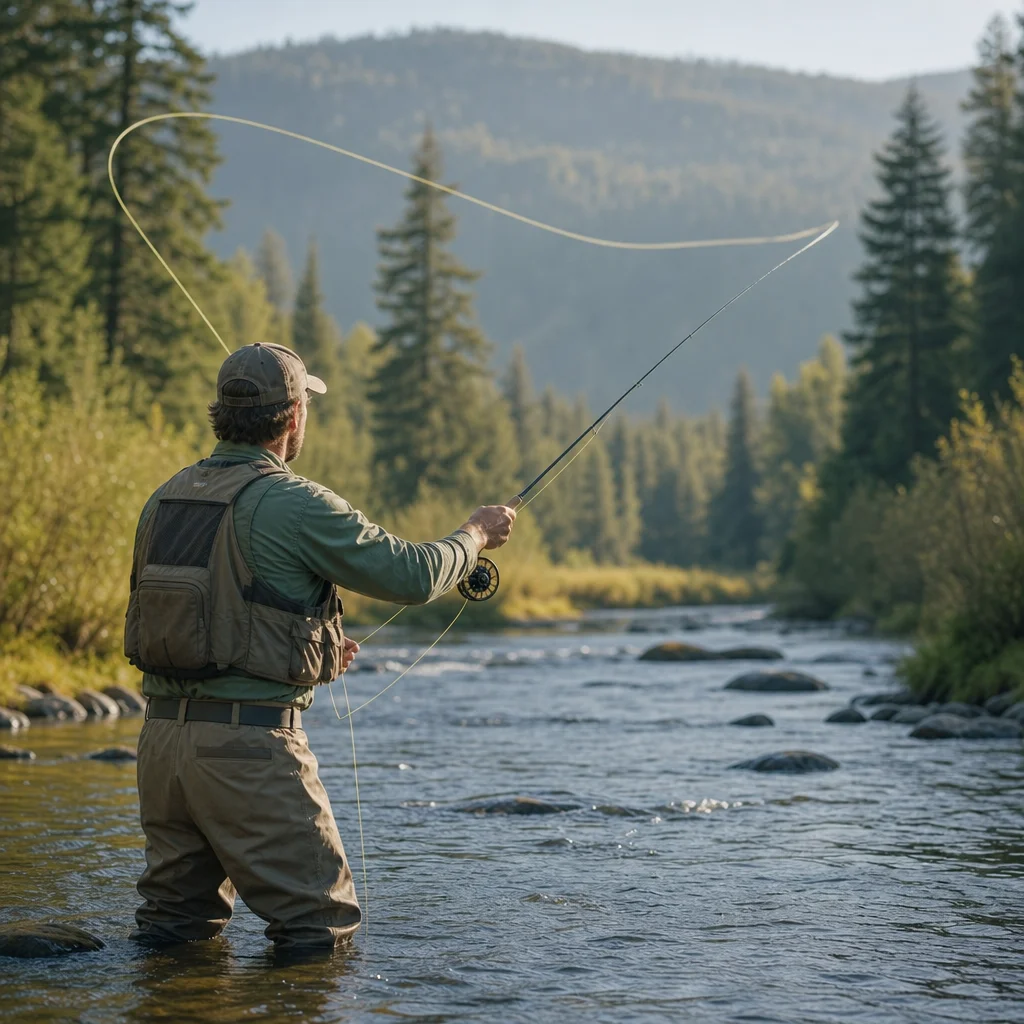
A break-off usually creates two problems: the fish may still be carrying part of your rig, and you may leave line or tippet behind on the bank, in streamside vegetation, or underwater. You can’t always solve the first problem, but you can prevent the second from becoming a lasting hazard.
The right response is simple: pause, assess where the loose material went, recover what you can without putting yourself at risk, and dispose of it properly. A short cleanup habit takes less time than tying on a new rig.
Start by locating the loose material
After the line parts, keep your eyes on the area for a few seconds. Look for the leader or tippet lying across the surface, caught in grass, wrapped around a branch, or trailing from the tip of your rod. Bright or reflective material can be easier to spot than clear fluorocarbon, so scan slowly rather than assuming it disappeared.
If the break occurred while casting, check the space behind and beside you. A failed knot or damaged tippet can send a length of material onto the bank. If the rig broke off near a snag, inspect the snag only from a safe position. The loose end may be easy to collect, but it may also be under tension or connected to a submerged branch.
Gather the line into a loose coil as you retrieve it. Don’t wind it around your fingers, rod tip, or clothing. Fine monofilament and fluorocarbon can tighten unexpectedly, and a small loop can become difficult to remove once it catches on brush.
Recover line only when it’s safe
Most shore-based recovery is straightforward. Pick up line that’s lying on dry ground, floating within easy reach, or caught in low vegetation you can approach without leaning over unstable footing.
Use more caution around moving water, deep channels, slippery rocks, steep banks, and strainers. A few feet of tippet isn’t worth a fall. If retrieving it would require wading farther, climbing, reaching under a log, or stepping onto an unstable rock, cut or release your connection from a safe position if possible and leave the inaccessible section alone.
Never wrap line around your hand to pull against a snag. A sudden release can cause the line or terminal tackle to snap back. Instead, point the rod toward the snag and use a controlled approach appropriate to your setup. If the material won’t come free without significant force, sacrifice the rig rather than your rod, your balance, or your skin.
Check the local cleanup rules: If you’re fishing in a managed area, confirm whether its regulations or posted guidance specify disposal locations, monofilament collection, or restrictions on retrieving material from the water. Access rules and waste facilities vary by site, and current local instructions take priority.
Separate what you can actually dispose of
Once the material is in your hands, separate it from hooks, swivels, split shot, indicators, weeds, and other debris. This makes the next step safer and prevents a tangled handful from going straight into a pocket or vehicle compartment.
Monofilament and fluorocarbon
Put loose monofilament and fluorocarbon into a secure container or bag. Don’t leave short pieces in a wader pocket, on a bench, or in the bottom of a tackle box where they can later fall out. A small zip-top bag, empty tippet spool, or dedicated waste container works well.
Some tackle shops, conservation groups, and fishing access points accept monofilament through collection programs. These programs may have specific rules about what they take and how clean the material must be. If a collection point is available and accepts your material, use it. Otherwise, place the line in ordinary household waste according to local requirements.
Don’t put fishing line in a household recycling bin unless your local program specifically accepts it. Thin line can wrap around sorting equipment, and many curbside systems aren’t designed to process it.
Braided line and fly line
Braided backing, running line, and fly line also belong in a secure container when they’re no longer usable. Their thicker construction doesn’t make them harmless to wildlife; loops can still catch feet, wings, fins, or antlers.
Some manufacturers or specialty shops offer take-back or recycling options for particular products. Check the product or program requirements before combining different types of line. If there’s no suitable collection route, dispose of the material as instructed by your local waste service.
Hooks and terminal tackle
Remove hooks from any recovered leader if you can do so safely. Use forceps or pliers rather than your fingers, especially if the hook is obscured by weeds or tangled line. Cover loose hooks before putting them in a pocket, pack, or trash bag.
Weights, swivels, beads, and indicators should be separated when practical. If a weight is damaged, corroded, or made from a material subject to local restrictions, follow the applicable disposal guidance rather than leaving it on the bank.
What if the line is still attached to a fish?
A break-off may leave a fly, hook, or length of leader in a fish’s mouth or around its body. Don’t chase or repeatedly handle the fish in an attempt to recover tackle. Extra handling can cause more harm than the lost rig, particularly if the fish is already exhausted.
If you can reach the fish quickly and safely while keeping it in the water, remove the material with appropriate tools. Support the fish, avoid squeezing it, and don’t drag it onto the bank for a better look. If the hook is deeply embedded, difficult to access, or connected to a fish that can’t be handled safely, avoid forcing it out. The sensible choice may be to cut the line as close to the hook as you safely can and release the fish promptly.
Use local fisheries guidance for species-specific handling advice. Hook type, water temperature, current, and the location of the hook all affect what’s safest. Regulations may also address tackle, bait, and release methods, so current local rules matter more than a general rule of thumb.
Prevent loose line from becoming a wildlife hazard
Wildlife encounters with fishing line are most likely to become serious when material is left in places animals travel, feed, or nest. Before walking away, inspect the immediate area for:
- Line stretched between rocks, branches, and grass
- Loops hanging from shrubs or low limbs
- Tippet lying across the water’s edge
- Discarded leader sections near picnic spots or access paths
- Line tangled with vegetation, feathers, or other debris
Pay special attention to the area where you changed flies or rebuilt your leader, not just the location of the break-off. A short piece of clear tippet can be nearly invisible in shade, and several small pieces create more opportunities for entanglement.
If line is wrapped around vegetation, remove it completely when you can do so without damaging the plant or putting yourself in danger. Cut away knots instead of pulling hard enough to uproot a shrub or destabilize a bank. If you find a large, inaccessible tangle or material attached to a nest, carcass, or animal, contact the relevant land manager or wildlife authority rather than attempting a risky rescue yourself.
Build a 30-second break-off routine
A repeatable routine is more useful than relying on memory. After a break-off:
- Stop and look. Identify where the loose end, rig, or leader went.
- Check your surroundings. Scan the bank, vegetation, water surface, and area behind you.
- Recover accessible material. Gather it without wrapping it around your hand.
- Avoid unsafe retrieval. Don’t wade, climb, or reach into hazardous water for a small piece of line.
- Secure the waste. Put line and small tackle in a dedicated container.
- Inspect for more scraps. Check your knot-tying area and the ground around your feet.
- Replace the damaged section. Examine the remaining leader and tippet before tying on a new fly.
Keep a small waste container in the same pocket or pack compartment every trip. A rigid container is useful for hooks and weights; a sealable bag works for limp line. The important part is consistency: waste should have a planned destination before you start fishing.
Prevent the next break-off
Cleanup is the immediate responsibility, but a few maintenance habits reduce both lost tackle and abandoned material.
Inspect the final section of tippet after contact with rocks, wood, heavy weeds, or a fish’s teeth. Run the material between your fingers and look for roughness, flattened sections, clouding, or nicks. Replace damaged tippet rather than waiting for the next cast.
Check knots after changing flies. A poorly seated knot, an over-tightened knot, or a knot tied in damaged material can fail when you need it most. Moisten knots where appropriate, tighten them carefully, and trim tag ends close enough to avoid unnecessary snagging while leaving enough material for the knot type you use.
Watch your casting space. A fly caught in a branch often leads to a forceful pull, and a forceful pull can break the weakest section of the system. Move to a better angle, point the rod toward the snag, and accept the loss when recovery becomes unsafe or damaging.
Practical next steps
Put a dedicated line-waste container in your fishing pack before your next outing. When a rig breaks off, spend half a minute locating and collecting accessible material, then check the current rules or posted guidance for the place where you’re fishing. Recover what’s safe to recover, secure what you can’t reuse, and leave the water with no loose line behind.