How to Avoid Spreading Invasive Species Between Trout Waters
Mud, damp felt, and hidden water can carry trouble from one trout stream to the next. I’ll walk you through a clean, drain, and dry routine for waders, boots, nets, boats, and the awkward moments when your gear can’t dry completely.
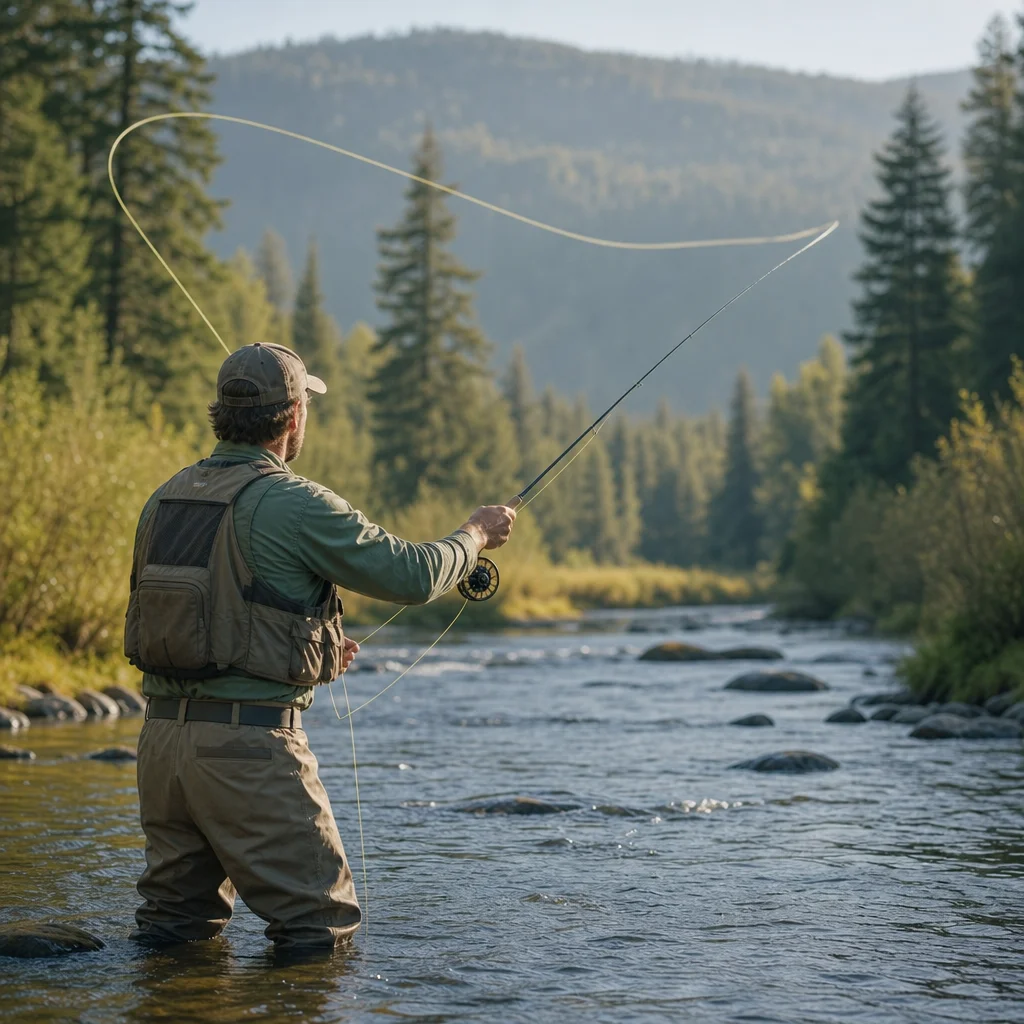
Moving from one trout water to another can feel harmless when your gear looks clean. A few grains of mud in boot tread, a wet landing net, or water trapped in a boat compartment may be enough to transport organisms that damage fisheries, alter habitat, or spread disease.
The solution isn’t complicated, but it does require a consistent routine. You need to inspect equipment, remove visible material, drain every place that holds water, and dry items thoroughly before using them elsewhere. When drying isn’t practical, use a treatment approved for the equipment and appropriate to the local concern.
Why clean gear matters
Aquatic invasive species and pathogens can travel in several ways:
- Mud stuck to boot soles, wader gravel guards, tires, or trailer parts
- Water retained in boats, live wells, bilges, buckets, pumps, and nets
- Damp felt or textured soles that hold fine sediment
- Plant fragments caught on anchors, propellers, straps, and lines
- Wet gear stored in a dark vehicle, where it may stay damp for days
Examples of organisms and diseases associated with freshwater equipment include invasive mussels, New Zealand mudsnails, aquatic weeds, didymo, and the parasite that causes whirling disease. The exact risks vary by watershed, season, and region. You don’t need to identify an organism to take sensible precautions: if it’s wet and has touched a fishery, treat it as a possible carrier.
Cleaning also protects the next water from contaminants you may not notice. A stream can look pristine while still being vulnerable to a species or pathogen established in a nearby drainage.
Check the next water’s rules: Before you travel, review the current requirements from the fish-and-wildlife agency, park, or water manager for each destination. Some areas require specific drying periods, prohibit certain footwear, or prescribe approved disinfectants and temperatures.
The basic sequence: clean, drain, dry
The order matters. Drying muddy equipment is less effective than removing the mud first, and disinfecting an item that still contains organic debris may not work as intended.
1. Clean off visible material
At the end of the day, inspect everything that touched the water or shoreline. Pay particular attention to:
- Boot soles, laces, seams, and gravel guards
- Wader knees, cuffs, pockets, and suspenders
- Net mesh, frame joints, and handle grip
- Rod tubes, straps, anchors, and landing mats
- Boat hulls, trailer rollers, bunks, fenders, and tires
- Fly boxes, forceps, hemostats, and measuring tools
Use a stiff brush or appropriate scraper to remove mud, algae, leaves, and plant fragments. Work over a place where the debris can be contained and disposed of in the trash, not washed into a storm drain or another waterway. Don’t move live plants or animals to “somewhere safer.”
For wading boots, flex the sole and scrub around the edges. Felt and deeply textured rubber can hide fine sediment. A quick glance at the top of the boot isn’t enough.
2. Drain every compartment
Turn equipment upside down and give it time to empty. Open drain plugs and remove drain screens where the design allows. Check compartments and items that are easy to overlook:
- Boat bilges and live wells
- Bait buckets and coolers
- Pumps, hoses, and water filters
- Landing nets and net bags
- Wader pockets and boot interiors
- PFD pockets and storage bins
- Rod tubes and cases that collected rain or splash
If a boat has multiple drain points, use all of them. A small amount of retained water can remain in a bilge, pump line, or recessed trailer frame even when the main hull appears dry.
Never release water from a boat, bucket, or aquarium into a different waterway. Dispose of unwanted bait and water according to local requirements, and don’t assume that straining the water removes every harmful organism.
3. Dry completely
Spread waders open, remove insoles if possible, separate net mesh from the frame, and leave gear where air can circulate. Sunlight can help, but airflow and complete drying are the important parts. A closed truck bed, sealed plastic tote, or damp basement may preserve moisture rather than remove it.
Dry equipment before visiting another fishery, not merely overnight by habit. Required drying periods differ among agencies and equipment types. Some recommendations call for at least a full day; others require longer in particular circumstances. Follow the strictest applicable direction when destinations have different rules.
If you can’t confidently dry an item, don’t move it straight to another water. Use an approved treatment or postpone the trip.
A gear-by-gear routine
Waders and boots
After leaving the water, rinse or brush off mud and plant material. Inspect boot soles, felt, rubber lugs, seams, and gravel guards. Turn waders inside out when possible and hang them so both the interior and exterior dry.
Keep separate pairs of wading boots for waters with known restrictions when that’s practical. Separate gear reduces the number of emergency cleaning decisions, though it doesn’t replace cleaning.
Disinfectants can damage neoprene, adhesives, leather, felt, coatings, and metal hardware. Don’t apply bleach, detergent, or a strong chemical simply because it’s available. Use only a treatment compatible with the equipment and accepted by the relevant water manager, then rinse or dispose of the solution as directed.
Landing nets
Nets are easy to forget because they usually look clean. Fine sediment and plant fragments can remain in mesh, knots, and frame joints. Rinse or brush the net, drain it fully, and hang it open rather than leaving it folded in a pack.
A rubber net often dries faster than a deep fabric bag, but neither should be assumed clean while wet. If the net was used in a water with a known invasive species or disease concern, follow the destination’s specific decontamination instructions.
Rods, lines, and small tools
Wipe rods and reel exteriors, rinse tools that contacted the water, and inspect line, backing, and reel feet for grit or vegetation. Fly lines usually don’t hold much water, but they can carry organic material if they were dragged through shallow margins or weeds.
Let rod tubes and fabric cases dry separately. Storing wet gear inside a tube can keep it damp long after the rod itself feels dry.
Boats, kayaks, and float tubes
Remove weeds and mud from the hull, transom, trailer, wheels, straps, anchor, and motor. Drain the bilge, live well, bait tank, ballast system, and other water-holding equipment. Open hatches and remove drain plugs as soon as you leave the launch.
Kayaks and float tubes need the same attention as larger boats. Check scupper holes, storage wells, rudder systems, anchor pockets, and fabric folds. For inflatables, inspect valves and seams where water can collect.
If a boat has a built-in washdown or ballast system, follow the manufacturer’s directions for draining and decontamination. Don’t force hot water or chemicals through a system unless the equipment and local protocol specifically support that method.
Vehicles and trailers
A trailer can move aquatic material even when the boat is clean. Inspect bunks, rollers, wheel wells, license-plate brackets, mudguards, and frame crossmembers. Remove weeds and mud before driving away from the launch when the site permits it.
Rinse the boat and trailer at an appropriate wash station or location. Avoid washing material directly into the water, a storm drain, or a drainage ditch. Let the trailer dry as well; its crevices can stay wet longer than expected.
When you’ve already moved wet or dirty gear
The most useful response is prompt containment, not panic. Don’t take the equipment to another fishery, and don’t rinse it at the next launch. Keep organisms and water from spreading farther while you determine the proper treatment.
Separate wet items from clean gear. Remove visible mud and vegetation, drain water into a suitable disposal location, and begin drying. If the gear came from a water with a documented invasive-species or disease concern, contact the local fish-and-wildlife agency, park office, or water manager for the appropriate response.
Some agencies provide inspection or decontamination stations for boats and trailers. Use one when required or available. A commercial wash may not use the temperature, pressure, contact time, or collection method needed for a particular organism, so ask what service is actually provided.
Don't improvise with boiling water, high heat, household cleaners, or concentrated bleach. These can injure you, damage equipment, or create contaminated runoff without solving the biological problem. Follow the product label, manufacturer instructions, and local direction together; when they conflict, stop and get clarification.
Common mistakes to prevent
“It looks clean, so it is clean”
Fine sediment is difficult to see on dark rubber, felt, mesh, and trailer parts. Run your fingers through seams and tread rather than relying on a visual check alone.
“A quick rinse is enough”
Rinsing can remove loose material, but it may leave organisms in tread, mesh, bilges, and hoses. Scrub first, drain thoroughly, and dry or treat the equipment as required.
“Leaving it in the truck overnight counts as drying”
Warmth isn’t the same as drying. Closed spaces can trap humidity, and rolled waders or bundled nets may stay wet inside. Open, separate, and ventilate the gear.
“The same method works everywhere”
Rules and treatment recommendations vary. A method suitable for a small net may be inappropriate for a boat’s plumbing or a pair of waders. Destination-specific requirements take priority.
“I’ll clean it when I arrive”
The launch is a poor place to discover mud in your boots. Clean, drain, and dry before departure, then inspect again before the next trip. A small brush, drain-plug reminder, and drying rack in your vehicle can make the routine much easier.
A simple travel checklist
Before leaving the first fishery:
- Remove mud, plants, and visible debris.
- Drain boats, containers, pumps, nets, and gear.
- Empty water from pockets, compartments, and hoses.
- Separate wet items so they can dry fully.
- Dispose of unwanted bait and debris responsibly.
Before entering the next fishery:
- Confirm the current local requirements.
- Inspect boots, waders, nets, boat, trailer, and vehicle.
- Make sure equipment is dry or has received an approved treatment.
- Keep clean gear separate from anything still wet or questionable.
The routine takes a few extra minutes, but it prevents a problem from hitching a ride to the next stream. Once clean, drain, and dry becomes part of packing up, protecting trout waters becomes less of a special task and more of a normal part of fishing.