Cleaning Your Gear After a Day on the Water to Prevent Accidental Spread
I’ll show you how to avoid carrying mud, plant fragments, and microscopic hitchhikers from one trout water to the next. This practical routine covers waders, boots, nets, boats, and the easily missed equipment that needs more than a quick rinse.
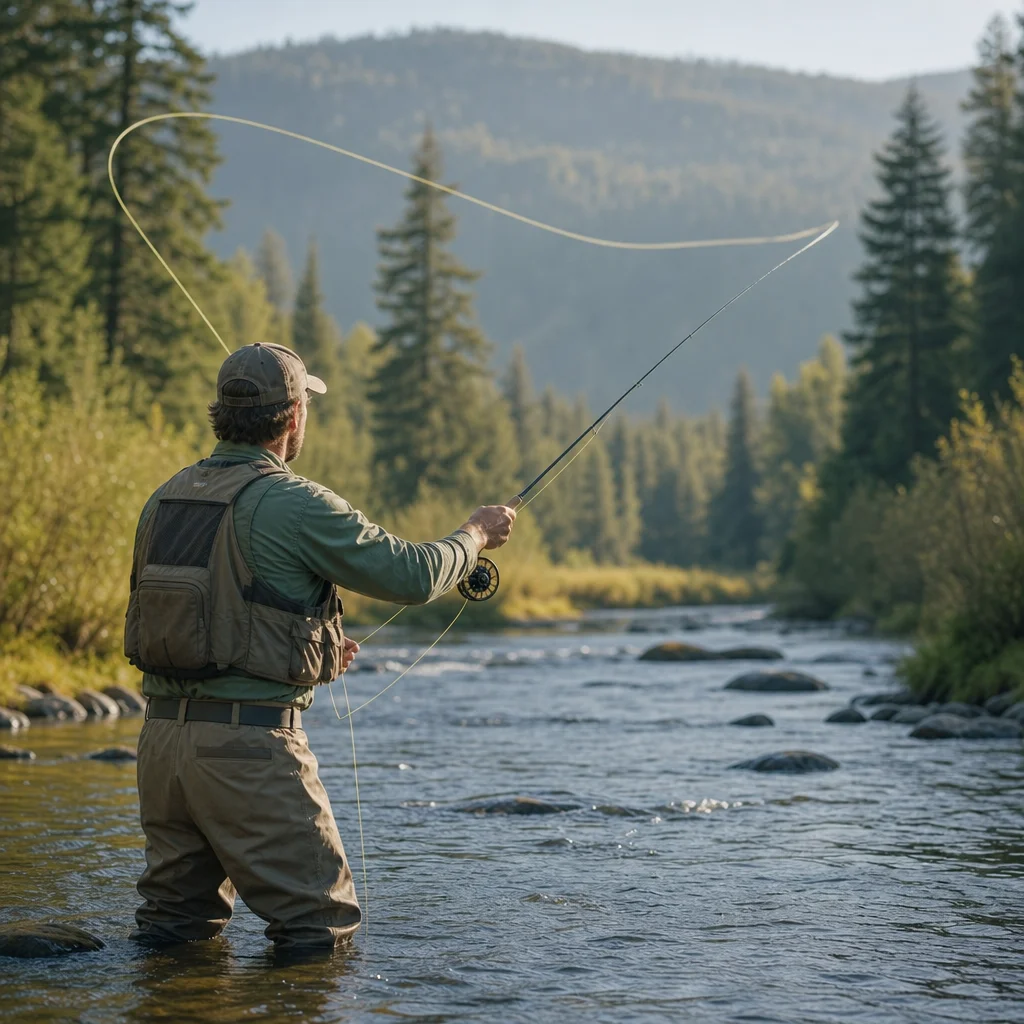
A damp pair of waders in the truck, a muddy boot sole, or a net left in the bottom of a boat can turn an ordinary fishing day into a transport system for unwanted organisms. The mistake is usually not carelessness; it’s assuming that gear looks clean enough to be safe.
If you fish multiple rivers, lakes, or watersheds, cleaning your equipment should be part of leaving the water—not an optional chore once you get home. The basic sequence is simple:
- Remove visible material.
- Clean and inspect every item.
- Disinfect when appropriate.
- Dry completely before the next trip.
The details matter because different gear holds water, mud, plant fragments, and biological material in different ways.
Start at the water, before you drive away
Do as much of the first cleanup as practical while you’re still at the access point. Remove leaves, algae, mud, and other debris from boots, waders, nets, anchors, boat compartments, and trailer parts. Check boot treads and the seams around wader feet; those areas can retain grit that a casual glance misses.
Don't rinse dirty equipment directly into the river, lake, or stream. That can release material you’re trying to contain. If an access site provides a designated cleaning station, use it according to the posted directions. Otherwise, move to a suitable location away from the water and storm drains when you can.
Before leaving, empty water from:
- Boats, kayaks, canoes, and paddlecraft
- Live wells, bait containers, and coolers used for fish
- Bilges, pumps, buckets, and portable tanks
- Wading boots and boot-foot wader pockets
- Nets, measuring boards, and other wet accessories
A drain plug is easy to overlook, particularly when you’re tired and thinking about the drive home. Make “drain, clean, and inspect” part of your loading routine.
Check the destination rules first: Before traveling between watersheds, look up the current requirements for the states, parks, reservoirs, and fisheries you’ll visit. Cleaning methods, drying periods, felt-sole restrictions, watercraft inspections, and transport rules can differ by location.
Cleaning isn't the same as disinfecting
These terms are often used interchangeably, but they describe different jobs.
Cleaning removes mud, plant fragments, fish slime, and other material from a surface. It usually involves brushing, rinsing, and inspecting. Cleaning is the first step because disinfectants work poorly when dirt and organic material are still present.
Disinfecting uses an approved treatment to reduce or kill particular organisms that may remain after cleaning. It can be important when you’re moving between waters where pathogens or invasive species are a concern, but no single treatment is safe and effective for every combination of organism, material, and equipment.
Drying removes the moisture many aquatic organisms need to survive. Complete drying is especially useful for items that can’t be treated with hot water or a chemical product. The required drying time depends on temperature, humidity, airflow, and the item’s construction, so a damp interior isn't the same as a dry one.
A quick spray followed by packing wet gear into a closed vehicle doesn't accomplish all three jobs.
Waders and boots: focus on the hidden places
Turn waders inside out as far as the material and design allow. Rinse away mud from the exterior, then inspect seams, gravel guards, boot soles, suspenders, pockets, and the inside of boot-foot waders. Removable insoles deserve attention too.
For stocking-foot waders, clean the wader feet and boots separately if possible. Gravel lodged between the wader bootie and outer boot can be difficult to see and may damage the fabric as well as transport material between waters.
A stiff brush can help remove dried mud from nonporous boot soles. Use a softer brush on delicate fabric and follow the manufacturer’s care instructions. Avoid aggressive scrubbing that damages seams, coatings, or waterproof membranes.
After cleaning, hang waders fully open in a well-ventilated place. Keep them out of direct, intense heat unless the manufacturer specifically permits it; high heat can affect adhesives, rubber, coatings, and seam tape. Dry the inside as carefully as the outside. A boot dryer may help, but use a setting appropriate for the equipment.
Felt soles require special attention. They can retain water and fine sediment, and some jurisdictions restrict or prohibit their use. Don’t assume that replacing felt with rubber solves every contamination concern; rubber soles also need cleaning and drying, particularly when their tread is deep or damaged.
Nets, lines, and fish-handling equipment
Nets are easy to forget because they may look clean after a rinse. Work through the mesh, frame joints, handle connection, and any protective sleeve. Remove scales, plant fragments, and sediment before applying any product.
If you use a landing net in more than one watershed, choose a design that drains and dries readily. Keep it spread open rather than folded in a sealed bag. A wet net packed against other equipment can remain damp long after the outside of the bag feels dry.
Clean measuring boards, forceps, hemostats, hook removers, gloves, and fish-friendly mats as well. Rinse away organic material, then dry them completely. Disinfectants can irritate fish or damage equipment if residue remains, so follow the product label and rinse or remove residue as directed before the gear contacts fish.
Your fly line usually isn’t the highest-risk item for transporting mud, but it can collect debris around the tip, running line, and reel. Wipe it according to the line manufacturer’s instructions. Don’t soak a reel unless its design allows it; instead, remove grit from the frame, spool, backing, and line connections.
Boats and paddlecraft need a bigger inspection
A boat can move water, plants, mud, and small animals over considerable distances. Cleaning the hull is only the beginning. Inspect the trailer, bunks, rollers, axle, transom, propeller, anchor, anchor rope, bilge, live well, bait tank, storage compartments, and drain areas.
Pull weeds and plant fragments off by hand and place them in the appropriate trash or disposal location. Don’t leave them on the ramp or toss them back into the water. Drain every compartment and tank, and check for trapped water in pumps and hoses.
For larger boats, follow the waterbody’s inspection and decontamination process. Some facilities use hot-water systems or other treatments that require specific equipment and operating procedures. Improvised household chemicals may damage a hull, plumbing, trailer, or aquatic environment and may not address the organism of concern.
Kayaks, canoes, and inflatable craft have their own hiding places: scupper holes, drain plugs, carrying handles, floor channels, valves, and folded seams. Inflate or unfold them enough to inspect those areas, then allow them to dry fully before storage.
Choose treatments without damaging gear
When a treatment beyond cleaning and drying is required, start with the equipment manufacturer’s instructions and the current guidance from the relevant fish and wildlife or natural-resource agency. Temperature, contact time, concentration, and material compatibility all matter.
Hot-water treatments can be effective for some aquatic invasive species, but “hot” isn't a universal setting. Water that is too cool may be ineffective; water that is too hot can burn you or damage wader adhesives, inflatable materials, boot compounds, and electronics. Use a thermometer and an established procedure when an agency or decontamination station specifies one.
Chemical disinfectants also vary. A product suitable for hard, nonporous equipment may be inappropriate for waders, nets, rubber, leather, or inflatable craft. Never mix products, and don’t pour leftover solution into a waterway, storm drain, or soil without following the label and local disposal requirements.
Bleach isn't a one-size-fits-all answer. It can corrode metal, degrade fabrics and rubber, damage waterways, and leave residues that are harmful to fish. If an agency specifically recommends a bleach solution for a particular item and purpose, follow its current concentration, contact time, rinsing, and disposal instructions exactly. Otherwise, use cleaning and complete drying or a product approved for that equipment and task.
Deal with gear that can’t dry quickly
Some items are difficult to dry in the field: thick felt, closed-cell foam, boot interiors, rope, absorbent storage bags, and gear packed into a vehicle during humid weather. If you can’t clean and dry them before reaching another waterbody, keep them isolated and don’t use them there.
A separate tote for dirty equipment can help. Use one that is easy to clean, and don’t seal wet gear inside indefinitely; the tote should contain the equipment during transport, not replace the drying process. At home, unpack everything promptly, open folds and pockets, and use airflow to reach interior surfaces.
If an item has been exposed to a known disease concern or can't be adequately cleaned, contact the relevant local agency for specific advice. Some situations call for discarding porous material rather than trying to save it with an unsuitable chemical treatment.
A routine that takes less time than a lost fishing day
Create a short checklist and keep it with your fishing license, boat key, or vehicle gear. After each trip:
- Remove mud, plants, and organic material.
- Drain boats, tanks, buckets, and other containers.
- Inspect soles, seams, mesh, pockets, drains, and compartments.
- Clean each item using a material-appropriate method.
- Disinfect only when needed and according to current guidance.
- Dry gear completely, inside and out.
- Store clean, dry equipment separately from gear waiting to be cleaned.
- Check the next destination’s current rules before you travel.
The goal isn’t to turn a fishing trip into a laboratory exercise. It’s to prevent an overlooked clump of mud or a warm, wet net from becoming a passenger to the next watershed. A few deliberate minutes after each outing protect the places you fish—and make your equipment last longer, too.