How to Keep Sunscreen and Bug Spray Off Trout Gear and Fish
I’ll clarify how sunscreen and insect repellent end up on trout gear, then show you a simple warm-weather routine for applying personal products, cleaning your hands, managing nets, and keeping fish and water cleaner.
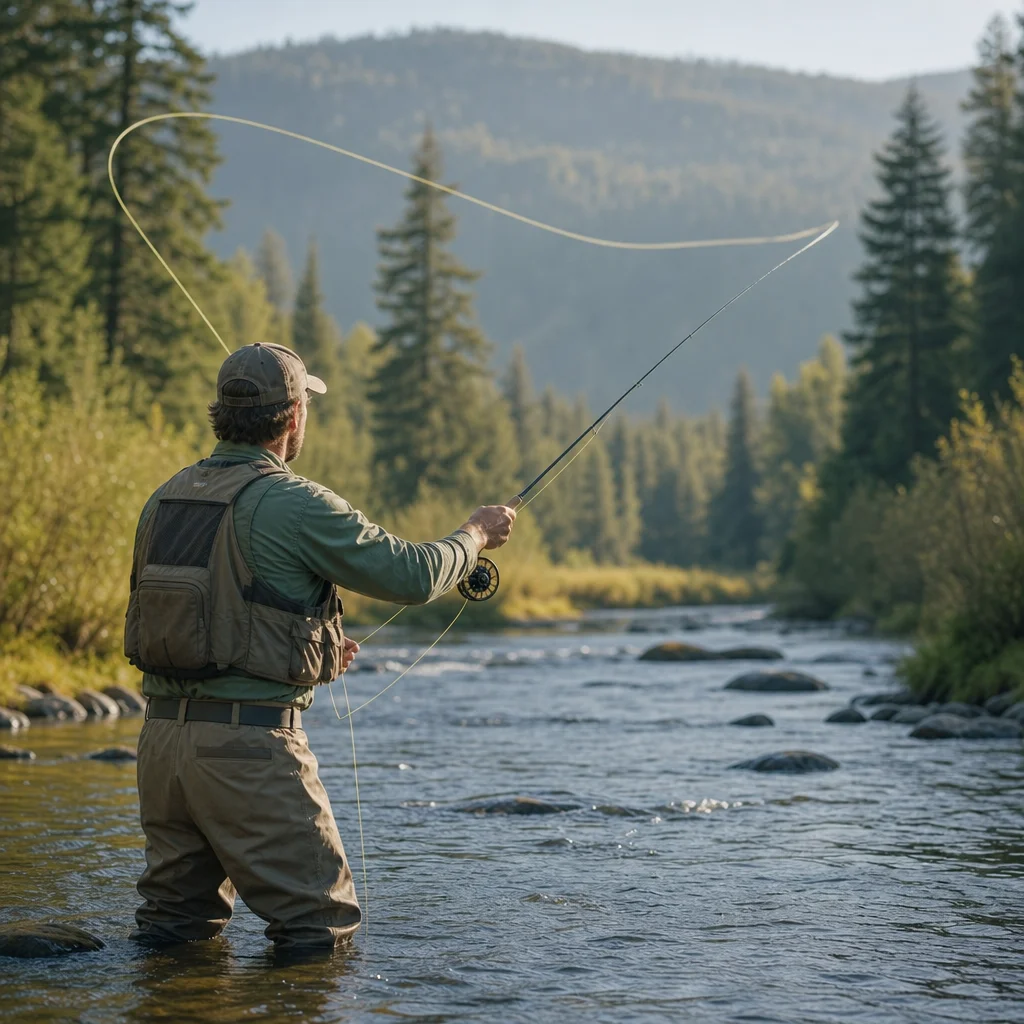
Summer trout fishing creates an awkward problem: you need sun and insect protection, but the same products can transfer to rods, nets, flies, hands, and fish. You don’t need to skip sunscreen or repellent. You need a routine that keeps personal-care products away from the parts of your fishing setup that touch water and trout.
The goal is straightforward: apply products before you approach the water, let them settle, wash or thoroughly rinse your hands before handling tackle or fish, and keep a clean barrier between personal items and fishing gear.
Why transfer happens so easily
Sunscreen and insect repellent are designed to remain on your skin. That’s useful when you’re standing in bright sun or swatting mosquitoes, but it also means residue can move to anything you touch.
Common transfer points include:
- Rod handles and reel knobs
- Fly boxes and tippet spools
- Forceps, nippers, and other tools
- Landing nets and net frames
- Camera phones and sunglasses
- Fishing gloves
- Trout slime coats, eyes, and gill areas
The transfer is often invisible. A slick grip, an oily patch on a net, or a strong chemical smell on your fingers may be the only clue. You don’t have to prove that a product has contaminated the water to take sensible precautions. Keeping unnecessary residue away from fish and their habitat is a worthwhile habit, especially when several anglers are gathered around one small stream.
Apply personal products before you rig up
The easiest contamination to prevent is the contamination you avoid at the start of the outing. Apply sunscreen and insect repellent before you assemble your rod, tie on a fly, or pick up your net.
Choose a spot away from the bank whenever possible. A vehicle tailgate, picnic table, or dry staging area works better than standing over the water. Sprays and aerosols can drift farther than you expect, while lotions and creams can leave residue on nearby tackle.
A useful sequence is:
- Put down your rod, net, and tackle bag.
- Apply sunscreen to exposed skin.
- Apply insect repellent according to its label.
- Allow the products to dry or settle as directed.
- Wash your hands with soap and water.
- Dry your hands with a dedicated clean towel.
- Rig and handle fishing equipment only after that routine.
You may need to reapply later, particularly after sweating, swimming, or wiping your face. When that happens, step away from the fishing area again. Don’t treat reapplication as a reason to handle a trout immediately afterward.
Set up your warm-weather routine: Keep sunscreen, repellent, soap or clean water, and a small hand towel together in one personal-care pouch. Apply before you touch your fishing gear, and repeat the hand-cleaning step after every reapplication.
Wash your hands before touching fish or gear
A quick rinse can remove loose residue, but soap and clean water provide a more dependable reset for hands coated with sunscreen or repellent. If you’re near a vehicle or facility, use a sink. In the field, carry enough clean water for handwashing rather than washing products directly into the stream.
Dry hands matter, too. Wet hands aren't automatically clean hands, and a damp towel may simply spread residue around. Use a small, washable towel that is kept separate from the net and other fishing equipment.
Hand sanitizer can be useful when soap and water aren’t available, but it isn’t a perfect substitute for removing oily or lotion-like residue. Follow it with soap and water when you can. Avoid applying sanitizer and then immediately handling a trout; give your hands time to dry completely, and wash them before the next fish if possible.
If you wear sunscreen or repellent on your hands, consider applying those products to the backs of your hands and wrists while keeping your palms as clean as practical. This won’t replace handwashing, but it can reduce residue on rod grips, line, and fish.
Keep the net clean and separate
A landing net is one of the most important contamination points because it contacts water and often touches a fish. Store it away from sunscreen bottles, insect-repellent containers, food, and used towels.
A simple system is to give the net its own place:
- Hang it on the outside of a pack or keep it in a clean sleeve.
- Don’t place it on a picnic table where personal products are being applied.
- Avoid setting it on vehicle seats or floors where spilled products may be present.
- Rinse it with clean water if it picks up noticeable residue.
- Let it dry fully before storage to reduce odors and material breakdown.
Use a net made for fish handling, with a soft, fish-friendly mesh. Product residue is only one part of responsible net use; rough, knotted, or dirty mesh can also cause avoidable damage. Keep the net wet before it contacts a trout, and handle the fish as little as possible.
Don't add soap, detergent, or household cleaner to a net while you’re standing beside the stream. Even a product intended for cleaning equipment can become a water-quality problem if it enters the fishery. Clean it at home or at an appropriate wash area, following the net manufacturer’s care instructions.
Handle trout with clean, wet hands
Before you touch a trout, wet your hands with clean stream water. This helps prevent your hands from drying the fish’s protective slime coat. It also gives you a final opportunity to notice whether your hands feel greasy or smell strongly of personal products.
If they do, pause. Set the fish back in the water if it’s already being held, secure your rod, and clean your hands away from the fish. Don’t try to solve the problem by rubbing the fish, rinsing it with soap, or wiping it with a towel.
When handling the trout:
- Keep it in or just above the water whenever possible.
- Support its body rather than squeezing it.
- Keep fingers away from the eyes and gill covers.
- Avoid touching the gills.
- Remove the hook with clean, appropriate tools.
- Limit photography time.
- Return it facing into gentle current so it can recover.
Sunscreen and repellent aren't the only reasons to keep products off fish. Food, fuel, hand cleaner, tobacco residue, and dirty gloves can also transfer to a trout. A clean-hands routine protects against the whole category of avoidable residue.
Choose product habits that reduce mess
You don’t necessarily need a special fishing sunscreen or a particular insect repellent. The most useful choice is often the product and application method you can control without spraying your tackle or leaving your hands slick.
Consider these practical adjustments:
- Use lotion or cream instead of spraying near rods and nets.
- Apply spray products to your hands first, then rub them onto areas where the label allows it.
- Ask an adult to apply products to children before they approach the water.
- Keep bottles in a sealed pouch with an absorbent cloth for small leaks.
- Avoid placing open containers in a tackle tray.
- Pack a spare towel and a small amount of clean water for handwashing.
- Use long sleeves, a hat, and insect-resistant clothing to reduce how often you reapply.
Always follow the product label, particularly for children, sensitive skin, reapplication intervals, and areas that should be avoided. Don’t put repellent on a child’s hands, around the eyes, or near the mouth unless the label specifically directs otherwise.
If product gets on your gear or a fish
Accidents happen. If sunscreen or repellent gets on a rod grip, tool, or net, stop using the affected item around the fish until you can rinse and clean it properly.
For a small amount of residue on hard gear, wipe it away and rinse with clean water when practical. Keep cleaners and rinse water out of the stream. Follow the manufacturer’s instructions for reel components, fly lines, net coatings, and other materials that may not tolerate solvents or detergents.
If a product gets on your hands, wash them before touching a trout. If it gets on a fish, don’t scrub the fish or apply any cleaning product. Keep the trout supported in clean, flowing water, minimize handling, and release it promptly. If the fish appears injured or distressed, contact the relevant local fisheries agency for advice rather than experimenting at the streamside.
Check the local fish-handling rules: Before a summer trip, confirm the current regulations for your destination, including permitted gear, bait or fly restrictions, handling requirements, and any special closures. Local rules can change by water and season.
A family-friendly checklist
For a family or group, assign one person to manage personal-care products and one person to manage the fishing gear. That small division makes it less likely that a child will apply repellent and immediately pick up the net.
Before fishing:
- Apply sunscreen and repellent away from the water.
- Let products dry as directed.
- Wash and dry hands.
- Store bottles separately from tackle.
- Rinse and wet the net before use.
Before releasing a trout:
- Wet your hands.
- Check that they don’t feel greasy or smell strongly of product.
- Keep the fish low and supported.
- Take a quick photo only if the fish is calm and well supported.
- Return it promptly.
After fishing, rinse muddy or visibly dirty gear with clean water, clean products from your hands and clothing, and store the net where it can dry completely. A few minutes of maintenance is easier than trying to remove an unknown residue later.
The practical rule is simple: personal products belong on you, not on your tackle, net, hands, or fish. Apply them before you rig, clean your hands after reapplication, keep the net separate, and avoid using soap or cleaners beside the stream. Those habits let you stay comfortable in warm weather while reducing unnecessary risk to trout and the water you came to enjoy.