Leave No Trace at Popular Trout Pull-Offs
I’ll help you avoid the small mistakes that turn busy trout pull-offs into damaged, littered access points, with practical habits for parking, bait containers, discarded tippet, fires, human waste, and crowded banks.
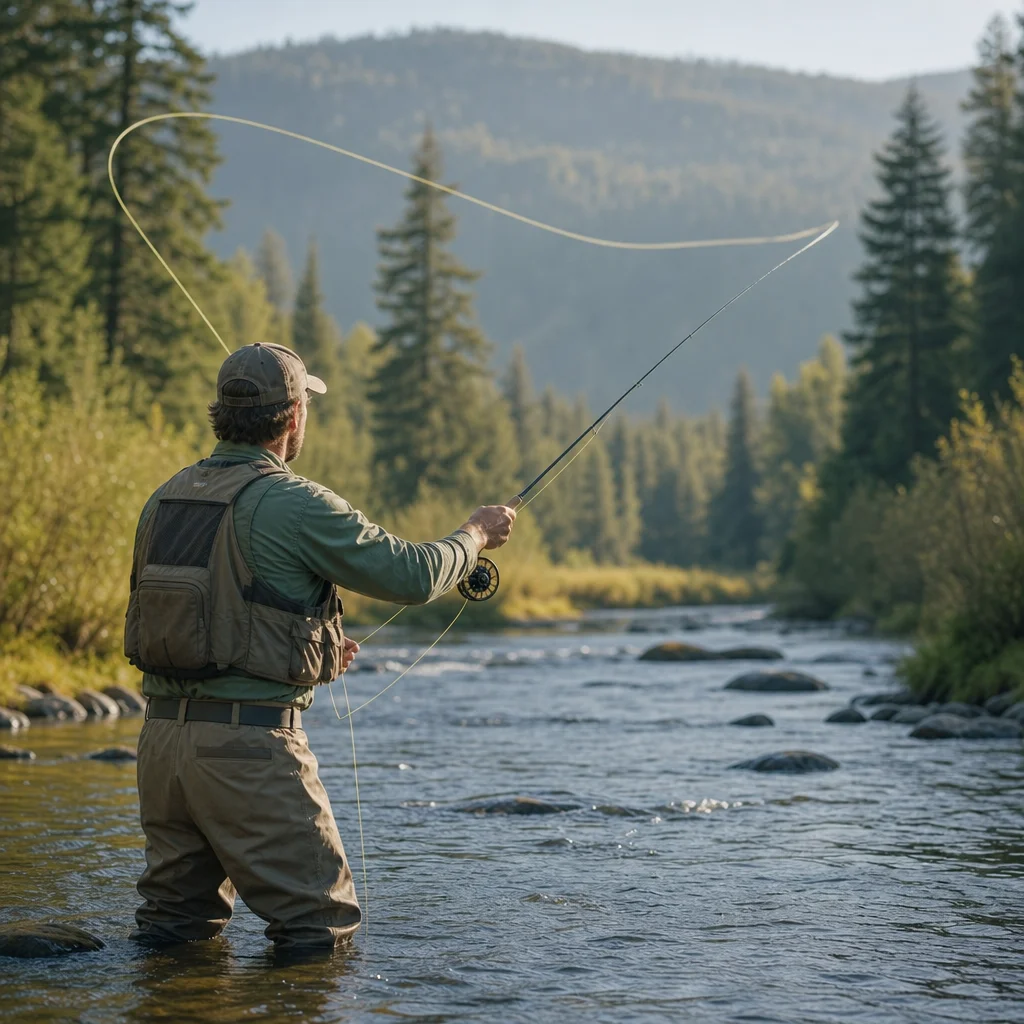
Busy trout pull-offs magnify small mistakes. One discarded bait container, a loop of monofilament, or a poorly chosen parking spot may seem harmless on its own, but repeated use can leave an access point littered, compacted, smoky, or unpleasant for the next angler.
Leaving no trace at a popular fishery isn’t about carrying an expedition-sized cleanup kit. It’s about making a few decisions before you cast, keeping your waste contained, and recognizing that other people—and the trout—share the same narrow strip of water and land.
Start with the pull-off, not the river
When you arrive, pause before unloading. Look for the established parking area, trail, restroom, fire ring, and access path. Use those features even if a shortcut toward the water looks faster.
Driving or parking on vegetation can widen a pull-off over time. Wet ground is especially vulnerable to tire ruts, and a vehicle that slips off the firm surface can damage plants and block access for everyone else. If the designated area is full, don’t create a new space simply because there’s room beside it.
Keep your vehicle from blocking gates, turnarounds, boat launches, access trails, or another vehicle’s exit. At a crowded site, a few extra minutes spent choosing a considerate position can prevent a much larger problem later.
Unload efficiently, then move your gear clear of the driving area. Rod tubes, coolers, wading boots, and loose packs become obstacles when several groups are arriving or leaving at once.
Check the access rules before unloading: Confirm the posted requirements for parking, fires, bait, pets, camping, toilets, and seasonal closures. Popular fisheries can have site-specific rules that change with conditions or management needs.
Pack bait containers and bait waste out
Bait containers are easy to forget because they’re often small, dirty, and empty by the end of a trip. That’s exactly why they collect around popular pull-offs. Put them in a dedicated pocket or small sealable bag as soon as they’re empty rather than leaving them beside your tackle.
The same applies to bait scraps, packaging, hooks, sinkers, and pieces of line. Don’t toss bait into the brush or water. Organic material can attract animals to parking areas, and tackle can injure wildlife or create a hazard for people and dogs.
If you’re sharing an access point with bait anglers, don’t assume someone else’s container is yours to handle casually. Use care around exposed hooks and sharp tackle. If you choose to remove abandoned waste, place it in a rigid container or otherwise protect your hands; a cleanup effort shouldn’t create a puncture injury.
A useful habit is to bring one small “dirty trash” container for bait packaging, used gloves, and wet refuse. Keeping that separate from clothing and food makes packing out less unpleasant and more reliable.
Control every inch of tippet and line
Discarded tippet is one of the easiest forms of fishing waste to miss. Clear monofilament can blend into gravel, grass, and leaves, while fluorocarbon may be nearly invisible in low light. Neither belongs on the bank or in the water.
Use a pocket spool, line-recycling container, or small lidded container for clipped ends. Before leaving a run, scan the area around your feet, pack, net, and wading staff. Check the branches and rocks where a snagged leader may have broken off.
If your line catches on a shrub, retrieve it when you can do so without damaging the plant or putting yourself at risk. Don’t wade into unstable water or climb onto slick rocks to recover a few feet of line. Leave a dangerous snag rather than turning a cleanup task into a fall.
Never cut line into short pieces and scatter it. Short pieces are still entanglement hazards, and they’re harder for the next person to find.
Treat fire rings as a managed feature, not a dumping spot
An established fire ring doesn’t automatically mean a fire is allowed. Fire restrictions, burn bans, campground rules, and seasonal conditions can vary by location and date. If fires are permitted, use the existing ring and keep the fire within it.
Don’t build a new ring beside the river or in a patch of vegetation. Avoid burning plastic, bait packaging, fishing line, foil, cans, or treated materials. They leave residue, unpleasant smoke, and waste that someone else must remove.
Before leaving, make sure the fire is fully out according to local guidance. A fire that looks finished may still contain hot coals. Don’t leave partially burned wood scattered around the site, and don’t move rocks from the bank to construct or enlarge a ring.
If the ring is full of ash and trash, that’s a sign to leave it alone or choose a different permitted option—not to push the material into the river or bury it nearby.
Plan for human waste before you need a private place
Crowded trout water often has limited facilities. Don’t wait until you’re uncomfortable to decide what you’ll do. Use an available restroom before walking in, learn where facilities are located, and carry the supplies appropriate for the kind of trip you’re making.
If no facility is available, follow the regulations and site guidance for human waste. In some places, burial may be allowed under specific conditions; in others, a portable waste system may be required or strongly preferred. Conditions near water, high-use camps, shallow soil, snow, and rocky ground can make ordinary assumptions unreliable.
Keep human waste and toilet paper away from the river, trails, campsites, parking areas, and places where people fish or gather. Pack out anything the local rules require you to pack out. Don’t hide toilet paper under rocks, burn it in a fire, or leave wipes behind.
A small privacy shelter, waste bag system, or other prepared option may feel excessive for a short outing, but it’s better than improvising beside a popular bank. Dogs require the same planning: bag waste and carry it to an appropriate disposal point rather than leaving it along the trail.
Give crowded banks more room
A busy bank changes how you should fish. You may not get the quietest seam, the perfect casting lane, or a private place to organize your gear. That’s part of using a popular public fishery.
Keep your pack, net, rod tubes, and extra layers out of the main path. If you need to change clothing or sort tackle, step away from the narrowest access point when possible. Don’t spread equipment across a pull-off or claim a convenient piece of bank for longer than you need it.
Before entering the water, look upstream and downstream. Give other anglers room to move, and avoid wading through the area someone is actively fishing. If you must cross, communicate clearly and choose the least disruptive route.
Crowding also affects fish handling. Land a fish efficiently, keep it in or close to the water, and avoid standing on fragile banks just to create a better photo. Wet your hands before handling a trout, support its body, and release it facing into suitable current when conditions allow. If the bank is unstable, return the fish from a safer position rather than pursuing a dramatic picture.
Do a departure sweep every time
Before you drive away, perform the same short check in the same order:
- Look under and around the vehicle for line, bait containers, wrappers, hooks, and small plastic pieces.
- Check the trail from the parking spot to the river.
- Inspect the area around your fishing position, including branches and rocks.
- Confirm that fires are out and that you haven’t added trash to an existing ring.
- Retrieve temporary markers, broken gear, packaging, and food scraps.
- Make sure you haven’t blocked another user or left gear behind.
A headlamp helps with the final sweep when the light is fading, but don’t use darkness as a reason to skip it. If you’re fishing with others, assign one person to check the vehicle and another to check the bank. Two quick scans are often more effective than one distracted search.
The simplest decision rule
At a popular trout pull-off, choose the option that concentrates your impact in an established place and leaves the fewest decisions for the next visitor. Park on durable surfaces. Use existing facilities and fire rings only when permitted. Contain every piece of bait waste and line. Prepare for human waste before the need becomes urgent. Keep your equipment and body position from narrowing access for others.
You don’t need to make a busy fishery pristine after every visit. You do need to avoid adding to the damage that repeated use can create. Pack a dedicated trash container, a line-recycling container, and the sanitation supplies your destination requires. Then make the departure sweep part of packing up, right alongside counting rods and checking the cooler.