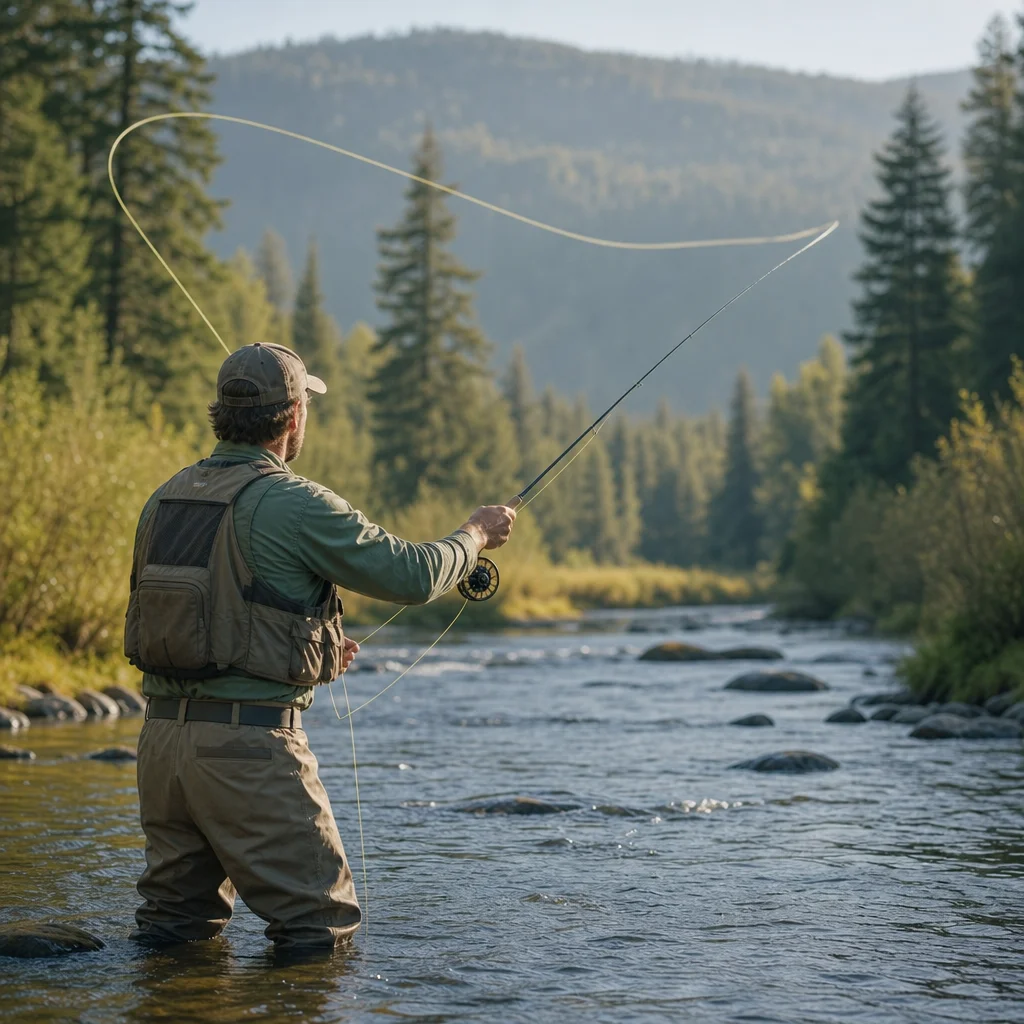
I’ll help you avoid the common mistake of changing flies at random when a run clouds up or clears suddenly, with a practical sequence for adjusting size, depth, retrieve speed, casting distance, and your approach.
Read article →
I’ll help you recognize likely trout redds, avoid the damage caused by wading or casting too close, and separate dependable field clues from guesses. You’ll also learn when local regulations and seasonal guidance should determine your next move.
Read article →
I’ll help you decide what to change—and what to leave alone—when trout have rejected several flies in a promising run. You’ll work through rest, angle, depth, fly size, and drift quality before giving up on water that may still hold fish.
Read article →
I’ll compare the choices you face when fishing near stream restoration, from staying outside a work zone to moving downstream, so you can protect new habitat, avoid unstable banks, and check whether temporary access rules change where you may cast.
Read article →
I’ll show you how to test the near bank before wading across a river, including where trout commonly hold, which casts to make first, and how this simple sequence can save water, fish, and missed opportunities.
Read article →
I’ll show you how to build one small fly box for a first trout day, choose patterns that cover different feeding situations, and change with purpose instead of panic. The goal is fewer flies, clearer decisions, and less time rummaging while trout ignore your offerings.
Read article →
I’ll explain how to keep a dry fly under control when a tailwind disrupts your loop, turnover, and placement. You’ll learn which casting adjustments help on open water and which safer alternatives prevent wind-driven flies from finding brush—or you.
Read article →
Broken water can make a dry fly look natural without a complicated presentation. I’ll show you how to use pockets, seams, and current breaks to lengthen useful drifts while making fewer, better casts.
Read article →
I’ll help you choose efficient search patterns, cover likely water, and interpret occasional rises so you can keep fishing productively instead of waiting for a perfect hatch that may never arrive.
Read article →
I’ll help you turn a single, disappearing rise into a sensible dry-fly plan: how long to watch, when to reposition, how to choose a presentation, and when to stop spending casts on one uncertain trout.
Read article →