When a Sparse Fly Beats a More Realistic Pattern
I’ll clarify why a lightly dressed fly can outfish a highly detailed pattern, especially when clear water and fishing pressure make trout suspicious of extra profile, flash, or movement.
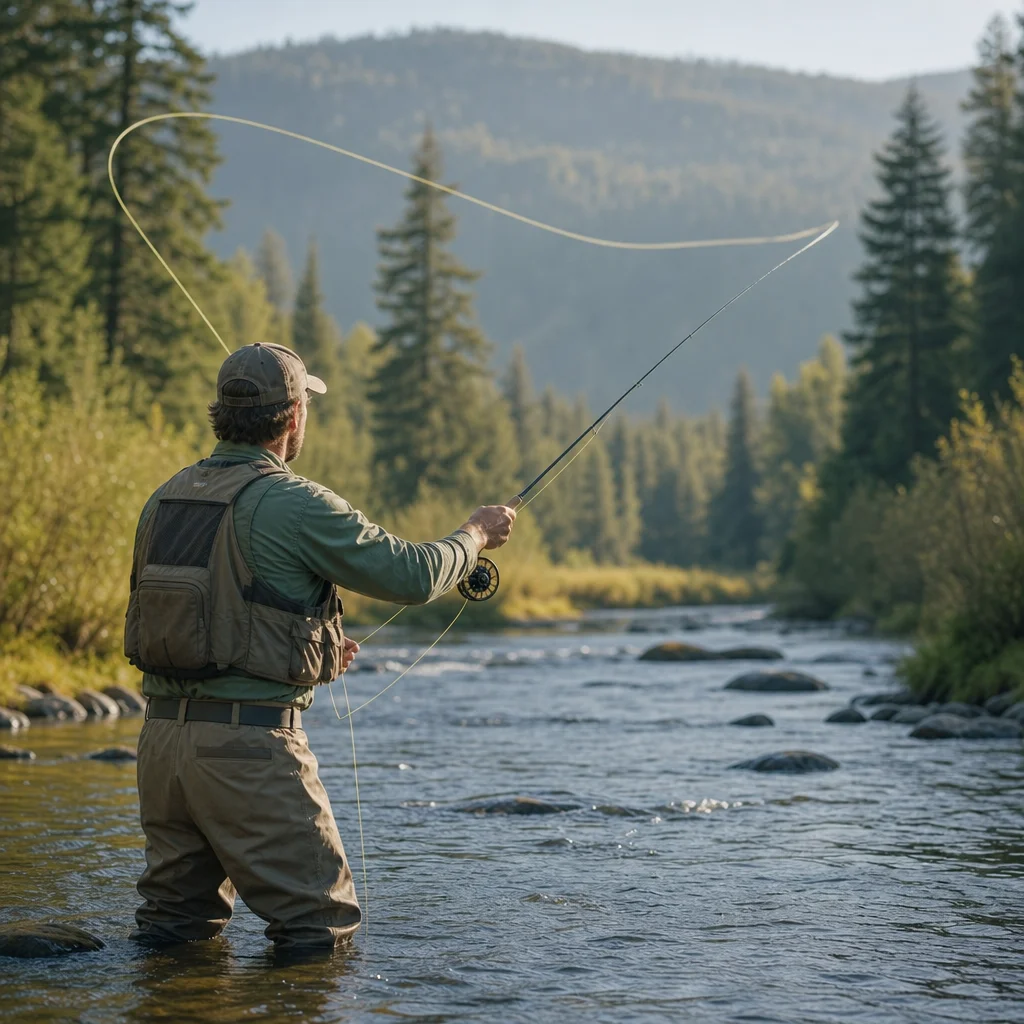
When a trout refuses a carefully chosen, realistic fly, the natural response is often to reach for an even more detailed imitation. In clear rivers and spring creeks, that can move you in the wrong direction. A sparse fly may look less impressive to you while giving the trout a cleaner, more believable signal.
The advantage usually isn’t that sparse flies are universally better. It’s that they can reduce the number of things a wary fish has to reject. A simple profile, restrained materials, and a convincing drift may matter more than legs, segmentation, wing cases, or other anatomical details.
What “sparse” really means
A sparse fly isn’t simply a badly dressed or incomplete pattern. It’s a fly with enough material to suggest the important features without creating unnecessary bulk.
Depending on the pattern, that might mean:
- A thin thread or dubbed body rather than a thick, segmented abdomen
- A small amount of hackle or synthetic fiber for movement
- A narrow wing or spent-wing silhouette
- Minimal flash, used as an accent rather than a dominant feature
- A body and thorax that preserve the insect’s general proportions
The goal is suggestion. You’re not trying to reproduce every anatomical feature. You’re trying to present a shape, size, color impression, and behavior that fit what the trout expects to see.
A fly can be sparse and still be too large, too bright, too stiff, or poorly presented. Sparse dressing only removes one set of potential problems. It doesn’t compensate for a drag-filled drift or an incorrect stage of the hatch.
Why detail can hurt in clear water
Detailed patterns can create a strong visual statement. That can help when trout are feeding aggressively, visibility is limited, or the fish need a prominent target. In clear, shallow water, however, extra detail may make the fly look less like a drifting insect and more like an object assembled from materials.
Several features can work against you:
An oversized profile
Additional fibers and bulky dubbing can make a fly appear larger than the natural insects on the water. A trout that has been seeing small, delicate food may inspect the imitation and reject it before you notice a full refusal.
Excessive contrast
A dark thorax, bright post, or heavy thread band can be useful for the angler but conspicuous to the fish. Contrast isn’t automatically bad, but it should have a reason. In glassy water, a small difference between the fly and its surroundings can be enough to trigger suspicion.
Stiff movement
Too much material often reduces movement rather than improving it. Hackle, tails, rubber legs, and synthetic fibers can become a rigid bundle. A smaller amount may pulse and settle more naturally when the fly lands or rides through uneven current.
Unnatural posture
A heavily dressed emerger may sit too high. A thick nymph may ride unnaturally in the film. A realistic pattern can contain the right parts but still present the wrong attitude in the water.
Trout don’t evaluate a fly from a vise. They encounter it as a moving shape under particular light, current, and depth conditions. That context determines whether detail helps.
Profile often beats anatomy
In many situations, the trout first responds to the fly’s outline. Is it narrow or broad? High-riding or submerged? Upright, trapped in the surface film, or drifting below it? Those broad cues can be more important than whether the imitation includes every visible feature of the natural insect.
Consider a small mayfly dun. A narrow body, modest upright wing, and delicate hackle may communicate “mayfly” effectively. A larger body with multiple wing fibers, a pronounced thorax, and extra tails may look more complete to you but less plausible on the water.
The same principle applies to caddis and midge patterns. A slim, lightly hackled adult can produce a clean footprint. A heavily clipped or over-winged version may create too much disturbance. For a midge, a tiny thread body with a subtle film-supporting element may be more convincing than a miniature, fully segmented imitation.
This doesn’t mean you should ignore color or proportions. It means you should rank the features. Start with the silhouette and size. Add detail only when the fishing situation gives you a reason.
Movement can make a simple fly convincing
Some sparse patterns work because their materials respond to current in small, irregular ways. A few fibers may tremble, collapse, or separate as the fly drifts. That movement can suggest life without imitating a specific anatomical structure.
Movement is particularly useful when:
- The trout are taking emergers or insects trapped in the film
- The water surface has small imperfections that hide minor motion
- You’re fishing a soft hackle or lightly dressed wet fly
- The natural insect isn't perfectly rigid as it drifts
- The fish are close enough to inspect the fly but still willing to respond to subtle behavior
The important distinction is controlled movement. A sparse fly shouldn’t flap wildly or twist in the current. If the materials cause the fly to skate, spin, or collapse unnaturally, reducing material may not solve the whole problem. You may need to adjust the pattern’s proportions, the tippet, or the way the fly is presented.
Use sparse flies as a recovery step
A sparse pattern is especially useful when your first choice has produced refusals. Rather than changing everything at once, use it as a controlled adjustment.
1. Confirm the basic match
Before changing patterns, check the approximate size, color family, and stage of the insect. A sparse fly won’t rescue a major mismatch. If trout are eating nymphs below the surface, a delicate dry fly is unlikely to become effective simply because it’s less dressed.
2. Remove visual excess
If the match is broadly correct, move to a simpler version. Choose a pattern with a slimmer body, fewer fibers, less flash, or a lower profile. Keep the size and general color similar when possible.
This gives you a useful test: are the trout rejecting the imitation’s details, or is the real problem elsewhere?
3. Improve the presentation before adding complexity
Make the next cast shorter if that gives you better control. Mend before the fly begins to drag. Extend the drift through the feeding lane. On spring creeks, a small change in angle can reduce conflicting currents enough to make a simple fly appear natural.
If the sparse fly produces a response, presentation was probably part of the issue. Don’t assume the pattern alone solved it.
4. Change one variable at a time
Avoid switching from a detailed size 16 dry fly to a sparse size 20 emerger with a completely different color and drift. You may catch a fish, but you won’t learn much from the result.
Keep as many variables constant as practical. Change dressing, then size, then stage or color if needed. This slower approach is more useful when you’re refining selection rather than merely trying to get one reaction.
When a realistic pattern is the better choice
Sparse isn’t a universal solution. A realistic pattern can be helpful when the trout have enough time and visibility to inspect the fly but are responding to a distinctive feature you need to represent.
More detail may earn its place when:
- A particular body color or segmentation is clearly important
- The fly must imitate a larger food item with a recognizable profile
- You need a durable pattern for repeated contact with rocks or vegetation
- The water is broken enough that added visibility helps you track the drift
- Trout are feeding selectively but not refusing because of excess material
In faster water, a little additional dressing can also help a fly stay upright or remain visible to you. The trade-off is that every added material can affect flotation, drag, and profile. Add only what solves the problem in front of you.
A simple selection framework
When choosing between a sparse and realistic pattern, ask four questions:
- What does the trout need to recognize? Size, color, silhouette, stage, and movement don’t carry equal importance in every situation.
- What can the fish see? Clear, shallow water gives trout more opportunity to inspect detail, but glare, depth, and current can change what matters.
- What does the fly do after it lands? Watch whether it rides, sinks, trembles, drags, or twists.
- What problem are you trying to fix? If the issue is refusal, reduce excess. If it’s poor drift control, changing patterns may be beside the point.
This framework keeps fly selection connected to observation instead of turning it into a contest between elaborate boxes.
Mistakes to avoid
Assuming sparse means tiny
A lightly dressed fly still needs to match the food’s approximate size. Shrinking the pattern can create a new mismatch.
Removing useful support
Too little hackle, wing material, or thorax structure can make the fly sink, collapse, or become impossible to track. Sparse dressing should improve the imitation’s behavior, not eliminate its function.
Blaming the fly for every refusal
A trout may refuse because of drag, a poor angle, excessive tippet, a shadow, or repeated casts. Changing to a simpler pattern is sensible, but give the presentation a fair test too.
Adding detail after every miss
A refusal often tempts you to make the fly more impressive. On clear water, the better response may be less material, a smaller profile, or a quieter delivery.
Practical next steps
Carry at least one sparse version of the patterns you already trust: a slim dry fly, a lightly dressed emerger, a simple nymph, or a soft hackle with restrained fibers. Tie or buy it in the same general sizes and colors as your more detailed choices.
When trout refuse a realistic pattern, don’t immediately abandon the hatch match. First reduce the profile and visual noise, then improve the drift and observe the result. If the sparse fly still fails, return to the larger questions of size, stage, depth, and presentation.
The most useful fly is rarely the one with the most parts. It’s the one that gives the trout a believable shape and behavior while giving you a reasonable chance to place and control it.