A Practical Way to Compare Hare’s-Ear, Pheasant-Tail, and Frenchie Nymphs
I’ll help you compare Hare’s-Ear, Pheasant-Tail, and Frenchie nymphs by profile, movement, weight, and water conditions, so you can carry fewer patterns while still making sensible choices when trout ignore the first fly.
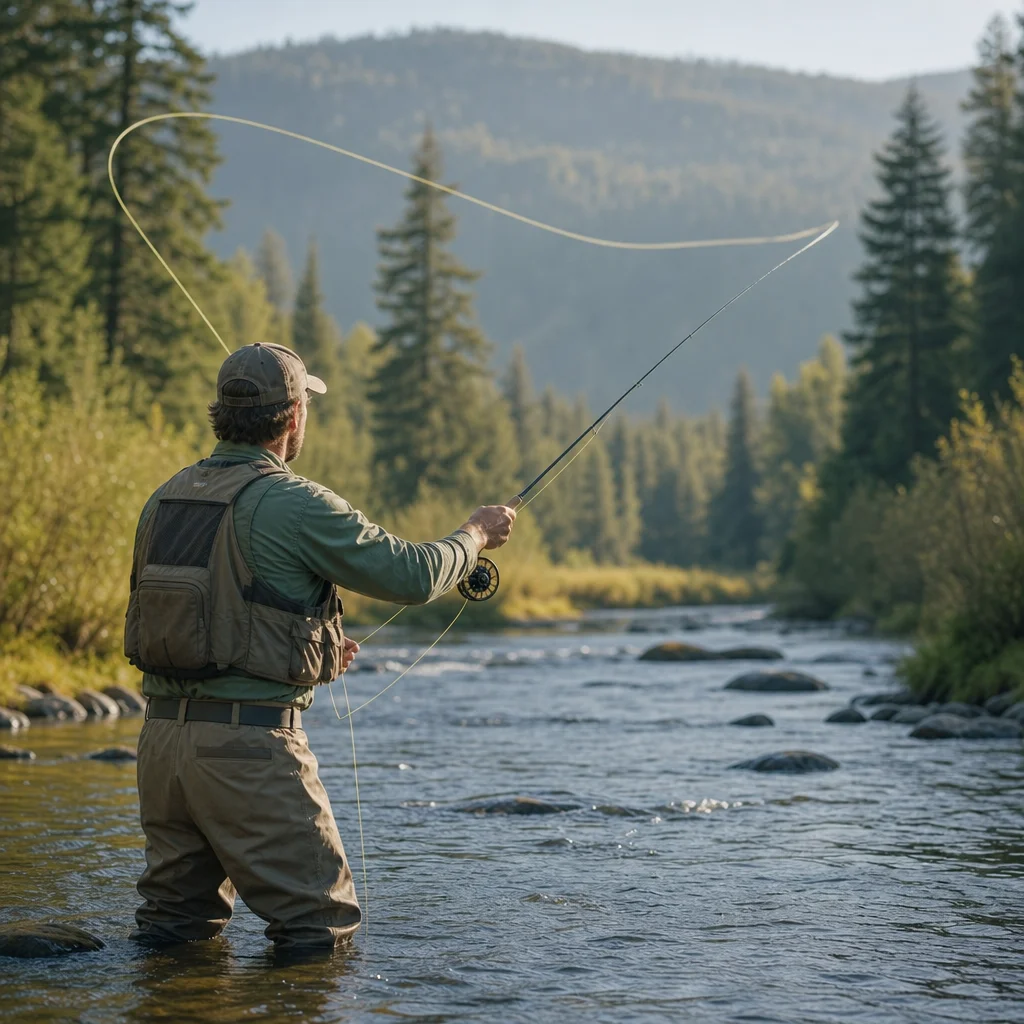
When three nymphs look useful and your fly box is already crowded, choosing one can feel more complicated than it should. Hare’s-Ear, Pheasant-Tail, and Frenchie nymphs overlap enough to confuse the decision, but they aren’t identical substitutes.
The simplest approach is to compare what each pattern suggests to a trout, how it behaves in the water, and what problem it helps you solve. You don’t need every size, color, and variation. A small selection with distinct jobs is usually more useful than a box full of near-duplicates.
Start with the pattern’s job
Before choosing a nymph, ask three questions:
- What kind of impression do you want to create? A general aquatic-insect impression, a slim mayfly profile, or a flashy attractor?
- How do you need the fly to fish? You may need it to sink quickly, drift naturally, or remain visible to a fish inspecting it closely.
- What is your backup if it fails? A good minimalist selection covers different profiles rather than merely different colors.
The three patterns fit those jobs differently:
- Hare’s-Ear: the broad, adaptable generalist.
- Pheasant-Tail: the slim, subdued mayfly-style option.
- Frenchie: the weighted, eye-catching attractor and searching nymph.
Those descriptions are useful starting points, not strict rules. Materials, bead size, ribbing, flash, and tying style can change how any version performs.
Hare’s-Ear: the adaptable generalist
A Hare’s-Ear typically has a fuzzy, tapered body made from hare’s-mask or a similar dubbing, with a darker thorax and some form of wing case. The result is a nymph with texture and suggestion rather than a sharply defined imitation.
That ambiguity is its strength. Instead of representing one insect perfectly, it can suggest several common nymph shapes. In different waters, anglers may fish it as a mayfly nymph, caddis-related search pattern, or simply a natural-looking food item.
Where it makes sense
Choose a Hare’s-Ear when:
- You don’t know exactly what trout are eating.
- You want a natural-looking first nymph.
- The water has moderate texture or depth and a little visual impression will help.
- You’re building a small selection and need one pattern that covers several situations.
Its fuzzy materials can create a soft, irregular outline. That may be helpful when trout aren't focused on a precise hatch or when the fly needs to look alive without exaggerated movement.
Its limitations
A Hare’s-Ear can become too bulky if it’s tied heavily or selected in an oversized version. Excess material may slow the sink or make the fly look less like the slender nymphs present in clear, low water.
It also lacks the built-in visual insistence of a bright Frenchie. If fish are responding to contrast or a hot spot, the Hare’s-Ear may need help from a second fly, a different size, or a more deliberate presentation.
Pheasant-Tail: the slim and subdued choice
The Pheasant-Tail is generally slimmer and more streamlined than a Hare’s-Ear. Its body often uses pheasant-tail fibers, with a darker thorax and a defined wing case. Many versions imitate mayfly nymph proportions without trying to reproduce every anatomical detail.
This pattern is particularly useful when a narrow profile seems more appropriate than a fuzzy, heavily textured one. It can look restrained in clear water, where trout have time to examine a fly before taking it—or rejecting it.
Where it makes sense
Choose a Pheasant-Tail when:
- You’re seeing or suspecting slender mayfly nymphs.
- The water is clear enough for profile to matter.
- Trout are feeding selectively rather than chasing conspicuous objects.
- You want a quiet alternative to a bead-heavy or flashy pattern.
Its slim shape can also be useful in slower currents, where the fly has more time to remain in the fish’s view. In that situation, a bulky or highly reflective nymph may look less convincing than a simple, narrow pattern.
Its limitations
A classic Pheasant-Tail may not sink quickly enough for deep or fast water unless it includes a bead, added weight, or a suitable rigging adjustment. A slim body also gives you less visual bulk to track, especially when fishing it as the lower fly beneath an indicator.
Some versions are fragile because pheasant-tail fibers can wear with use. That isn’t a reason to avoid the pattern, but it is a reason to check the body and wing case after catching fish or contacting rocks.
Frenchie: the weighted attractor
The Frenchie is commonly built around a slim body, a hot spot near the thorax, and a bead that provides weight. The exact materials vary, but the pattern’s identity usually comes from the combination of a compact nymph profile, strong contrast, and a conspicuous point of color.
It is less dependent on copying one insect exactly. Instead, it often works as an attractor: something that resembles food broadly while offering trout an additional reason to investigate.
Where it makes sense
Choose a Frenchie when:
- You need a nymph to reach depth quickly.
- You’re searching water without a clear hatch signal.
- The current is strong enough that extra weight helps maintain contact.
- Trout are willing to inspect a brighter or more contrasting fly.
- You want a point fly that can help carry a lighter nymph above it.
The bead and compact body make the Frenchie a practical tool when getting the fly into the feeding lane is the main problem. A beautifully chosen pattern isn't useful if it never reaches the depth where trout are holding.
Its limitations
Flash and a hot spot aren’t automatically improvements. In clear, shallow water or during cautious feeding, a bright Frenchie may look too conspicuous. Its weight can also create problems if it drags a lighter fly unnaturally, catches bottom constantly, or makes your presentation harder to control.
A Frenchie is also not a substitute for solving your depth and drift. Adding a heavier fly may help, but excessive weight can produce a bouncing, unnatural drift or increase the chance of snagging the bottom.
Compare the three by profile and behavior
| Pattern | Main impression | Typical strength | Common limitation |
|---|---|---|---|
| Hare’s-Ear | Fuzzy, general nymph | Versatility when you’re unsure what trout want | Can be too bulky or indistinct |
| Pheasant-Tail | Slim, subdued nymph | Clear water and selective fish | May need added weight and careful handling |
| Frenchie | Compact, bright attractor | Fast sinking and searching | Can be too conspicuous or heavy |
The important distinction isn't that one pattern is “natural” and another is “unnatural.” All three can be useful in natural-looking presentations. The more helpful question is whether the fly’s profile, visibility, and weight match the water you’re fishing.
Build a minimalist selection
For developing anglers, a compact selection can cover most decisions without filling every compartment in the box. Start with three roles rather than three patterns in every possible variation.
1. Carry a generalist
A Hare’s-Ear in a medium, moderately weighted version gives you a dependable searching option. Pick a size that fits the general scale of the nymphs in your local water, then add one smaller version if clear water and selective fish are common.
2. Add a slim alternative
A Pheasant-Tail gives you a different profile. It is worth carrying even if the Hare’s-Ear catches fish, because changing silhouette can be more useful than changing from one similar brown pattern to another.
3. Carry one attractor and weight option
A Frenchie provides contrast and helps you address depth. You don’t need a rainbow of hot-spot colors to begin. One reliable color combination in two useful weights or sizes is a more efficient starting point.
If you fish a range of rivers, adjust the weights to the water rather than buying endless pattern variations. A pattern that sinks properly and drifts under control will generally outperform a perfect imitation that remains above the fish.
Check your local water before choosing sizes: Hatch timing, available insects, and customary fly sizes vary by river and season. Observe the water and any active feeding before relying on a single pattern as a universal match.
A simple order for choosing between them
When you reach the stream, use this sequence:
- Begin with the water. Is it shallow and clear, deep and fast, or somewhere between?
- Look for evidence. Check the surface, rocks, current margins, and any nymphs you can observe without disturbing the water.
- Choose the profile. Start with a Pheasant-Tail for a slim, quiet look, a Hare’s-Ear for a broad general impression, or a Frenchie when contrast and attraction are useful.
- Solve depth separately. Change weight, leader setup, or position as needed instead of assuming a new pattern will fix every problem.
- Change one variable at a time. If the fly is drifting correctly but getting no response, change the pattern or size. If it never reaches the likely feeding lane, address depth first.
This process keeps you from swapping flies randomly. It also helps you learn what the fish are responding to.
Use combinations with a purpose
Fishing two nymphs can let you combine roles. For example, a heavier Frenchie can help bring a smaller Pheasant-Tail or Hare’s-Ear down. A Hare’s-Ear can serve as the broad generalist while a slimmer Pheasant-Tail gives trout a more restrained option.
Keep the combination logical. Two bulky, heavily weighted flies may be difficult to cast and may drift poorly. Two nearly identical brown nymphs may give you little information when the fish refuse them. Pair patterns that differ in a meaningful way—profile, visibility, or weight—so each fly has a job.
Avoid the common comparison mistakes
Treating color as the main difference
Color matters, but shape and behavior often matter first. A change from Hare’s-Ear to Pheasant-Tail changes the silhouette more substantially than changing one shade of brown to another.
Assuming the brightest fly is the best searching fly
An attractor can draw interest, but trout may prefer something quieter. If the Frenchie gets refusals in clear water, try a smaller or less flashy option before concluding that nymphing isn’t working.
Ignoring the drift
A pattern choice can't compensate for a fly that is dragging, suspended too high, or repeatedly buried in the bottom. Watch your indicator, line, and contact with the rig, then adjust the presentation before changing flies again.
Carrying too many near-duplicates
A dozen versions of one pattern can create the illusion of preparation without giving you many new options. Use your limited space for distinct jobs: generalist, slim imitation, attractor, and a few meaningful size or weight changes.
The practical takeaway
Choose the Hare’s-Ear when you want an adaptable starting point. Choose the Pheasant-Tail when a slim, subdued profile fits the water or the fish seem selective. Choose the Frenchie when you need added weight, contrast, or an attractor while searching.
A useful minimalist box might contain all three, but it doesn’t need to contain every variation. Carry a few sensible sizes, match the weight to the depth and current, and let the drift tell you what to change next. That approach keeps fly selection simple without pretending that one pattern is magic.