Build a Three-Season Trout Fly Box Without Carrying Everything
I’ll help you build a compact three-season trout fly box by grouping patterns around insects, water conditions, and dependable sizes. You’ll learn what to carry, what to leave behind, and how to avoid the common mistake of packing duplicates instead of useful coverage.
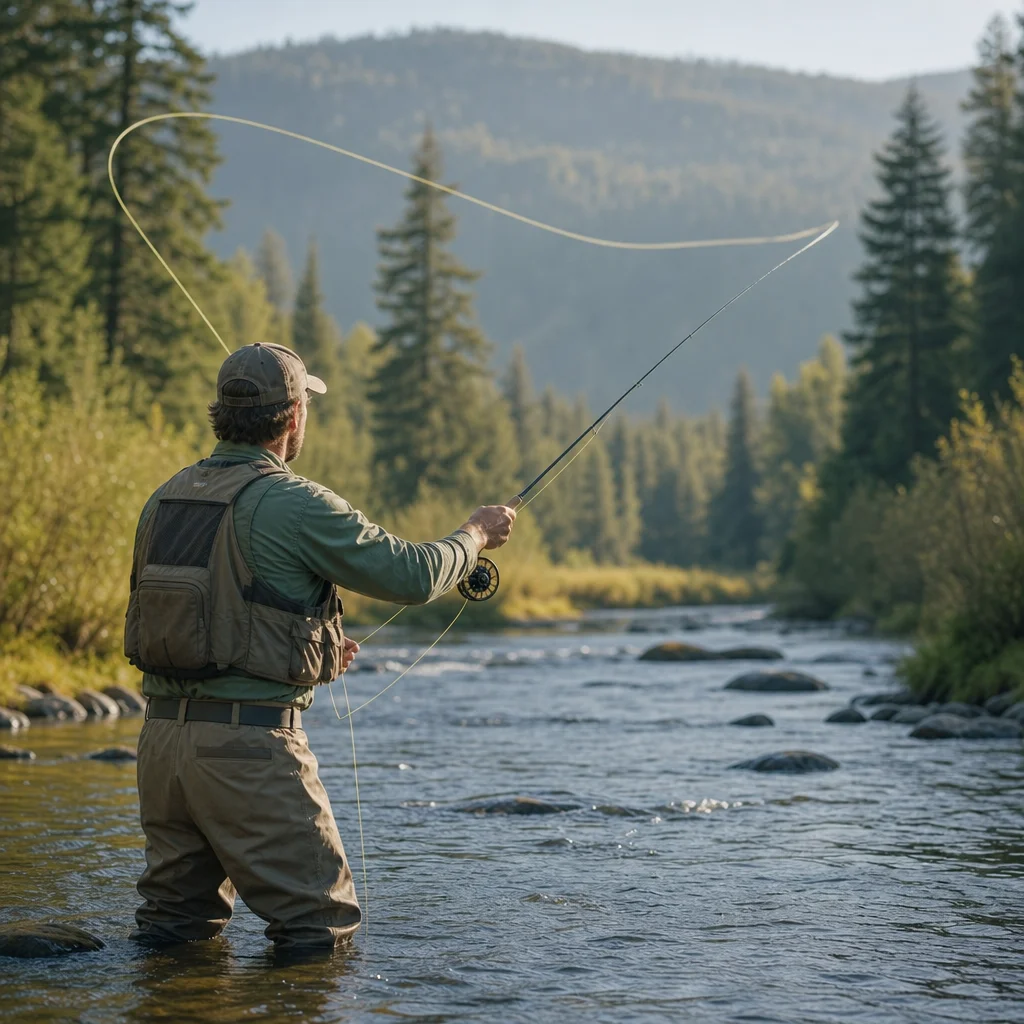
Start with coverage, not a pattern collection
A fly box becomes heavy when every new pattern feels like a separate answer to the same fishing problem. For three-season trout fishing, you usually need a small system that handles changing insects, water levels, light, and presentation—not dozens of nearly identical flies.
Think of your box as a set of solutions. Each fly should earn its space by doing at least one of these jobs:
- Imitating a major food group
- Working in a particular part of the water column
- Giving you a different size or visibility option
- Solving a common condition, such as high water or a bright afternoon
For most temperate trout regions, “three-season” means spring, summer, and fall. That doesn’t mean one fixed box will match every river or hatch. It means you can build a dependable core and adjust a small section for local conditions.
Build the box around four food groups
You don’t need to organize your flies by brand, color name, or the order in which you bought them. Start with broad food groups. These are easier to remember and more useful when you’re standing beside unfamiliar water.
Mayflies
Carry a few dry-fly and nymph options that cover small, medium, and larger mayflies. Exact sizes depend on your local rivers, but a practical starting point is to select a small range rather than every size available.
For dry flies, include:
- A visible general mayfly pattern in a light or medium color
- A slimmer, more natural-looking pattern for selective trout
- A darker option for dim light or darker-bodied insects
For nymphs, include a few slender patterns and a few more robust patterns. Hare’s-ear-style, pheasant-tail-style, and slim bead-head nymphs can cover a wide range of situations without pretending to imitate one specific species perfectly.
The common mistake is carrying five shades of one mayfly pattern while having no fly that fishes deeper or appears more clearly in broken water. Change the job before you change the shade.
Caddis
Caddis are useful because they can appear in several forms: drifting larvae, pupae, adults, and egg-laying adults. A compact box should reflect that progression.
Consider carrying:
- Greenish or tan larva patterns
- A darker or amber pupa-style pattern
- An adult caddis dry fly with a reliable profile
- An emerger or soft-hackle option
Caddis patterns often work well when trout are feeding near the surface but aren’t committing to fully adult insects. If you only carry the high-floating adult, you’re missing the stages trout may see most often below the film.
Stoneflies
Stoneflies can be important in some streams and nearly irrelevant in others, so avoid giving them half your box by default. A few larger nymphs and one or two adult patterns are usually enough for a general three-season system.
Stonefly nymphs can also serve as searching flies in deeper or faster water. Choose patterns that are easy to see, durable enough for rough water, and weighted in more than one degree if your setup allows it.
A large foam adult can be useful in warmer months or around bankside cover. Keep at least one version that lands softly enough for calmer water; oversized, noisy flies aren't automatically better just because they’re easier for you to see.
Terrestrials
Ants, beetles, and grasshoppers become especially useful when insects are active along the banks. They’re also valuable when there’s no obvious hatch and trout are looking upward opportunistically.
A compact terrestrial group might include:
- A small ant
- A visible beetle
- A medium hopper or other grasshopper-style fly
- A low-profile terrestrial for cautious fish
Terrestrials aren't only summer flies. Wind, overhanging vegetation, and warm bank-side habitat can make them relevant whenever land insects are available. Carrying a few sizes and silhouettes is more useful than carrying a complete color chart.
Add flies for the water column
Insect groups tell you what the trout may be eating. Water-column coverage tells you where your fly can reach them.
Surface flies
Carry a modest group of dry flies and emergers. Include both high-floating, easy-to-see patterns and lower-profile patterns that look less conspicuous on calm water.
A useful surface box doesn’t need a separate pattern for every hatch. It needs a few flies that differ meaningfully in:
- Size
- Profile
- Visibility
- Floating behavior
A large, bright dry fly and a small, low-profile emerger do different work. Two nearly identical high-floating dries in slightly different shades may not.
Subsurface flies
Nymphs should make up a substantial part of a beginner’s box because trout often feed below the surface even when no hatch is visible. Include slim and bulky profiles, light and darker tones, and at least a couple of weighting options.
Add one or two soft-hackle or wet-fly-style patterns if they’re useful in your local water. These can provide movement during a swing or controlled drift and may cover an intermediate presentation without requiring a separate collection of specialized flies.
Streamers
A few streamers can cover searching, bank fishing, deeper pools, and larger-water situations. Choose patterns in at least two contrasting sizes or profiles, such as a smaller minnow imitation and a larger, more substantial baitfish pattern.
You don’t need a streamer box full of every possible combination of material and color. Focus on flies that you can cast comfortably and fish at different speeds. A fly that looks good but repeatedly tangles your leader isn’t useful coverage.
Choose sizes by purpose
Beginners often buy a pattern in every size listed on the package. That approach adds weight quickly without adding much flexibility.
Instead, select sizes that answer different questions:
- What size matches the smallest common insects?
- What size is visible enough for you to track?
- What size suits faster or deeper water?
- What size works when trout are cautious?
For many core patterns, two or three sizes are enough to start. The smallest size should be practical for your eyesight, tippet, and casting ability. A technically correct fly that you can’t see or present cleanly may not be the best choice for a traveling angler.
Keep duplicates for flies you expect to lose or use heavily, especially durable nymphs, common dry flies, and patterns that are difficult to replace on the road. Reduce duplicates of experimental patterns until you know they earn repeat space.
Use a simple box layout
A compartmented box can work well, but the layout matters more than the style. Divide the box into sections based on decisions you’ll make on the water:
- Dry flies and emergers
- Nymphs and soft hackles
- Terrestrials and larger surface flies
- Streamers
- Spare space for local additions
Within each section, group flies by approximate size or use. For example, keep small and large dries apart, or put heavier nymphs in a separate row from lightly weighted ones.
Leave some empty space. A box packed tightly is harder to inspect, and flies with crushed hackle or bent materials won’t perform as intended. Empty compartments also give you room to add a local pattern after you learn what the water is showing you.
A waterproof or water-resistant box is helpful when traveling, but any box should be allowed to dry before it’s closed for long storage. Damp flies and trapped moisture are a poor combination for hooks and materials.
Check the local menu: Before a trip, compare your core box with recent local hatch information, shop advice, or observations from the water you’ll fish. Adjust a few patterns and sizes for that location rather than rebuilding your entire collection.
Pack by conditions, not just seasons
Seasonal labels are useful, but water conditions often matter more than the calendar. Create small subgroups for the situations you’re most likely to encounter.
Clear, low water
Favor smaller flies, lighter presentations, and patterns with restrained profiles. Carry a few nymphs that aren't heavily weighted, along with subdued dry flies and emergers.
High or stained water
Add flies that are easier to detect and capable of reaching fish. Larger nymphs, brighter indicators when permitted and appropriate, and more visible dries can help you track the drift. The exact setup should match your casting ability and local practices.
Fast water
Use flies that remain stable and visible. Heavier nymphs may be useful, but don’t make every fly heavy. You’ll want some lighter options for seams, margins, and slower pockets.
Bright, calm conditions
Carry smaller, less flashy patterns and be ready to lengthen your leader or refine your presentation. A box full of bulky, highly visible flies won’t solve a delicate-presentation problem.
Avoid the mistakes that make boxes bulky
Mistake: buying before identifying the gap
After each outing, note what you needed but didn’t have. Was it a smaller dry, a deeper nymph, a more visible pattern, or a fly that handled wind? Buy to fill that gap.
Mistake: treating color as the main variable
Color matters, but size, profile, depth, and movement often matter just as much. Before adding another color, ask whether a different stage or fishing depth would give you more options.
Mistake: carrying flies you can’t fish effectively
If a fly requires a technique or cast you haven’t practiced, keep one or two as a learning option rather than filling a compartment with them. Your box should support your fishing, not create a list of obligations.
Mistake: forgetting replacement supplies
Carry a few spare leaders or tippets suited to your usual fishing, along with floatant or other basic fly-care supplies appropriate to your setup. A compact fly box is less useful if a damaged leader ends the day’s choices.
A practical starting checklist
Before your next three-season trip, aim for a box containing:
- A small selection of mayfly dries, emergers, and nymphs
- Caddis larvae, pupae, and adult-style patterns
- A few stonefly nymphs and, where relevant, adult patterns
- Ants, beetles, and one or two hopper-style flies
- Lightly weighted and heavier nymph options
- A few streamers in contrasting sizes or profiles
- More than one size for your most dependable patterns
- A little extra room for local flies and replacements
The goal isn’t to predict every trout’s preference. It’s to carry enough useful differences that you can respond without carrying an entire fly shop. Start with broad coverage, remove duplicates that never leave the box, and let each trip show you what deserves another slot.