How to Build a Small Fly Box for an Unfamiliar Tailwater
I’ll help you build a compact tailwater fly box around insect groups, fishing depths, and presentation changes, so you can travel with useful options instead of a crowded collection of hopeful guesses.
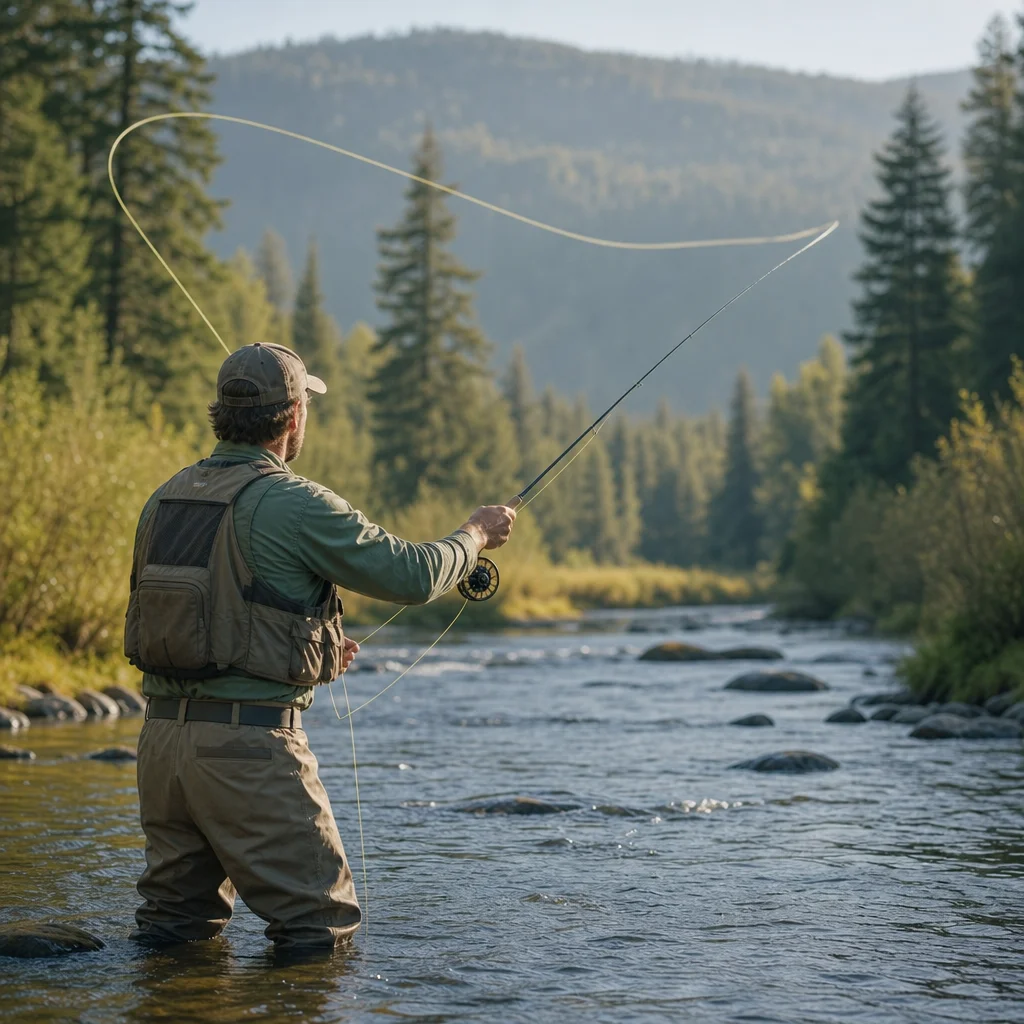
A new tailwater can make a well-organized fly box feel strangely inadequate. The river may be clear and technical one day, slightly stained the next, and influenced by dam releases that change both depth and current speed before you’ve settled into a rhythm.
The answer isn’t to bring every pattern in the shop. Build a small box around the decisions you’ll actually make: what is available to the trout, where the fish are holding, and how your fly needs to move—or not move—to reach them.
Start with a river-specific information check
Before choosing flies, learn what kind of tailwater you’re visiting. “Tailwater” describes a river below a dam, not a single set of conditions. Some are springlike and cold year-round. Others warm seasonally, carry substantial sediment, or change quickly with power generation and water releases.
Look for current information from several useful sources:
- The local fishing report, if one is available
- A state or provincial fisheries agency
- The dam or reservoir operator’s release information
- Local fly shops, guides, or established angling clubs
- Recent observations about clarity, flows, access, and hatches
You’re trying to answer four practical questions:
- Which insects are commonly important at the time of your visit?
- Are trout feeding primarily near the surface, in the middle of the water column, or close to the bottom?
- How quickly can flow and wading conditions change?
- Which flies are legal and sensible to use under current local rules?
Check the release and access picture: Before you wade or plan a specific section, verify current flow information, warning systems, access restrictions, and local fishing regulations. Tailwater conditions can change faster than a comfortable plan can adapt.
This research should narrow your box, not turn your trip into a homework assignment. If reports disagree, pack a few flexible patterns and plan to observe the river when you arrive.
Build around insect groups, not famous patterns
A small box works best when each fly has a job. You don’t need a dozen versions of a popular pattern if they all imitate the same food at the same depth.
For an unfamiliar North American tailwater, begin with these broad groups and adjust them to local information.
Midges and other small pupae
Midges are common in many tailwaters, especially in cold water and during periods when larger insects aren’t active. Carry a few small larva, pupa, and adult-style patterns in subdued colors such as black, gray, brown, or olive.
The exact size matters less than having a sensible small option and a slightly larger option. Extremely tiny flies may be appropriate in clear water, but they’re harder to see, harder to tie on, and less pleasant to handle in wind. A small visible indicator fly or a suitable dropper arrangement can make the setup more manageable, where local rules permit it.
Blue-winged olives and other small mayflies
Small mayfly nymphs and emergers are useful when trout are feeding below the surface or rising selectively. Carry one or two nymph profiles, an emerger, and a dun or spinner-style dry if local reports suggest surface activity.
You don’t need a perfect imitation for every stage. A slim nymph, a soft emerger, and a low-floating adult can cover several situations. Choose patterns you can see and fish confidently rather than tying your box to a single shade that may only be correct for an hour.
Caddis
Caddis can matter in tailwaters even when you don’t see a dramatic hatch. Trout may take caddis larvae and pupae below the surface, while adults and egg-laying patterns become useful during concentrated activity.
A simple greenish, tan, or brown caddis pupa and a reliable adult pattern usually earn space. If the river is known for prolific caddis, add a soft-hackle or emergent style that can be swung or gently lifted at the end of a drift.
Scuds, sowbugs, and other bottom food
These patterns are especially useful where tailwater habitat includes aquatic vegetation, stable margins, or nutrient-rich sections. They can be effective year-round, but their importance varies greatly from river to river.
Carry a few in natural gray, olive, or tan tones when local information supports them. They’re also good examples of why a fly box should reflect the river’s food base rather than a generic national list.
Stoneflies and larger nymphs
Some tailwaters support substantial stoneflies or other larger aquatic insects; others don’t. Don’t automatically fill half your box with big rubber-legged nymphs because they’re versatile in many freestone streams.
If the river has suitable habitat and reports mention stoneflies, carry a small number of larger nymphs. Otherwise, one or two heavier attractor-style nymphs may be enough to cover deeper water without consuming valuable space.
Terrestrials and streamers
Warm months can make ants, beetles, and grasshoppers useful along grassy banks and overhanging vegetation. Carry a few terrestrial patterns when the season and surroundings support them.
A couple of streamers can also be worthwhile, particularly for covering deeper banks, low-light periods, or larger trout. Keep the selection restrained: one light or natural baitfish option and one darker or more suggestive pattern may be enough for a short trip.
Use depth as the organizing principle
When trout ignore a fly, the problem may not be the imitation. It may be that the fly is traveling at the wrong depth.
A compact box should include ways to cover three broad zones:
- Near the surface: dries, emergers, soft hackles, and lightly weighted nymphs
- Midwater: bead-head nymphs, pupa patterns, and adjustable nymph rigs
- Near the bottom: heavier nymphs, split-shot-compatible systems where legal, and patterns suited to deeper holding water
You don’t need every fly in three weights. Instead, vary the weight, bead size, or rigging method of a few dependable patterns. A slim unweighted or lightly weighted fly can fish shallow riffles, while a heavier version can reach a deeper seam.
Depth should be changed deliberately. If your fly is ticking bottom continuously, hanging up, or causing an unnatural drag, reduce weight, adjust the leader, or move to shallower water. If the fly never reaches the feeding zone, add weight only when the rules and conditions allow it.
Include presentation changes without adding many flies
The same general imitation can behave very differently depending on how you fish it. This is where a small box gains much of its usefulness.
Change the angle and drift
A downstream presentation may produce drag quickly, while a quartering cast upstream can give a nymph or emerger more time to travel naturally. In crosscurrents, reach casts and careful mending may matter more than changing flies.
If a trout follows or rises short, first consider whether the fly is moving too quickly, riding too high, or approaching from an awkward angle. A presentation adjustment costs no additional space in your box.
Change the depth before changing the color
On unfamiliar water, anglers often switch from olive to brown to black while keeping the fly at the same unproductive depth. Try changing depth first when the evidence suggests trout are holding lower.
Once you’ve covered the likely zone, then adjust size, profile, or color. This sequence keeps your decisions orderly and prevents a small box from becoming a small panic drawer.
Carry a few visibility solutions
Technical tailwaters can require tiny flies, long leaders, or subtle takes. Include a couple of patterns you can track in the light and conditions you expect, along with a way to detect a submerged fly if that approach is legal and appropriate.
A highly visible dry can serve as an indicator in some situations, but it won’t replace careful line control or close observation. Don’t choose a fly solely because it is easy to see if its size and profile are completely wrong for the water.
A compact starting layout
For a day of exploration, a box of roughly 12 to 18 useful patterns can be enough. The precise count matters less than avoiding redundant choices. One possible layout is:
- Three or four midge and small mayfly patterns
- Three or four general nymphs, including at least one heavier option
- Two caddis patterns
- One or two scud, sowbug, or local-food patterns
- Two dry flies or emergers
- Two terrestrials or streamers, selected for the season
- A few duplicates of the flies most likely to be lost or heavily used
The duplicates are important. A small box with one of everything may look versatile but can leave you finished after a snag, a damaged tippet, or an unexpectedly productive pattern. Duplicate your confidence flies before adding an obscure possibility.
Choose hooks and materials that suit the river’s likely trout and conditions. Extremely delicate patterns may be frustrating around woody structure, while oversized flies can be needlessly conspicuous in clear, low water. Your box should balance imitation, durability, visibility, and ease of use.
Let the river edit the box
When you arrive, spend a few minutes observing before tying on. Check the margins, shallow riffles, foam lines, rocks, vegetation, and slower water. Look for adults, shucks, nymph casings, rising trout, and baitfish activity. A seine sample can be informative where permitted and handled responsibly, but you can often learn enough without disturbing the riverbed.
Then make one change at a time. Start with the most plausible food source and depth. If the fly isn't producing, change presentation or depth before changing the entire category. Keep brief notes about what worked, where trout held, and how flow affected the setup.
On the next trip, remove patterns that never had a clear purpose and add only what your observations justify. Over time, your compact box becomes tailored to the tailwaters you actually fish rather than to every possibility you can imagine.
Your next-step checklist
Before leaving for unfamiliar tailwater, make sure you can answer these questions:
- What are the likely insects for the season and section?
- Do you have surface, midwater, and deeper options?
- Are there duplicates of your most useful flies?
- Can you alter depth and presentation without replacing every pattern?
- Have you checked current releases, access information, safety warnings, and regulations?
- Is the box organized so you can find a small fly or heavier nymph quickly?
A small fly box won’t eliminate uncertainty. It will give you a manageable way to respond to it. Bring a few well-chosen food groups, enough weight and profile variation to reach likely feeding zones, and the patience to let the river tell you what deserves to stay tied on.