How to Build a Trout Fly Box for High-Elevation Lakes
I’ll help you build a compact high-elevation lake fly box that covers the mistakes most often exposed by alpine weather, selective trout, and long walks from the trailhead. You’ll learn what to pack for stillwater nymphing, terrestrials, leeches, wind, and quick recovery when your first plan fails.
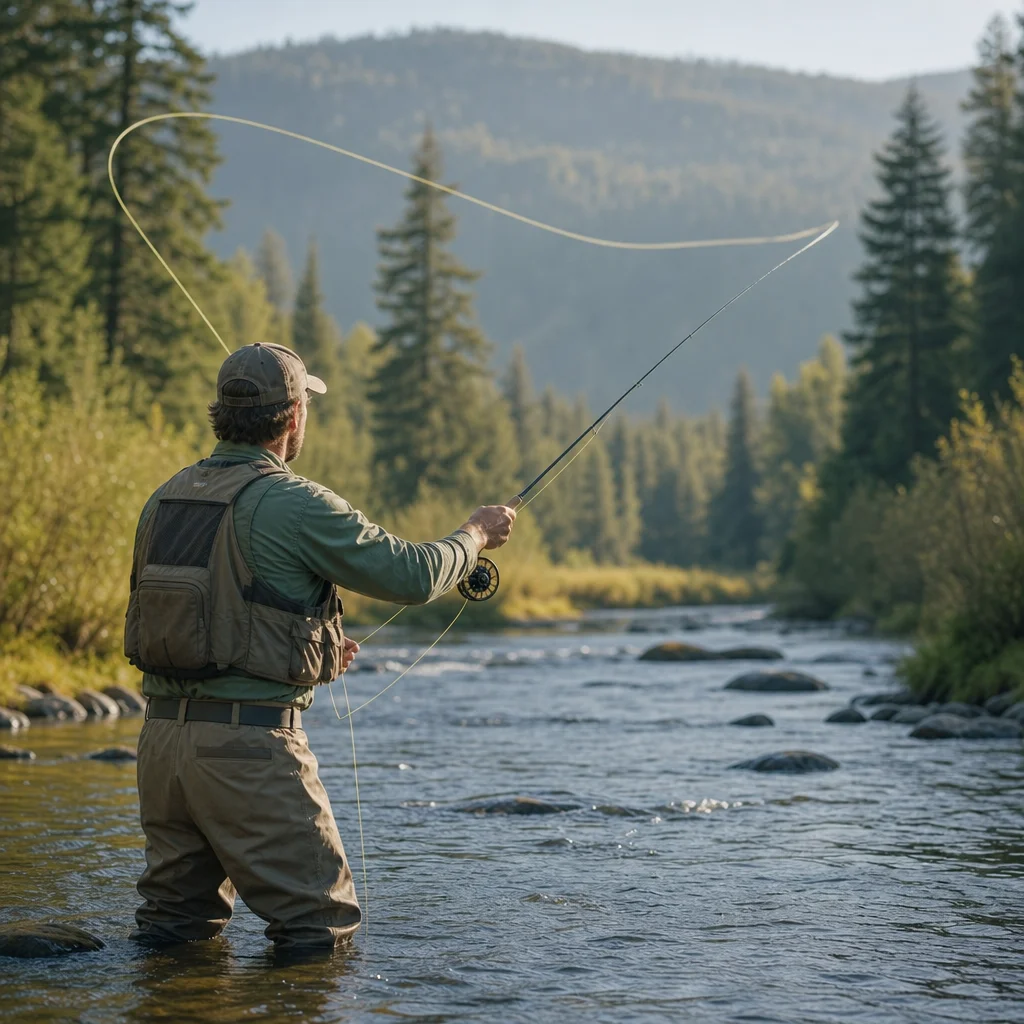
High-elevation lakes punish an overconfident fly box. A warm afternoon can bring ants and beetles, while a cold front may push trout deep; wind can turn a delicate presentation into a tangle before the fly reaches the water. Carry too many patterns and you’ll haul unnecessary weight. Carry too few and one failed hatch can leave you improvising with the least suitable fly in the box.
The useful approach isn't to copy a giant stillwater catalogue. Build a compact selection around food categories, water depth, presentation problems, and recovery options. Your box should help you answer four questions:
- What are trout likely to be eating?
- Where in the water column are they feeding?
- Can I present the fly in today’s wind and light?
- What can I change if the first idea produces nothing?
Start with a compact box structure
A small waterproof fly box with compartments or labeled rows is usually enough for a day trip. Organize it by function rather than by the order in which you bought the flies:
- Stillwater nymphs for trout feeding below the surface.
- Leeches and baitfish imitations for searching and moving water.
- Terrestrials for warm, breezy, or shoreline-oriented feeding.
- Emerger and dry-fly options for visible surface activity.
- Wind-resistant and recovery flies for difficult conditions.
For each category, carry a few dependable patterns in a narrow range of sizes instead of many near-duplicates. Two or three patterns in two or three sizes can cover more situations than a dozen patterns that all imitate the same food and fish at the same depth.
Keep a few spare leaders and tippet sections outside the fly box if possible. A broken-off fly is inconvenient; a broken-off fly followed by a search through every compartment is how a short stop becomes an unplanned afternoon of inventory management.
Build the core: stillwater nymphs
Nymphs are the foundation of a high-elevation lake box because trout often spend more time feeding below the surface than rising visibly. Cold water, changing light, and wind can make surface clues scarce even when subsurface feeding is steady.
Carry slender and suggestive profiles
Include a balanced or unbalanced pheasant-tail-style nymph, a hare’s-ear-style nymph, and at least one darker slim-bodied pattern. These cover general mayfly-like and small aquatic-insect impressions without requiring a precise hatch match.
Useful variations include:
- Bead-head nymphs for getting down quickly.
- Unweighted or lightly weighted versions for suspended fish and shallow margins.
- Flashback or subtle flash versions when light is low or the water has a little color.
- Thin-bodied patterns for clear water and cautious trout.
- Larger, more visible versions when wind, chop, or depth makes a tiny fly hard to track.
A chironomid or midge-style pupa is worth space in many mountain-lake boxes, particularly where trout cruise slowly and inspect suspended food. Carry a couple of muted versions and a couple with a more visible rib or thorax. You don’t need every color variation; water clarity and the natural insects you observe should guide the adjustment.
A small damselfly or dragonfly nymph can also be valuable around weedy margins, submerged vegetation, and warmer shorelines. These flies are less universal than general nymphs, so treat them as a targeted addition rather than the center of the box.
Include a way to fish the depth
The right fly at the wrong depth is still the wrong presentation. Your box should support at least three approaches:
- A lightly weighted nymph under an indicator or another suspension system.
- A bead-head nymph fished on a sinking or intermediate setup.
- A slim nymph or pupa presented slowly in the upper layers.
You don’t need to carry every possible sinking line to make these choices. The important point is to pair the fly with a method that reaches the feeding zone without dragging unnaturally through it.
If you’re unsure where trout are holding, begin near the depth suggested by visible cruising fish, shoreline drop-offs, weed lines, or submerged structure. Change depth methodically rather than switching flies every few minutes.
Add leeches and baitfish for searching
Leeches are among the most useful search patterns for mountain lakes. They’re easy to animate, visible in wind-disturbed water, and relevant in lakes with little obvious insect activity. Carry black, brown, olive, and perhaps a muted rust or wine shade if those colors commonly occur in your local waters.
Select a few sizes rather than filling a row with color duplicates. Smaller leeches suit clear, calm conditions and cautious trout. Larger versions can help in wind, low light, or when you need the fly to stand out over deeper water.
Fish leeches with several retrieves available:
- A slow hand-twist retrieve near the bottom.
- Short strips with pauses.
- A steady, moderate retrieve when trout are chasing.
- A drifting presentation after the fly settles.
A sparse sculpin, minnow, or fry imitation can be useful where larger trout patrol drop-offs, inlet areas, or rocky shorelines. Keep these patterns modestly weighted and compact enough to cast safely in wind. They’re a recovery option when small nymphs are being ignored but fish are clearly willing to chase something.
Make room for terrestrials
High-elevation lakes often have exposed shorelines, meadows, willow growth, and surrounding slopes that contribute ants, beetles, grasshoppers, and other land-based food. Wind is especially important: it can push terrestrials onto the water even when no obvious hatch is taking place.
A compact terrestrial group might include:
- Foam or hair-backed ants in a couple of sizes.
- Beetles in black, brown, or a dark earthy shade.
- A few grasshopper patterns if the lake is bordered by open grassland or sage country.
- A visible terrestrial that can support a small dropper when surface feeding is uncertain.
Don’t treat terrestrial fishing as an all-or-nothing surface gamble. If trout are rising near a bank but refusing a dry, try a terrestrial with a small nymph below it. If the wind is moving the fly too aggressively, shorten the dropper or fish the terrestrial alone with a more natural drift.
Foam-bodied patterns are often practical because they remain visible and tolerate repeated casting. They aren’t automatically more effective, though. In calm, clear water, a slimmer and less conspicuous ant or beetle may be the better choice.
Prepare for surface activity without overfilling the box
You’ll want a small selection of dry flies for mayflies, midges, and general searching. Choose patterns you can see and present cleanly rather than carrying every local variation.
Consider including:
- A few parachute-style mayflies in small and medium sizes.
- Midge or small emerger patterns for calm water and subtle rises.
- A general attractor dry for searching around structure or along a windward bank.
- A larger high-visibility dry that can act as an indicator when paired with a nymph.
High-elevation weather can change quickly. A dry that looked appropriately delicate in the morning may become impossible to see once the lake develops a wind chop. That’s when a larger, more visible pattern becomes a practical tool rather than an admission that you’ve abandoned finesse.
Pack wind-resistant options on purpose
Wind isn't a minor inconvenience in alpine country. It affects casting, leader turnover, fly visibility, drift speed, and your ability to detect a take. Your box should include patterns selected specifically for recovery when conditions deteriorate.
Useful wind-ready choices include:
- Heavier bead-head nymphs that reach depth despite surface disturbance.
- Compact leeches that cast more cleanly than bulky articulated patterns.
- Foam terrestrials that remain visible in chop.
- Short-profile streamers with limited materials to reduce fouling.
- Durable flies with secure thread wraps for repeated false casts.
When the wind rises, first simplify the cast and adjust your body position. Then consider a shorter leader, a heavier or more compact fly, and a retrieve that keeps the line under control. Swapping to an oversized fly without addressing slack and casting angle usually creates a larger problem.
Use a troubleshooting system when nothing works
A good fly box supports a sequence of decisions. It shouldn’t encourage random changes every five minutes.
If you see no fish and no signs of feeding
Start with a searching pattern: a leech, a general nymph, or a streamer suited to the water depth. Cover likely travel routes such as drop-offs, points, inlet zones, and the edges of submerged vegetation.
Change one variable at a time. Try a different depth before changing from a leech to a mayfly imitation. If the retrieve is too fast for cold water, a new fly won’t solve the underlying problem.
If fish follow but don’t eat
The fly may be too large, too bright, or moving unnaturally. Downsize first, reduce flash, and lengthen the pause between strips. A slender nymph or smaller leech can be a sensible follow-up to an ignored streamer.
If trout turn away near the boat or bank, stop making large changes. That response is useful information: the general food category may be acceptable, but the profile, speed, or leader presentation needs refinement.
If trout rise but refuse your dry
Observe the rise form and the surrounding water. Tiny dimples may suggest small suspended insects, while more confident takes near the bank may point toward terrestrials. Try a smaller, slimmer pattern before switching to a completely different category.
If the surface is broken by wind, a dry may be difficult to track and drift poorly. Use a more visible pattern, add a small nymph if appropriate, or return below the surface with a lightly weighted fly.
If the fly keeps fouling
Check the materials, knot, tippet, and retrieve. Long tails and soft hackle can wrap around the hook or leader after a forceful cast. Shorten or trim only if the pattern’s function remains intact; otherwise choose a simpler fly from the box.
A fouled fly isn't a failed hatch match. It’s a presentation problem, and the fastest recovery may be a more compact pattern.
Check the lake’s rules before you rig: Regulations can vary by lake, drainage, season, species, hook style, number of flies, and permitted tackle. Confirm the current rules for your specific water in the applicable Western U.S. or Canadian jurisdiction, and check access or closure notices before setting out.
A practical packing list
For a compact day box, use this as a starting framework rather than a fixed pattern prescription:
- 6–10 general nymphs in mixed weights and sizes.
- 4–6 midge or chironomid-style flies.
- 4–6 leeches in dark and natural shades.
- 2–4 baitfish, sculpin, or streamer patterns where local conditions justify them.
- 6–8 terrestrials, including ants, beetles, and a few hoppers where appropriate.
- 4–6 dries and emergers for visible surface activity.
- 3–5 larger or more visible flies for wind and rough water.
Some of these categories can overlap. A large foam terrestrial can serve as a dry, an indicator, and a wind-resistant searching fly. A bead-head leech may cover both searching and deeper presentations. The goal is useful coverage, not a particular number of flies.
Keep the box suited to the trip
Before leaving, remove flies that don’t match the water you’ll fish. A remote hike to a small, clear lake calls for a different selection than a drive-up reservoir with deep drop-offs and larger trout. Note what worked, what was ignored, and which flies were damaged or lost.
After the trip, dry flies completely before closing the box. Separate rust-prone hooks, replace damaged leaders, and restock the patterns that solved real problems rather than the ones that merely looked promising in the shop.
The best high-elevation lake fly box is compact, adaptable, and organized around recovery. Start with general nymphs, leeches, and a few terrestrials. Add surface and wind options that fit the local water. Then change depth, speed, and profile in a deliberate order when the first plan fails. That system will serve you better than carrying every fly that might possibly imitate something beneath the mountain sky.