How to Choose Streamer Colors in Clear, Cloudy, and Stained Water
I’ll clarify how water clarity and light change a streamer’s visibility, then give you a simple color process for clear, cloudy, and stained conditions. You’ll also learn how to recover when your first choice earns no response.
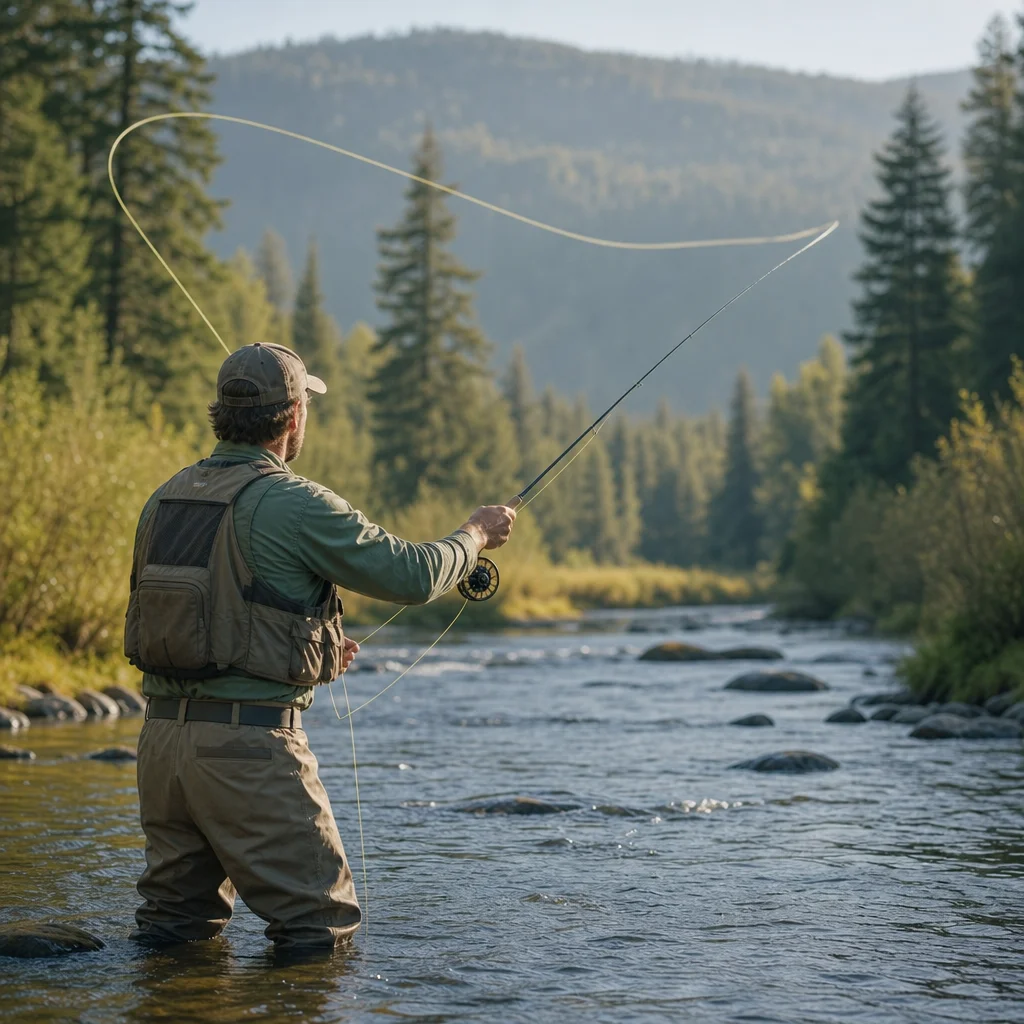
Choosing a streamer color is rarely about finding one universally “best” pattern. The useful question is whether a trout can detect your fly clearly enough to track it—and whether the fly looks believable in the water you’re fishing.
Water clarity matters, but it’s only part of the decision. Cloud cover, depth, current speed, surface glare, and the streamer’s movement all affect visibility. A color that works beautifully in clear, bright water may disappear in shade or muddy flow. A dark fly can be excellent in stained water, but not because trout always prefer dark colors; it creates a strong outline when other details are lost.
A good approach is to choose a starting color based on visibility, then adjust based on the fish’s response.
Start with contrast, not color names
Streamers are often discussed in categories such as olive, black, white, yellow, or orange. Those labels are useful, but they don’t tell you exactly how a fly will appear under changing conditions.
What trout often need first is a detectable shape. Contrast between the streamer and its surroundings helps the fish locate it, especially when the fly is moving quickly or crossing broken water.
A simple way to think about the major color groups is:
- Dark colors: Strong silhouettes against bright skies or lighter water.
- Light colors: More visible in deep water, shaded water, or against dark backgrounds.
- Bright or warm colors: Noticeable when water carries color or when you need a stronger visual signal.
- Natural blends: Less visually aggressive and often useful when trout have plenty of time to inspect the fly.
This doesn’t mean a trout sees only a silhouette. Flash, profile, motion, and the fly’s overall size also matter. Color is one control in the system, not the entire system.
Clear water: begin natural, then manage visibility
Clear water gives trout more opportunity to inspect a streamer. That can make natural colors a sensible starting point, especially when the fish are holding in shallow water, moving slowly, or following the fly for several feet before deciding.
Try colors that suggest common forage or blend with the river’s surroundings:
- Olive and olive-brown
- Gray and silver
- Tan or muted yellow
- Brown, black, and subdued combinations
- White or pale colors when baitfish are the likely target
In bright sunlight, a darker streamer can offer a clean profile against the surface or a bright bottom. Black, dark olive, and deep brown are useful choices when a lighter fly seems to disappear in glare.
In clear water with heavy shade, a lighter or more reflective pattern may be easier for trout to find. Silver, pearl, white, and pale olive can help you maintain visibility without immediately resorting to a highly fluorescent pattern.
When clear-water fish follow but don’t eat
A follow without a strike usually tells you more than a complete lack of interest. The trout has detected the streamer, so visibility may not be the main problem. Consider changing one variable at a time:
- Keep the color but reduce the fly’s size.
- Keep the size but use a more muted color.
- Change the retrieve speed or add pauses.
- Try a less flashy version of the same general color.
- Move the fly through a different depth or angle.
If the fish turns away as soon as it sees the fly, a less contrast-heavy pattern may help. If it follows but loses contact in the current, a more visible color or a different retrieve may be the better adjustment.
Cloudy water: increase definition without overdoing it
Cloud cover reduces glare and changes the background trout see. It can also make a streamer harder for you to track, particularly when the water is moving over a dark or complex bottom.
Cloudy conditions don’t automatically call for the brightest fly in your box. Start by increasing definition. Dark patterns often work well because they create a distinct outline against a brighter sky-lit water column. Black, dark olive, and dark brown are practical first choices.
If the water itself is clear but the light is flat, a natural streamer with a little flash can provide enough presence. Silver, pearl, or a restrained amount of tinsel may help trout find the fly without making it look excessively bright.
A useful cloudy-water progression is:
- Natural or muted color with moderate flash
- Darker version of that color for a stronger silhouette
- Bright accent or higher-contrast pattern if the fly is difficult to track or fish show no interest
This progression prevents a common mistake: jumping straight to an extremely bright streamer when a darker, better-defined profile would have been more appropriate.
Stained water: make the fly easy to locate
Stained water filters detail and shortens the distance at which trout can detect a moving fly. Here, visibility usually deserves more weight than subtle color matching.
Dark streamers are dependable starting points because they create a bold outline. Black, dark purple, deep olive, and dark brown can work well when the water is carrying sediment or tannin. Bright colors such as white, chartreuse, orange, or yellow may also be useful because they stand out as a distinct signal rather than blending into the background.
Which direction should you choose? Look at the type of stain and the available light.
- Tannin-stained water: Dark brown, black, olive, and orange can create useful contrast.
- Milky or sediment-stained water: High-contrast dark patterns and bright patterns are both worth testing.
- Deep or shaded stained water: A lighter body, bright accent, or reflective material may help the fly remain visible.
- Fast stained water: Prioritize a strong profile and clear color separation over subtle details.
The goal isn’t to make the streamer look natural from close range. It’s to help a trout notice, track, and intercept it before the current carries it away.
Don’t assume the brightest fly is always best
A fluorescent or highly contrasting pattern can solve a visibility problem, but it can also become too much in moderately stained water. If trout follow without committing, step down in intensity before abandoning the streamer approach altogether.
Try a dark body with a bright accent, or a natural body with a contrasting head or lateral line. Partial contrast often gives you a useful middle ground between an invisible fly and an aggressively bright one.
Adjust for depth and background
Water clarity changes with depth. A streamer that is visible near the surface may lose its identity several feet down, especially in a deep pool or lake drop-off. If you’re fishing deeper, consider a color with stronger contrast or more reflective material.
The bottom also matters. A dark fly can blend into a dark rocky run, while a pale fly may disappear over light gravel. Look at the water from the angle where you expect trout to see the streamer, not only from above.
Your line and retrieve influence this decision too. A fast-sinking line places the fly in darker water, where a lighter belly or flash may be useful. A streamer stripped quickly through broken current needs a recognizable outline. A slowly swung fly gives trout more time to inspect subtle color and material choices.
Use a simple decision process on the water
When you’re unsure, work through these questions:
- How much detail can the trout see? Clear water favors natural or controlled contrast; stained water favors stronger signals.
- What is the available light? Bright light often supports dark silhouettes, while shade may call for lighter or more reflective colors.
- What is behind the fly? Choose a color that separates from the bottom and surrounding water.
- How fast is the fly moving? Faster presentations generally benefit from a clear profile.
- Can you track the streamer? If you can’t see it, trout may struggle to locate it as well.
- What did the last fish do? A follow, bump, or refusal should guide the next change.
Start with a reasonable color, fish it long enough to cover likely water, and then change one feature. Switching from olive to black while also changing size, sink rate, and retrieve makes the result difficult to interpret.
A practical recovery sequence when the color isn’t working
If you’ve covered productive water without a response, use a structured reset rather than cycling randomly through the box.
First, improve detection
If the water is stained, the light is poor, or you’re fishing deep, choose a darker or brighter pattern that you can track. Confirm that the fly is reaching the zone where trout are holding.
Next, change the contrast level
If the first fly was natural and subtle, move toward a stronger silhouette or a brighter accent. If it was highly visible, try a muted version with a similar profile.
Then, test a different background
Move from bright water to shaded banks, deeper edges, or structure where a streamer can be seen clearly. Color changes are less useful if the fly remains outside the trout’s feeding lane.
Finally, revisit presentation
A color change can't compensate for a fly that is moving too fast, riding too high, or passing too far from cover. Adjust retrieve speed, depth, casting angle, or pause length before concluding that the fish rejected the color itself.
Keep a small, flexible color selection
You don’t need every shade available. A compact selection can cover most conditions:
- One natural olive, brown, or gray pattern
- One dark silhouette pattern
- One light or white baitfish pattern
- One brighter, high-contrast pattern
- One natural pattern with moderate flash
Carry variations in size and weight when possible. In many situations, changing the streamer’s profile or depth will matter more than moving from one nearly identical shade to another.
Practical next steps
Before your next outing, organize your streamers by function rather than by exact color: natural, dark silhouette, light, and high contrast. On the water, begin with the visibility level suggested by clarity and light, then let trout behavior determine your next adjustment.
If the fly is unseen, increase contrast. If trout follow but refuse, reduce intensity, alter the retrieve, or change size. If there’s no sign of fish at all, check depth and location before blaming the color. That process keeps streamer selection deliberate—and keeps a slow day from turning into a full-scale argument with your fly box.