Choosing Fly Size When Trout Ignore the Pattern You Know Is Working
Trout often reject a familiar pattern because its size, profile, depth, or movement is wrong for the moment—not because the fly is useless. I’ll show you how to adjust those variables methodically while avoiding risky wading, rushed changes, and unnecessary gear swaps.
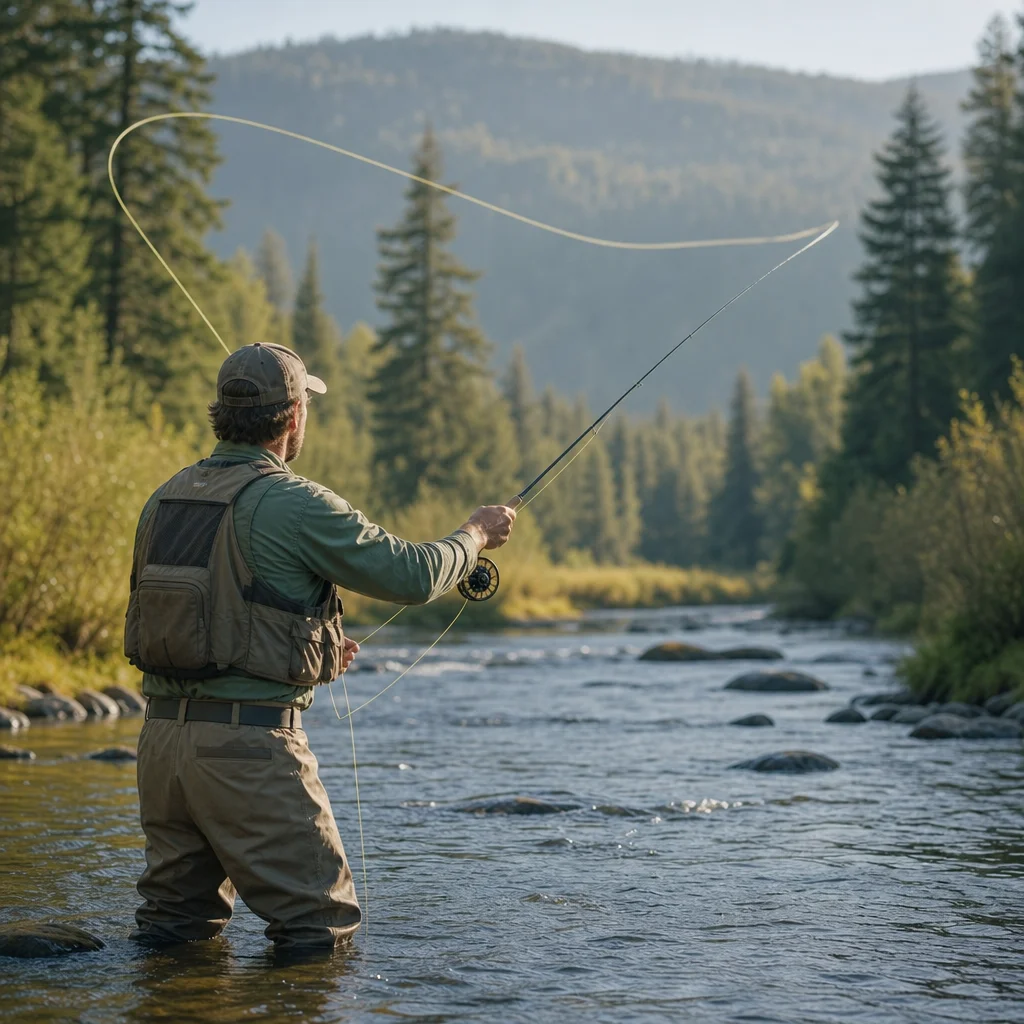
When trout ignore a fly that has worked in the same kind of water before, the instinct is often to abandon the pattern. That can be the wrong move. The trout may recognize the general food source but reject the fly because its size, silhouette, depth, or movement doesn’t fit what they’re seeing right now.
Changing size is usually the safest first adjustment because it preserves much of what you already know: the pattern’s color, materials, and general behavior. The key is to make one controlled change at a time instead of cycling through a box of flies while wading farther, casting harder, or losing track of what the fish are actually responding to.
Start by Separating Pattern From Presentation
Before changing flies, ask whether trout are refusing the pattern or simply failing to get a convincing look at it.
A good pattern can go untouched when:
- It’s drifting above or below the feeding lane.
- Drag pulls it unnaturally across the current.
- The tippet is too heavy or lands on the fish.
- The fly is moving when natural food is drifting.
- Your approach has put the trout on alert.
- The fly is visible to you but difficult for the fish to find.
Make the lowest-risk corrections first. Mend the line, lengthen the leader if conditions allow, change your casting angle, or move a few steps to improve the drift. These adjustments don’t require you to wade deeper or make a dramatic change to your tackle.
If the fly is drifting naturally through the right water and trout still show no interest, size becomes a sensible variable to test.
Match Size to What Trout Can Actually See
Fly size isn't just about copying the insect’s length. It also affects visibility, silhouette, landing disturbance, and how confidently a trout can inspect the offering.
A large fly may be appropriate when:
- The water is slightly stained.
- Wind or broken water makes small flies difficult to track.
- Trout are feeding aggressively.
- The natural food has a broad or substantial profile.
- You need enough visibility to monitor the drift safely.
A smaller fly may be better when:
- The water is clear and low.
- Trout have plenty of time to inspect the fly.
- Natural insects are small or sparse.
- Fish rise short or repeatedly refuse the same offering.
- Your fly looks oversized compared with what is on the water.
The important point is that “smaller” doesn’t automatically mean “more realistic.” A tiny fly that sits too low, sinks too quickly, or disappears from your view can make the presentation less effective and less controlled. If you can’t track the fly or indicator without constantly leaning, stepping, or casting again, the size change may create a safety problem without improving the drift.
Change One Size Step at a Time
When a known pattern stops working, avoid jumping from a large attractor to the smallest fly in the box. Make a modest adjustment first.
For example, if you’re fishing a size 14 nymph, try a size 16 version of the same pattern before changing color, bead, and material. If you’re using a size 18 dry fly, try a size 20 or a slightly slimmer version rather than immediately switching to an unrelated pattern.
This approach gives you useful information. If the smaller fly produces a response, size may have been the issue. If nothing changes, you can then consider profile, depth, or movement with more confidence.
A one-step change also reduces the chance of damaging your leader through repeated knot tying. Wet your knot before tightening it, check the tippet for abrasion, and trim waste carefully. A rushed change beside uneven footing is a poor trade for a fly that may not solve the actual problem.
Consider Profile, Not Only Length
Two flies can be the same length and appear completely different to a trout. Profile includes the fly’s width, height, density, and overall shape in the water.
A bulky dry fly may look too prominent even if its hook size matches the natural insect. A slim emerger can be more convincing when trout are feeding just below the surface. A sparse nymph may work better than a heavily dressed version because it presents a narrower outline and sinks differently.
When trout inspect and refuse a fly, reduce profile before assuming the entire pattern is wrong. You might try:
- A slimmer-bodied version.
- Fewer hackle fibers or less dubbing.
- A smaller thorax.
- A pattern with a lower wing or less foam.
- The same pattern without a bead.
These changes can preserve the general impression of the food source while making the fly less conspicuous. They’re especially useful in clear water, where a trout has time to compare your offering with the real thing.
Adjust Depth Before Making a Dramatic Pattern Change
A fly that’s the right size but at the wrong depth is still the wrong fly for that moment. Trout often hold where food is easiest to capture, not necessarily where the current is strongest or where the water looks most attractive from the bank.
If trout are rising, start near the surface and watch whether they’re taking adults, emergers, or insects trapped in the film. If you see no rises but notice feeding activity below, a nymph may need to reach the fish more quickly or stay in the feeding lane longer.
Useful depth changes include:
- Removing or adding weight.
- Changing the length of the dropper or tippet section.
- Using a lighter or heavier nymph within the same general pattern.
- Moving the cast slightly upstream or across the current.
- Adjusting the mend so the fly sinks without being dragged.
Don’t wade farther simply to reach a deeper-looking slot. First look for a safer angle, a longer reach from firm footing, or a position that lets the current carry the fly through the target water. A trout isn't worth a slip, a snapped rod, or a hurried retreat through strong current.
Keep the adjustment controlled: Change your fly or depth from stable footing whenever possible, and don’t let a difficult drift tempt you into deeper or faster water. If you can’t maintain balance and line control, reposition before trying again.
Evaluate Movement and Drag
Movement can reveal whether the issue is size or presentation. If trout follow, rise, or turn toward the fly and then reject it, the pattern may be close enough to interest them. The problem could be drag, an unnatural lift, or excessive twitching.
For a dry fly, inspect the drift from the trout’s point of view. A fly that looks natural from upstream can skate or pull from the fish’s position. Try a reach cast, an upstream mend, or a shorter presentation that gives the fly more drag-free travel.
For nymphs, check whether the fly is bouncing, lifting, or swinging unnaturally at the end of the drift. A lighter fly may move more naturally in shallow water, while a heavier version may be needed to reach a deeper seam. Neither choice is universally better; the goal is a controlled drift through the feeding lane.
If a trout repeatedly refuses after the fly passes over it, don’t immediately increase movement. In clear water, extra twitching often makes a nearly convincing fly look artificial.
Use Trout Behavior to Choose the Next Change
The fish’s response can guide your next decision.
No visible response
If trout never look at the fly, first check depth, location, and drift. The fly may be passing outside the feeding lane. A size change is less informative until the fly is reaching fish consistently.
Fish approach but turn away
This often points toward a mismatch in size, profile, or material. Try a smaller or slimmer version while keeping the general pattern recognizable.
Fish rise but miss or refuse at the surface
The fly may be too large, too high-floating, poorly positioned, or imitating the wrong life stage. A smaller version or an emerger-style profile can be a better test than a complete color change.
Trout take briefly and miss
Check hook size, hackle or material bulk, and how the fly sits in the surface film. Avoid striking harder or faster. A controlled, timely lift is safer for the fish and less likely to pull the fly away.
One trout refuses while others respond
Don’t overhaul your entire setup based on one fish. Trout differ in position, caution, and feeding preference. Make a small adjustment only if the same refusal repeats under similar conditions.
Protect the Fish While You Experiment
Repeated changes can turn a careful session into a string of unnecessary casts and hooked fish. Keep the process efficient. If you hook a trout, reduce handling time, keep it in the water whenever practical, and avoid dragging it onto rocks or dry ground. Wet your hands before touching it, support its body, and release it facing into gentle current only when it can swim away under its own control.
Use force appropriate to your tippet and the fish’s size. Excessively light tippet can prolong the fight, while an overly heavy setup may reduce the quality of the presentation in clear water. The best choice balances a convincing drift with the ability to land the fish promptly.
Handle hooks, nippers, and flies deliberately, especially when changing patterns in wind or low light. A fly that works isn't worth an injured hand or a rushed release.
A Simple Order of Operations
When a familiar pattern stops producing, work through the problem in this order:
- Confirm that trout are present and that your fly is reaching likely water.
- Improve drift and reduce drag.
- Adjust depth without moving into unsafe current.
- Change one size step while keeping the pattern similar.
- Alter profile by choosing a slimmer or sparser version.
- Reassess movement and the trout’s response.
- Change color or pattern only after these simpler tests.
This sequence protects you from two common mistakes: blaming the pattern for a presentation problem and making so many changes that you learn nothing from the result.
Practical Next Steps
The next time trout ignore a fly you trust, pause before reaching for a completely different box. Watch the drift, identify the fish’s response, and make the smallest useful change. A one-size adjustment, a slimmer profile, or a safer angle into the current may solve the problem while preserving the pattern’s strengths.
Keep a few size variations of your dependable flies, including sparse and more visible versions. With those options, you can adapt to clarity, depth, and trout behavior without turning every refusal into a new experiment—or every difficult cast into a reason to take an unnecessary risk.