How to Use Attractors When You Can't See Any Trout Food
When no hatch gives you a clear answer, prioritize visibility, depth, and a believable presentation before chasing endless color changes. I’ll show you how to choose an attractor pattern, test it methodically, and recognize when the presentation—not the fly—is the problem.
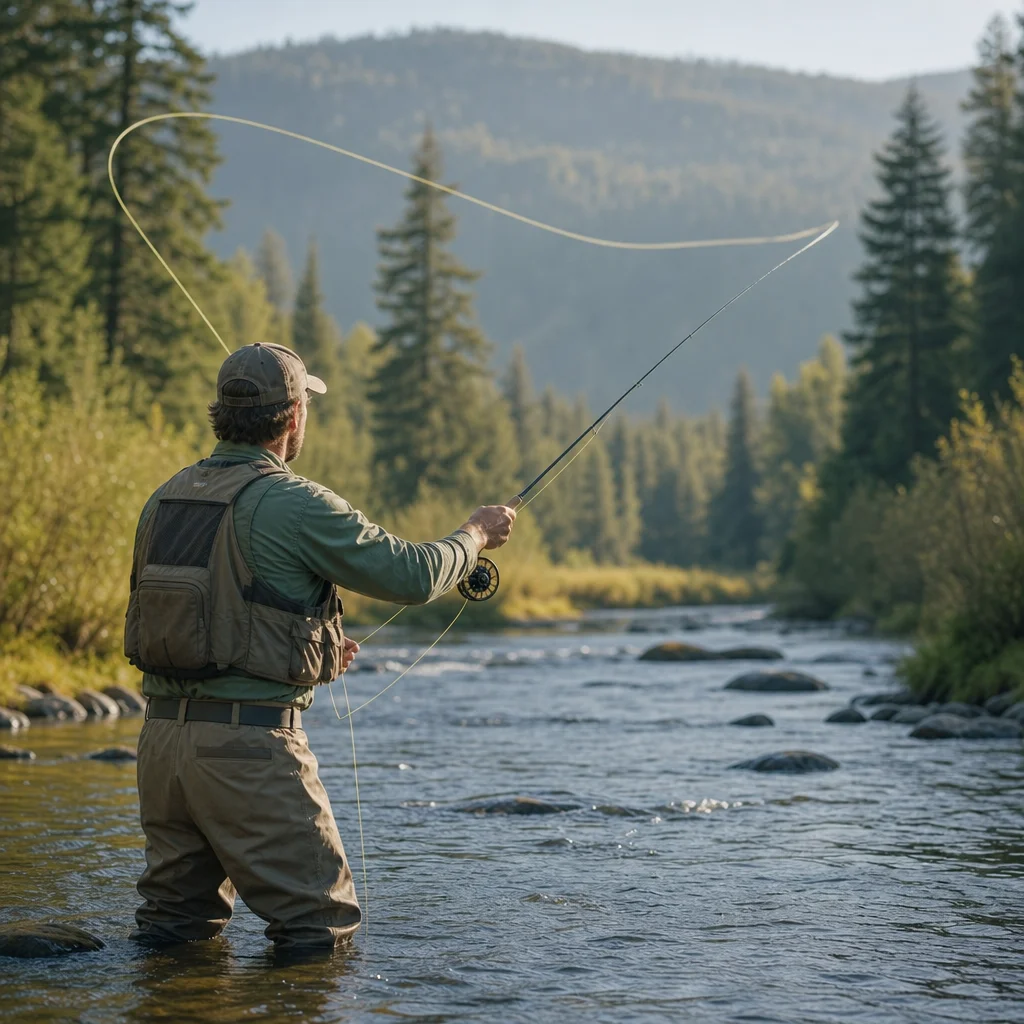
When you can’t see trout food, fly selection can feel like guessing. You have a box full of bright nymphs, foam terrestrials, and oversized dry flies, but no obvious hatch to tell you what belongs on the water.
That’s where attractors help. They don’t need to imitate one clearly identified insect. Instead, they suggest a meal through a combination of shape, movement, size, contrast, and position in the water. The goal isn’t to find a magic color. It’s to make a sensible first choice, observe the response, and change one important variable at a time.
What an attractor is—and what it isn’t
An attractor pattern is a fly designed to draw interest without closely matching the insect you can see—or, in many cases, without matching one specific insect at all. Examples include brightly colored nymphs, bead-head patterns with extra flash, foam terrestrials, and large, buoyant dry flies.
Some attractors still borrow features from real food. A bead-head nymph may resemble several types of aquatic insects. A foam beetle suggests a land-based insect that has fallen into the water. A flashy streamer can imitate a small fish, fleeing bait, or simply a vulnerable moving meal.
An attractor isn’t an excuse to ignore the water. Trout still respond to familiar fundamentals:
- They need to see or sense the fly.
- They prefer food that can be reached without wasting too much energy.
- They’re more likely to eat when the fly moves or drifts in a believable way.
- Their willingness to chase changes with depth, light, current speed, and fishing pressure.
Think of an attractor as a broad question: Will a trout investigate this? Your presentation determines whether the trout gets a good opportunity to answer.
Start with the water, not your fly box
Before choosing a pattern, spend a few minutes reading the situation. You’re looking for clues about where a trout might feed and how it can safely reach food.
Check the following:
- Water level and speed: Fast, broken water often favors a visible or heavily weighted fly. Slower water gives trout more time to inspect what you’re offering.
- Depth: If fish are holding close to the bottom, a dry fly may be easy for them to ignore, regardless of how attractive it looks to you.
- Light: Bright conditions can make excessive flash or a stark silhouette less convincing. Low light can make contrast and visibility more useful.
- Cover: Bankside vegetation, overhanging trees, and grassy edges increase the chance that terrestrial insects are reaching the water.
- Current seams: Trout often hold where fast and slow water meet, allowing them to feed while spending less energy.
- Visible fish behavior: Rising fish, flashes below the surface, and short chases tell you more than the absence of a hatch does.
“No visible hatch” doesn’t mean “no food.” Trout may be eating nymphs below the surface, small organisms drifting in the current, or occasional terrestrial insects that are difficult to spot from the bank.
Choose the first attractor by job
Instead of asking which pattern is best, ask what you need the fly to do. Your first fly should solve a specific problem.
Use a dry attractor when surface opportunity is plausible
A buoyant attractor dry can work when trout are willing to look upward, especially around pocket water, shaded banks, riffles, and areas with nearby vegetation. It can also serve as an indicator for a smaller nymph when conditions and local rules allow that setup.
Choose a pattern you can see and keep floating. A highly detailed pattern that disappears in the glare is less useful than a simple, visible fly you can track.
A dry fly is a weaker first choice when the water is cold, deep, extremely fast, or showing no signs of surface activity. It may still catch a fish, but you shouldn’t interpret a refusal as proof that attractors don’t work. The trout may simply be feeding lower in the water column.
Use an attractor nymph when depth is the main uncertainty
A nymph is often the most logical search pattern when you suspect trout are feeding subsurface but don’t know what they’re eating. Pick a fly with enough weight to reach the likely holding depth, or add weight through your rig where appropriate.
Useful attractor nymph features include:
- A bead or other weight for getting down
- Flash or a hot spot for visibility
- A general insect-like profile
- Materials that move slightly in the current
- A size that fits the scale of the water and likely food
Getting the fly into the feeding lane matters more than adding another bright accent. If your nymph passes several feet above a bottom-holding trout, changing from orange to pink won’t solve the main problem.
Use a terrestrial attractor near land-based cover
Foam ants, beetles, hoppers, and similar patterns make sense near grassy banks, brush, overhanging trees, and wind-exposed shorelines. They’re particularly useful when the water has little visible aquatic activity but the surrounding landscape provides a clear source of land insects.
Fish these patterns close to cover and along likely drift paths. A terrestrial in the middle of a broad, empty channel may look less credible than the same fly landing beside a bush.
Use a streamer when movement is the attraction
A streamer is a reasonable search option when trout may respond to a fleeing or dislodged prey item. It can be effective around deeper banks, plunge pools, undercut edges, and structure.
Start with controlled movement rather than frantic stripping. Vary the retrieve only after you’ve established that the fly is reaching the right water. A streamer that travels too quickly through a cold or deep lie may never give a trout a practical chance to eat it.
Select size before color
When choosing among attractors, size is usually a more useful first adjustment than color. A fly that is dramatically larger or smaller than the available food—or the fish’s apparent willingness to chase—can create an unnecessary mismatch.
A simple progression works well:
- Begin with a moderate size that suits the stream and conditions.
- Go smaller if trout follow, inspect, or refuse the fly.
- Try a larger profile when the water is broken, stained, or difficult to cover.
- Return to a smaller pattern in clear, low water or when fish appear cautious.
This isn’t a rigid rule. Large attractors can trigger aggressive responses, and tiny flies can be excellent search patterns. Size is simply a practical variable that affects visibility, realism, sink rate, and the amount of effort required for a trout to take interest.
Change presentation before changing color
A common mistake is to replace the fly as soon as nothing happens. If the pattern is visible, reaches likely water, and resembles a reasonable type of meal, first examine how it is being presented.
Check the drift
For a nymph, look for a natural drift through the feeding lane. Excessive drag from the line or leader can pull the fly unnaturally. If the fly is drifting too high, adjust depth or weight. If it is constantly snagging bottom, reduce depth, weight, or the amount of time it spends in that lane.
For a dry fly, look for drag caused by conflicting currents. A longer or better-positioned cast may help, but a shorter cast with a clean drift is often more productive than repeatedly reaching across several current speeds.
Check the angle and distance
A fly that lands directly on top of a trout can spook it. A fly that lands too far upstream may lose its useful drift before reaching the fish. Adjust your position when possible so the fly enters the target water at a manageable angle.
Approach quietly, keep a low profile, and use the bank or current as cover. Better positioning can make an ordinary attractor more effective without changing the pattern at all.
Check the speed
Dry flies and nymphs usually benefit from a natural drift, while streamers may require deliberate movement. If you’re fishing a streamer, try a slower retrieve, a faster retrieve, pauses, or a change in direction. Make these changes methodically rather than mixing several at once.
Use a simple change process
When you need to adjust, change the variable most likely to address the evidence in front of you.
If you see no response
First ask whether the fly is in the right depth and water. If not, fix that before changing patterns. Then consider a size or profile change.
If you see follows or short strikes
A trout that follows has provided useful information. The fly is attracting attention, but something may be wrong with its size, speed, depth, or final presentation. Try slowing the retrieve, extending the drift, or reducing the fly size before changing to a completely different color.
If fish rise nearby but ignore your dry
Check drag, spacing, and timing. A rising fish may be eating something smaller or may be positioned outside your drift. A smaller attractor—or a more specific imitation if you can identify the food—may be appropriate after you’ve confirmed the presentation is sound.
If the fly is hard to track
Choose a more visible pattern, add an indicator where suitable, or use a larger dry as a visual reference for a smaller subsurface fly. You can’t evaluate a drift you can’t see.
A practical attractor sequence
When the evidence is limited, use a repeatable sequence rather than cycling randomly through your fly box:
- Start with the likely feeding zone. Decide whether trout are probably looking up, suspended, or near the bottom.
- Choose the fly’s job. Use a dry for a surface opportunity, a nymph for depth, a terrestrial near cover, or a streamer when movement is relevant.
- Pick a moderate size. Favor a pattern you can fish effectively and observe.
- Fish likely water thoroughly. Cover seams, pockets, structure, and depth changes before declaring the fly unsuccessful.
- Adjust presentation. Change depth, drift, angle, or retrieve speed.
- Change one fly variable. Try size or profile before making color the main experiment.
- Record the response. A refusal, follow, strike, or complete lack of contact each tells you something.
This process keeps you from treating every missed opportunity as a demand for a new pattern. Sometimes the best change is moving a few feet, adding depth, or slowing down.
When color finally deserves attention
Color matters, but its importance depends on the conditions. Change color when visibility is the main issue, when the water has unusual color, or when trout show a consistent preference for one shade. In bright, clear water, a subdued attractor may draw fewer suspicious refusals. In stained water or low light, contrast can help trout locate the fly.
Make the color change meaningful. Don’t switch among five nearly identical shades and call that a test. Move from a bright pattern to a muted one, or from a dark silhouette to a lighter, more visible option. Keep the size and presentation similar so you can learn from the result.
Final decisions on the water
Attractors are most useful when you treat them as tools for learning, not lottery tickets. Begin with the water’s depth, speed, structure, and likely food sources. Choose a fly that solves the most obvious presentation problem, then give it a fair test.
Before changing patterns, ask three questions: Is the fly reaching the fish? Is it moving naturally for its type? Can you see or control the drift? If the answer to any of these is no, fix that first.
Once the presentation is sound, adjust size or profile, then color. That order gives you a clearer read on what trout are responding to—and keeps an empty hatch from turning into an unnecessarily complicated afternoon.