How to Build a Small Fly Box for Spring Trout Without Carrying Everything
I’ll help you build a compact spring trout fly box with a sensible mix of nymphs, emergers, dry flies, and streamers. You’ll learn where to spend your limited budget, how many patterns to carry, and how to adjust the box as Northeast conditions change.
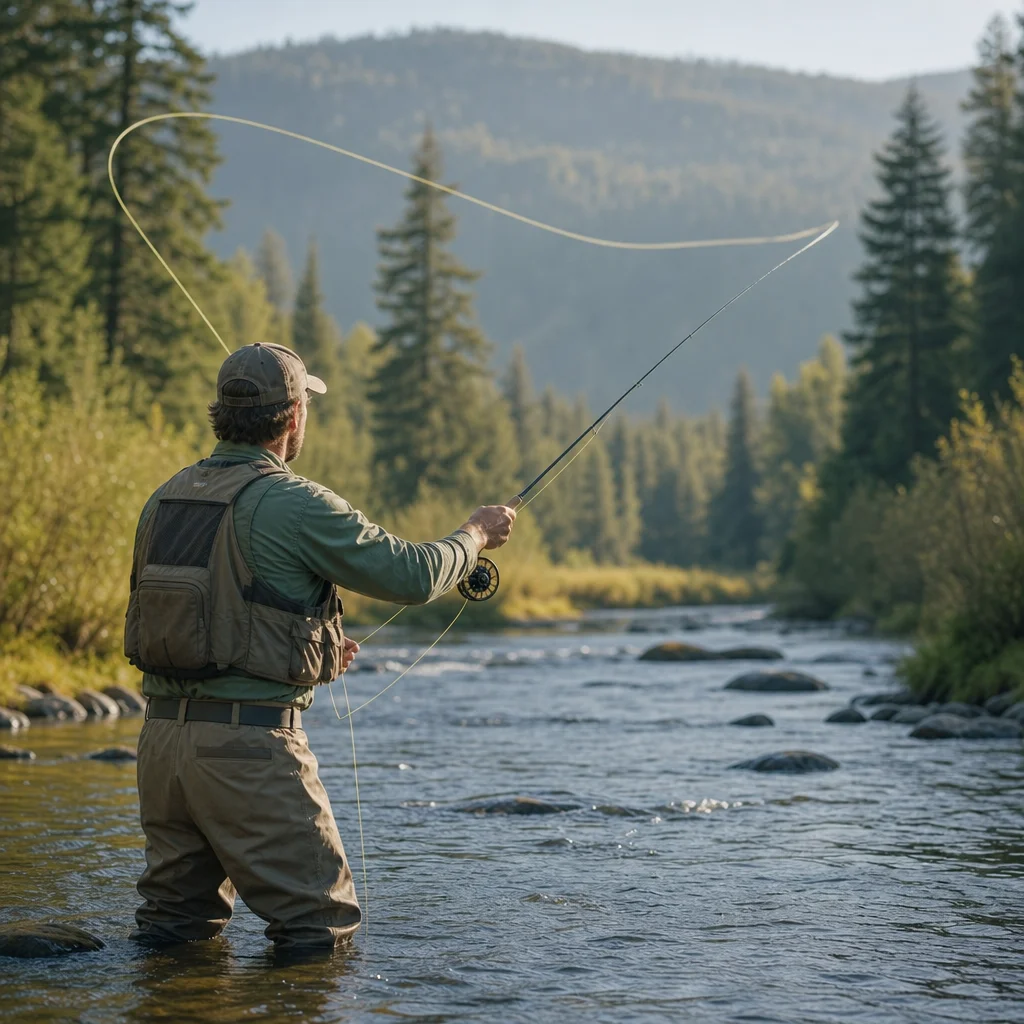
Spring trout fishing rewards preparation, but it can also tempt you into carrying half the fly shop. Water temperatures, flows, weather, and insect activity can change quickly in the Northeast, so the goal isn’t to predict every hatch. It’s to carry a small set of flies that covers the most useful fishing situations.
A compact box of roughly 20 to 30 flies is enough for many day trips. You’ll want several nymphs for fish feeding below the surface, a few emergers for difficult in-between moments, a modest selection of dry flies, and two or three streamers for high water or aggressive fish. Choose reliable patterns in a few sizes rather than collecting every variation.
Start with a simple coverage plan
Build the box around four questions:
- What can trout eat below the surface?
- What can they take while an insect is rising?
- What can you show them on the surface?
- What can you use when the water is high, cold, or stained?
Those questions point to four fly groups:
- Nymphs: Your largest category for consistent spring coverage.
- Emergers: A small but useful group for selective trout and rising insects.
- Dry flies: A few dependable choices for surface activity.
- Streamers: Larger offerings for searching, covering water, and imitating baitfish or larger prey.
A useful starting ratio is about half nymphs, one-quarter dry flies and emergers combined, and one-quarter streamers. You can adjust that ratio based on the water you fish. Small, clear brook trout streams may call for more small dries. Cold, elevated flows often make nymphs and streamers more important.
Choose nymphs for the water you’re likely to fish
Nymphs should form the foundation of a spring box because trout often feed underwater when temperatures are low or conditions are unsettled. You don’t need a complete imitation of every aquatic insect. You need a few profiles, colors, and weights that let you reach feeding fish.
A practical nymph selection
Consider carrying six to ten nymphs divided among these roles:
- Small dark nymphs: Pheasant Tail-style flies in small and medium sizes cover many slender mayfly-like insects and general nymphing situations.
- Hare’s-ear-style nymphs: Natural, tan, or brown versions offer a broad, buggy profile and work well when you aren’t sure what trout are eating.
- Caddis-larva patterns: Green, olive, tan, or cream versions can be useful in streams where caddis are common.
- Small stonefly or larger nymph patterns: Carry a few darker, heavier flies for rocky water and higher flows.
- Attractor nymphs: A brighter thread, bead, or hotspot can help you search when no clear hatch is visible.
For each general pattern, two or three sizes are more useful than many colors. A reasonable range for spring trout is often small to medium hook sizes, but the correct choice depends on the stream, local insects, and your tackle. Very small flies may be effective in clear water, while larger or heavier patterns are easier to fish in fast spring currents.
Include both beadhead and unweighted or lightly weighted versions when possible. Beadheads help you reach depth. Unweighted flies can move more naturally in shallow water or when fished behind a heavier nymph.
Don’t forget one or two soft-hackle options
A soft-hackle wet fly or nymph can cover several situations, especially when insects are moving upward but trout aren’t committing to the surface. These flies can be swung, drifted, or used as part of a nymph rig, depending on your setup and local rules.
You don’t need a separate box for wet flies. Add one or two modestly sized patterns to the nymph-and-emergers section and treat them as flexible tools.
Add emergers for the awkward middle stage
Emergers are useful when trout are feeding near the surface but ignoring fully formed dry flies. In spring, you may see occasional rises that are difficult to interpret. Fish might be taking an insect just below the film, leaving only a faint dimple or a nose tip.
Carry three to five emergers, such as:
- A small dark mayfly emerger
- A CDC or soft-fiber emerger in a natural color
- A caddis emerger or pupa
- A simple midge pupa for calm, slow water
Choose patterns that sit in slightly different parts of the water column. A film-sitting emerger helps when trout are visibly sipping. A lightly weighted or soft-hackle pattern gives you an option when fish are feeding just below the surface.
Keep the selection restrained. Emergers are specialized enough that buying every style can quickly defeat the purpose of a small box.
Keep dry flies focused and visible
Dry flies are satisfying, but spring conditions don’t always make them the most productive category. Cold water, wind, and variable flows can limit surface activity. Carry enough to respond when trout do rise without giving them most of your available space.
A compact dry-fly group might include:
- A dark mayfly-style dry: Useful when small dark insects are present or as a general searching pattern.
- A light mayfly-style dry: A practical contrast for lighter insects and brighter conditions.
- A caddis-style dry: Elk-hair or similar buoyant patterns are easy to see and can cover several caddis situations.
- A small attractor or high-visibility dry: Helpful when you need to track the fly in broken water.
- A midge or tiny dry: Worth carrying if you regularly fish calm pools where trout become selective.
Carry two or three of each pattern only if you’re confident you’ll use them. Otherwise, one or two of the smallest flies can be enough, with a few more of the durable, versatile patterns.
Visibility matters. A beautiful dry fly that you can’t see is difficult to fish well. Consider a parachute post, a lighter wing, or a larger high-floating pattern when your eyesight, light, or current makes tracking difficult.
Reserve space for streamers
Streamers give you a way to search when trout aren’t rising and nymphing feels unproductive. They can also be useful after rain, during elevated flows, or along undercut banks and deep edges.
Carry two or three basic streamer styles:
- A small olive or natural baitfish imitation
- A dark woolly-bugger-style pattern
- A white, yellow, or other contrasting pattern for stained water or low light
Small streamers are often a good starting point for a compact spring box. They’re easier to cast on lighter equipment and less likely to overpower small trout streams. Add one slightly larger option only if the rivers you fish regularly hold larger trout or receive baitfish migrations.
Vary weight more than you vary color. A lightly weighted streamer can cover shallow edges, while a heavier version can reach deeper seams. In many cases, changing retrieve speed, angle, and depth will matter more than owning six color combinations.
Use size and weight as your main adjustments
When your box is small, size and weight provide more flexibility than a large color selection. A few patterns can cover many conditions if you carry them in sensible variations.
For example, one dark nymph in a small size and the same pattern in a larger, heavier version can serve different purposes. The smaller fly may match low, clear water. The larger one may help you reach the bottom in faster current or imitate a bigger early-season insect.
A useful compact system is:
- Small: For low, clear water and selective fish
- Medium: For general conditions
- Larger or heavier: For high flows, deeper runs, and searching
Avoid adding weight blindly. A fly that reaches the bottom is useful; a fly that repeatedly snags or drags unnaturally isn't. Adjust your leader, tippet, casting angle, and position before assuming you need a heavier pattern.
Check your local spring rules: Before heading out, verify the current regulations for the specific river or stream, including open seasons, permitted waters, tackle restrictions, hook requirements, bait or fly definitions, and harvest limits. Northeast rules can differ between states, waters, and special-regulation sections.
Build the box on a budget
Start with patterns you can use across multiple streams rather than buying flies tied for one narrow hatch. A small selection from a local fly shop can be valuable because the staff may know what is currently appearing on nearby water, but you can also build a capable box from common general-purpose patterns.
Buy a few of each pattern before buying many patterns. This lets you discover what you actually lose, use, or prefer. If you spend every outing fishing the same two nymphs, that’s useful information—not evidence that your box has failed.
You can also save money by organizing around durability. Flies that unravel after one fish may be cheap individually but expensive over a season. Reinforced bodies, secure hackle, and sturdy thread generally matter more than elaborate materials.
Keep a small repair supply with the box or in your vest:
- Floatant appropriate for your dry flies
- A small amount of strike-indicator material, if permitted and useful for your method
- Forceps or hemostats for removing flies safely
- Spare leaders and tippet
- A small fly patch or foam insert for drying used flies
Organize the box so decisions stay simple
Use separate compartments or small labeled sections for nymphs, emergers and dries, and streamers. Arrange flies from small to large or light to dark. The point isn't presentation; it’s reducing the time you spend rummaging while fish are feeding.
Before each trip, remove damaged flies and refill the patterns you used most. After a day on the water, dry damp flies before closing the box. Wet flies stored in a sealed compartment can rust hooks, damage materials, and make the whole box unpleasant to use.
A compact starting inventory
For a first spring box, you could begin with approximately:
- 8 to 10 nymphs
- 4 to 5 emergers or soft-hackle patterns
- 6 to 8 dry flies
- 3 to 4 streamers
That gives you roughly 21 to 27 flies, with room for duplicates of the patterns you trust. Select a mix of small, medium, and heavier flies rather than filling every slot with a different design.
On the water, change one variable at a time. If trout aren’t responding, first consider depth, drift, and position. Then change size or weight. Change color or pattern when you have evidence that fish are seeing something different, such as visible insects, repeated refusals, or consistent surface feeding.
A small box works best when it supports observation instead of replacing it. Start with a balanced selection, pay attention to how trout are feeding, and let each trip show you what deserves a permanent place in the box.