Which Fly Should You Try When Trout Are Feeding Just Below the Surface?
I’ll help you compare emergers, soft hackles, unweighted nymphs, and small dry-dropper rigs so you can spend less time changing flies and more time testing whether trout are refusing your pattern or your presentation.
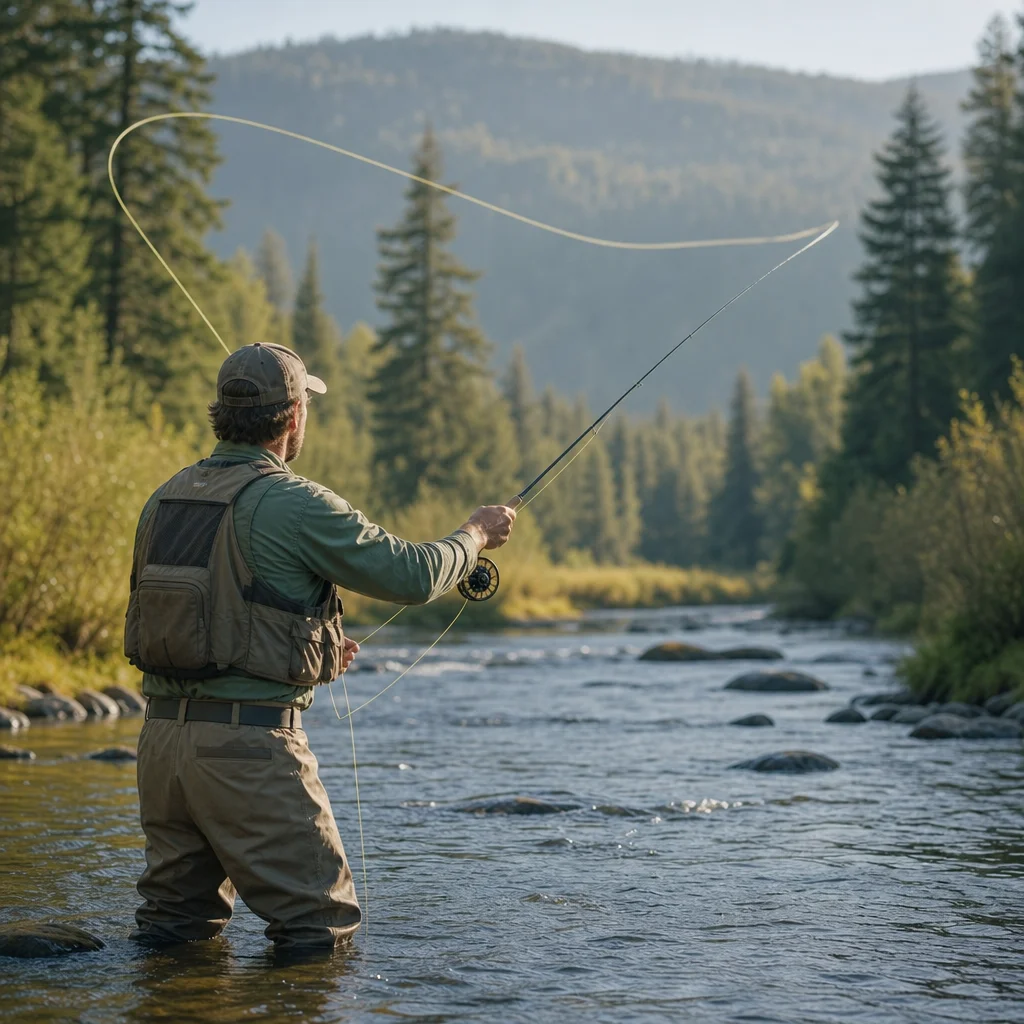
When trout are feeding just below the surface, the hardest part is often not finding a fly—it’s deciding how close your imitation should be to the film. A visible rise may suggest a dry fly, but trout can be taking insects as they struggle upward, drift beneath the surface, or slide back into the water.
The most efficient approach is to match the stage of the insect and change only one variable at a time. Start with the simplest fly that could explain the feeding, then adjust depth, drift, and movement before replacing half your box.
First, identify where the trout are taking food
“Just below the surface” covers several different feeding lanes. Trout may be:
- Taking insects trapped in the surface film
- Eating emergers while they rise
- Picking off drowned or drifting adults
- Feeding on nymphs in the upper few inches
- Moving between shallow subsurface food and occasional surface insects
Look closely at the rises. A trout that shows only its nose or creates a small dimple may be taking an emerger or insect in the film. A larger splash can indicate a more aggressive take, but it doesn’t automatically mean the fish wants a dry fly.
Also watch the water between rises. Shucks, spent wings, floating nymphs, or clusters of tiny insects can tell you more than the rise itself. If you can see trout sliding just beneath the surface without breaking through, begin with a subsurface pattern rather than assuming the fish will eat a dry.
Emergers: the best first choice when trout are focused on the film
An emerger imitates an insect that is partway through its transition to the surface. It may ride in the film, sit slightly under it, or drift with a trailing shuck and partially formed wings.
Use an emerger when:
- Trout are making small, steady rises
- You see insects trapped or changing in the surface film
- Dry flies pass over feeding fish without a response
- The water is calm enough for subtle takes to matter
Emergers are often efficient because they cover the uncertain space between a dry fly and a nymph. You don’t need to guess that the trout are taking fully emerged adults. You only need to imitate the stage they may be intercepting.
Choose a size and profile that fit the insects on the water, but don’t overcomplicate the pattern. A slender body, sparse thorax, and a small amount of visible material are often more useful than a heavily dressed imitation. On glassy spring creeks, a low-riding emerger can look more natural than a bushy fly that sits high and bright.
Fish it with a drag-free drift. If it sinks too quickly, apply a small amount of floatant only to the upper body or wing—not necessarily to the entire fly. Some emergers are designed to sit partly below the surface, and making them ride like a dry defeats their purpose.
Soft hackles: useful when the water has a little movement
A soft hackle is a versatile choice when trout are feeding just under the surface but the current isn't perfectly calm. Its sparse fibers suggest legs, wings, or an emerging insect without committing to one exact stage.
Try a soft hackle when:
- You see occasional rises but no obvious hatch
- Trout are moving through a seam or slow current
- The surface is broken by riffles, wind, or small waves
- You want to search a little water instead of presenting to one fish
Soft hackles can be swung gently across current, lifted at the end of a drift, or dead-drifted like a small nymph. The key is restraint. A short, controlled lift can imitate an emerging insect, but repeated large movements usually make the fly look hurried and unnatural.
For spring creeks and slow summer rivers, choose a lightly weighted or unweighted version rather than a heavy wet fly. You want it to travel in the upper water column, not drop immediately into the deeper feeding lane.
Soft hackles also help conserve resources. One pattern can cover several interpretations of the hatch, so you may not need to carry or test multiple highly specific flies before learning how the trout are feeding.
Unweighted nymphs: the quiet solution when rises are misleading
An unweighted nymph is a strong choice when trout are visibly feeding but won’t respond to surface patterns. It can drift just beneath the film, especially when the current provides enough depth and movement to carry it naturally.
Use one when:
- Trout are porpoising or showing backs without taking your dry
- You see insects drifting below the surface
- The water is too shallow or slow for a weighted nymph
- A dry fly lands correctly but receives no attention
Select a slender, lightly dressed nymph that resembles the general size and color of the available insects. You don’t need an exact match if your fly has the right profile and moves naturally.
The challenge is detecting the take. An unweighted nymph may drift only a few inches beneath the surface, where the trout can eat it without creating a visible rise. Watch the leader, tippet, or a small indicator dry for hesitation, sideways movement, or a pause that doesn’t fit the current.
Avoid adding weight too quickly. In slow water, a weighted nymph can sink below the feeding lane before you’ve learned whether the trout were actually looking shallow. If the fly isn't getting down enough, first lengthen the tippet or adjust your casting angle. Add weight only when the water and feeding behavior justify it.
Small dry-dropper rigs: visibility with a shallow subsurface option
A small dry-dropper rig can cover two feeding lanes at once: the dry indicates a take and the dropper fishes beneath it. This is useful when trout are feeding near the surface but you aren’t sure whether they want an adult insect or an emerging nymph.
Keep the rig modest for slow water. A small, delicate dry with a short dropper can be less disruptive than a large, heavily dressed indicator fly. The dropper should usually be unweighted or very lightly weighted if the goal is to stay just below the surface.
A dry-dropper is most effective when:
- Trout are spread across a shallow run
- You need to search rather than cast repeatedly to one visible fish
- The dry can support the dropper without dragging
- The current is mixed enough that a single fly is difficult to evaluate
There are trade-offs. The extra knot and fly can increase tangles, especially with fine tippet and awkward wind. The dry may also drag sooner because it is connected to a submerged fly. In calm spring-creek water, a single emerger or unweighted nymph may produce a better drift than a two-fly setup.
Check your local two-fly rules: Before using a dry-dropper, confirm that your current regulations allow multiple flies and note any restrictions on hooks, droppers, or indicator-style setups. Regulations can differ between waters and change over time.
A cost-efficient order for changing flies
Changing flies is easy. Learning from each change is more valuable. Use this sequence to avoid cycling randomly through patterns:
1. Start with an emerger
Choose a pattern that matches the approximate size and color of the insects near the surface. Fish it with a careful, drag-free drift.
2. Adjust presentation before changing patterns
Try a longer leader, a different casting angle, or a position that gives the fly more time in the feeding lane. A fly that is one size off but drifting naturally can outperform a perfect imitation that is dragging.
3. Try an unweighted nymph
Make this change when trout continue feeding but ignore the emerger, particularly if you suspect they are taking insects just beneath the film. Keep the depth shallow at first.
4. Add a soft hackle if movement is present
Use a soft hackle when the current, wind, or feeding behavior suggests that a little movement may trigger a response. Dead-drift it first, then test a controlled lift.
5. Use a small dry-dropper to test both lanes
Choose this option when you need information across a broader area or when the trout’s feeding depth remains unclear. If the rig creates drag or repeated tangles, simplify again.
How to tell whether presentation is the real problem
Before blaming the fly, check four common issues:
- Drag: The fly moves faster or slower than nearby bubbles, foam, or natural insects.
- Poor angle: Your line crosses the current and pulls the fly toward you.
- Too much disturbance: The fly, leader, or repeated false casts lands over the feeding lane.
- Wrong depth: The fly is either sitting on top when trout are beneath it or sinking below the active zone.
Make one correction and give it several good drifts. If you change the fly, leader length, casting angle, and retrieve at the same time, you won’t know what solved the problem.
A useful test is to move upstream or sideways to improve the drift without changing flies. If the same pattern suddenly starts producing follows or takes, the original issue was probably presentation rather than imitation.
A simple decision checklist
Choose an emerger for small rises and insects trapped in the film. Choose a soft hackle when the water has movement and you want a versatile, lightly animated imitation. Choose an unweighted nymph when trout are feeding below the surface without taking your dry. Choose a small dry-dropper when you need to test both surface and shallow subsurface lanes over more water.
Keep the first change inexpensive and informative: alter depth or drift before buying or tying another dozen patterns. On slow rivers and spring creeks, the fly that stays in the correct lane usually matters more than the fly with the most exact-looking materials. After each adjustment, watch how the trout respond—and let that response choose your next move.