Waders or Wet Wading? Choosing for Summer Trout Trips
I’ll compare waders and wet wading for summer trout trips, focusing on the minimalist choice: comfort, mobility, weather protection, water hazards, and the equipment you actually need before stepping into a stream.
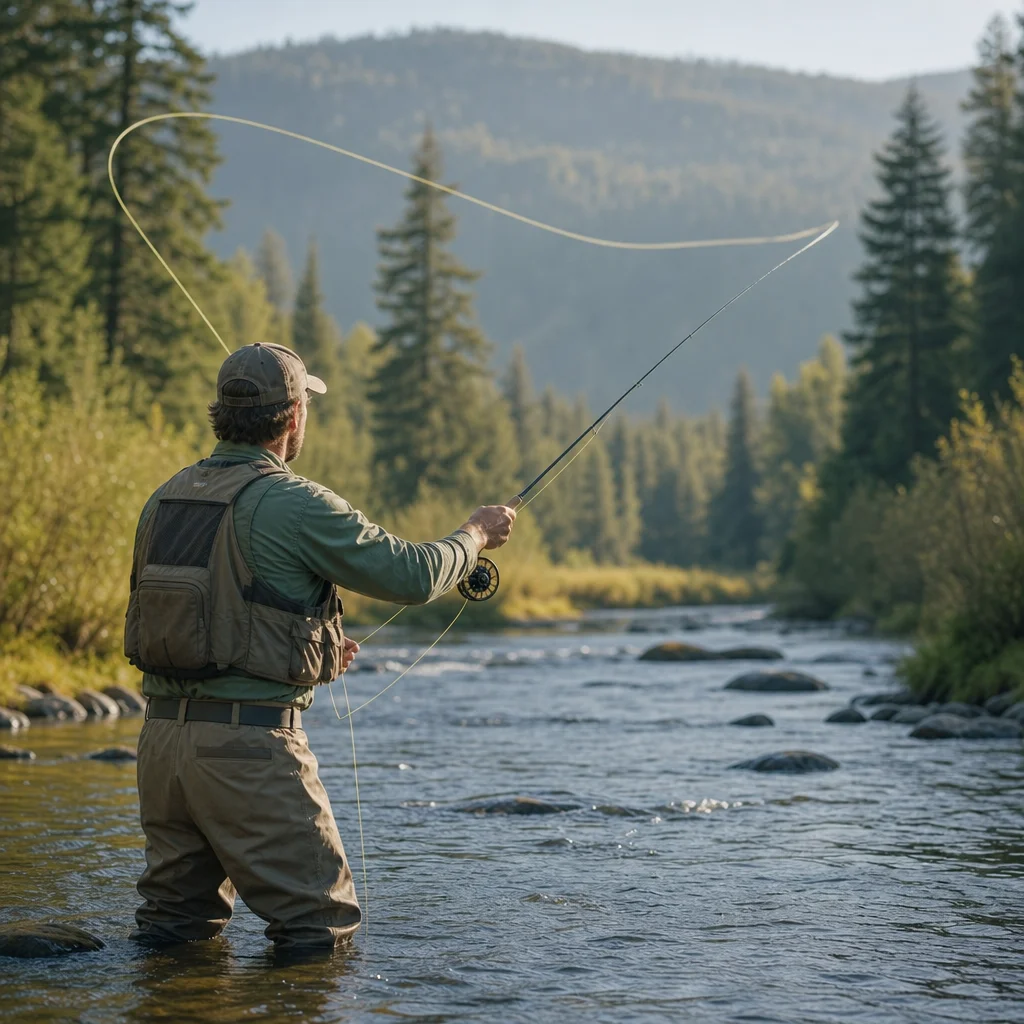
Summer trout fishing creates a deceptively simple gear decision: wear waders or let your legs get wet. On a warm, shallow stream, wet wading can feel wonderfully uncomplicated. On a cool morning, during a long hike, or anywhere the weather may turn, waders can be the more comfortable and controlled option.
For most beginners, the best answer isn’t choosing one method forever. It’s matching your clothing and safety equipment to the water temperature, weather, terrain, and amount of time you’ll spend in the stream.
The short answer
Choose wet wading when:
- Air and water conditions are reliably warm.
- You’ll fish shallow water with easy exits.
- You want the lightest, least expensive setup.
- You’ll spend more time walking than standing in the current.
Choose waders when:
- The water is cold, the forecast is changeable, or you’ll fish early and late.
- You need protection from wind, rain, brush, or insects.
- You’ll be standing in the water for long periods.
- You’re comfortable managing wading safety and carrying the extra equipment.
If conditions are uncertain, pack for the colder possibility. You can always stay dry in waders, but you can’t make wet clothing warm by wishing at it.
Wet wading: the minimalist choice
Wet wading usually means wearing quick-drying clothing, wading footwear, and sometimes a pair of gravel guards. Your legs get wet, but your kit stays compact and relatively inexpensive.
Advantages of wet wading
Less equipment. You don’t need waders, suspenders, a belt, or a large bag to carry them. That matters when you’re hiking to a remote section of river or trying to keep a summer outing simple.
Better ventilation. Wet wading is often more comfortable in hot weather because water can cool your legs and you avoid trapping warm air inside waterproof clothing.
Good mobility. Lightweight clothing makes scrambling along the bank, climbing over logs, and walking between pools easier. You’re also less likely to overheat during a long approach.
Lower replacement cost. A pair of quick-drying pants or shorts and suitable footwear can cost less than a complete wading system. You still need reliable traction, though; saving money on clothing doesn’t make slick rocks less slick.
Limitations of wet wading
Wet wading offers little protection from cold water. Even in summer, mountain streams can remain cold enough to numb your feet and legs during a long session. Numbness can reduce your balance and make it harder to recognize discomfort before it becomes a problem.
You also lose protection from wind, rain, brush, and some insects. A cloud moving over the sun can change the experience quickly, especially when you’re wet and standing still.
Wet wading is most practical in shallow, relatively warm water with stable footing and nearby places to get out. It becomes less attractive when you need to cross deeper channels, fish for several hours without warming up, or travel far from the vehicle.
Waders: more protection, more responsibility
Summer waders are commonly made from breathable fabric, while heavier neoprene waders are generally associated with colder conditions. Breathable waders are usually the more versatile warm-season choice because they allow moisture vapor to escape better than insulated materials.
Waders don’t keep you completely dry in every situation. Sweat can build up inside them, and water can enter through a damaged seam, loose cuff, or poorly secured opening. They do, however, create a useful barrier against cold water, wind, rain, and vegetation.
Advantages of waders
Better temperature control. Waders can make cool mornings and cold streams more manageable. They’re especially useful when you’ll fish before the day warms or remain in the water for extended periods.
Protection from the environment. They shield your legs from wet grass, thorny brush, mud, and some biting insects. That protection can be valuable even when the air temperature is pleasant.
More flexibility. A wader system lets you fish through a wider range of summer conditions. You can start in cool weather and continue after a rain shower without immediately turning the trip into a clothing problem.
Limitations of waders
Waders are warmer, bulkier, and more expensive than wet-wading clothing. In hot weather, they can cause overheating if you hike in them or wear too many layers underneath.
They also require more attention around moving water. Water entering waders can make them heavy and restrict movement. A wading belt may help limit how quickly water enters through the top, but it doesn’t make deep or fast crossings safe. Waders are equipment, not a substitute for judgment.
Breathable fabric isn't automatically more durable. Brush, sharp rocks, barbed wire, and careless contact with hooks can puncture it. Drying and storing waders properly also matters if you want them to last.
Check your summer crossing plan: Before your trip, review current local regulations, stream-access rules, weather, water conditions, and any advisories or closures. Conditions and requirements vary by location, and cold or rising water can make a familiar crossing unsafe.
Compare the choices by the condition that matters most
| Concern | Wet wading | Waders |
|---|---|---|
| Hot weather | Usually more comfortable | Can become too warm |
| Cold water | Limited protection | Stronger protection |
| Rain and wind | Little protection | Better protection |
| Hiking and scrambling | Light and flexible | Heavier and warmer |
| Equipment cost | Usually lower | Usually higher |
| Water-entry risk | No flooded waders, but you’re exposed to cold | Requires careful wading habits |
| Gear maintenance | Simple | Requires drying, inspection, and repairs |
| Best use | Warm, shallow, straightforward water | Variable weather or prolonged exposure |
The table points to an important distinction: wet wading reduces equipment, while waders increase environmental protection. Neither option removes the need for suitable footwear and cautious movement.
The essential equipment for either approach
Start with footwear, not trousers
Your wading shoes provide traction and protect your feet. Use footwear designed for stream use rather than ordinary running shoes, which can have poor grip on algae-covered rock and deteriorate quickly when soaked.
Rubber soles can be useful in some settings, while felt or studded options may be restricted in others. Rules differ by state, waterway, and land manager, so check the current requirements for the places you plan to fish. Clean and dry footwear between waters to reduce the chance of transporting unwanted organisms.
Add a wading belt with waders
A wading belt should be secured around your waist whenever you wear stockingfoot waders. It can help keep the waders closer to your body and slow water from rushing in through the top during a fall. It can't prevent every accident or replace shallow-water judgment.
Enter the stream carefully, keep your body facing into stronger current, and avoid crossing simply to reach a slightly better casting position. Many trout are caught without making the most ambitious crossing of the day.
Choose quick-drying layers
For wet wading, synthetic or wool layers are generally more practical than cotton because they dry more readily and retain some insulating ability when damp. Bring a dry layer and a waterproof shell in a pack, even when the forecast looks settled.
For waders, dress in adjustable layers rather than automatically wearing heavy insulation. You may need warmth at sunrise and ventilation by midday.
Carry a way to improve balance
A wading staff is worth considering in unfamiliar, uneven, or faster water. It can provide another point of contact while you test the bottom and move between positions. A staff won’t make hazardous water safe, but it can help you move more deliberately.
Keep your pack compact and secure. Loose straps, dangling tools, and overloaded bags can catch on branches or affect your balance during a crossing.
Common mistakes to avoid
Choosing based only on air temperature
A warm afternoon doesn’t tell you whether the stream is warm enough for prolonged wet wading. Snowmelt, spring-fed water, shade, elevation, and recent weather all affect conditions.
Wearing waders for the hike
If you choose waders, consider putting them on near the water rather than wearing them through a long, sunny approach. Overheating before you begin fishing defeats much of their benefit.
Treating shallow water as automatically safe
Depth is only one factor. Slippery rocks, undercut banks, strong current, and difficult exits can make a shallow section hazardous. Look downstream before stepping in, and identify where you’ll go if you lose footing.
Packing no backup clothing
A dry shirt, insulating layer, and shell take little space compared with the discomfort and risk of remaining wet after a fall or sudden change in weather. Keep them protected in a waterproof bag.
Buying more gear than the trip requires
You don’t need an elaborate system for a short summer outing on gentle water. Begin with suitable footwear, clothing that matches the conditions, a way to carry essentials, and a conservative plan. Add specialized equipment when the water or terrain genuinely calls for it.
A sensible summer decision process
Before leaving, ask four questions:
- How cold might the water be? Consider the stream’s source, elevation, shade, and recent weather.
- How long will you be exposed? A brief walk through ankle-deep water is different from standing midstream for hours.
- What will the weather do? Wind, rain, and falling temperatures favor more coverage.
- How difficult are the exits? Waders and wet wading both require a route out of the water if conditions change.
If the answers point in different directions, choose the option that gives you more margin rather than the one that saves the most weight. For a hot, stable day on a gentle stream, wet wading with good footwear and a dry backup layer may be all you need. For cold water, variable weather, or a long session, lightweight breathable waders are usually the more adaptable choice.
Start simply, test your clothing on an easy outing, and pay attention to how your body responds. The best summer setup is the one that keeps you comfortable enough to concentrate on the water without encouraging you to take chances in it.