How to Choose Wading Trousers for Warm Rain and Cold Water
Warm rain can make heavy waders uncomfortable while cold water still makes wet-wading risky. I’ll help you compare breathable waders, wet-wading layers, and rain protection so you can choose a sensible setup for changing shoulder-season conditions.
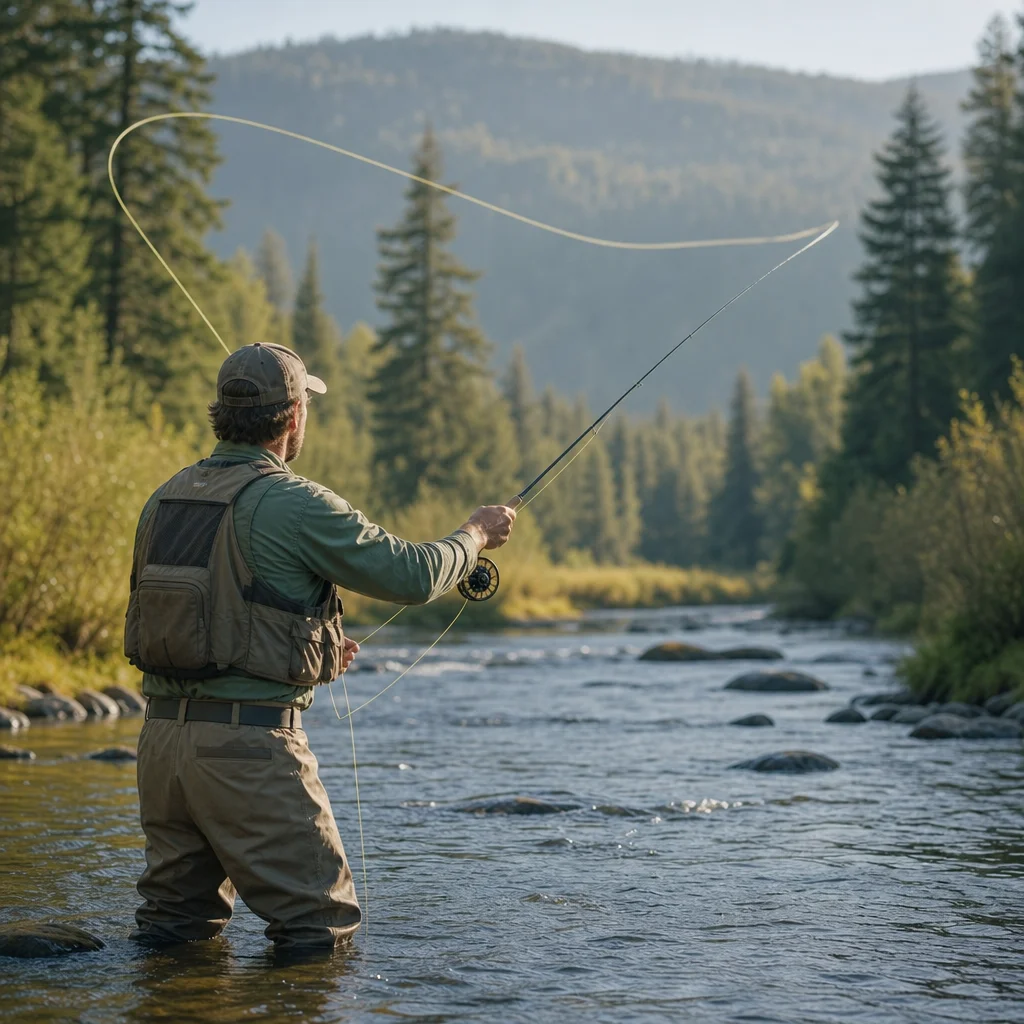
Warm rain and cold water create an awkward clothing problem: dress for the air and you may underestimate the river, but dress for the river and you may overheat while walking the bank. The right choice depends less on a single “best” garment than on how long you’ll be in the water, how deeply you’ll wade, and how easily you can adjust your layers.
For most temperate-river anglers, the realistic options are breathable waders, a wet-wading system, or a waterproof outer layer worn over insulating clothing. Each can work well. Each also has conditions in which it becomes a poor trade.
Start with the conditions, not the trousers
Before comparing fabrics and features, separate the conditions you’re preparing for:
- Warm air and cold water: The classic shoulder-season problem. You may sweat while walking, then lose heat quickly once you’re standing in the river.
- Warm rain and rising humidity: Waterproof clothing can trap heat even when the air temperature feels moderate.
- Cold water with uncertain depth: Staying dry matters more than minimizing clothing weight.
- Short, shallow crossings: A lighter system may be reasonable if you can avoid prolonged immersion.
- Long sessions or deep wading: More coverage, insulation options, and secure fit usually justify the extra bulk.
Your fishing style matters as well. An angler who makes one careful crossing and fishes from the bank has different needs from someone who spends hours moving between midstream lies. Consider the whole day, including the walk back to the vehicle when wet clothing and fatigue can become more important than comfort at the start.
Check the river before you dress: Look at the current forecast, water level, flow, access conditions, and local safety guidance before choosing a wet-wading or wader setup. Conditions can change during the day, especially after rain or a release upstream.
Option one: breathable waders
Breathable waders are usually the most versatile choice when water is cold but the air is mild or wet. They keep your legs and lower body dry, allow insulating layers underneath, and provide more protection if you need to wade deeper than expected.
Strengths
- You can add or remove insulation beneath them as conditions change.
- They protect against cold water, rain, wet vegetation, and muddy banks.
- Stocking-foot designs work with separate wading boots, allowing a more supportive and adaptable footwear choice.
- They give you a wider margin for an unexpected deep step or prolonged crossing.
Trade-offs
Breathable fabric doesn't mean cool in every situation. Warm rain, high humidity, and walking in chest waders can still leave you damp from perspiration. The moisture may be inside the waders rather than outside, which can make the system feel as though it has failed even when the fabric is performing normally.
Breathable waders also cost more than a simple wet-wading setup and need more care. Leaks, damaged seams, and worn booties can turn a comfortable day into a cold one. They’re most valuable when you’ll spend substantial time in the water or when conditions are uncertain enough that staying dry is the priority.
What to look for
For variable weather, prioritize fit and adjustability over a long feature list:
- A cut that allows a base layer and a light insulating layer without restricting your stride or squat.
- Articulated knees or enough room to step and climb naturally.
- A secure waist belt and suspenders that hold the waders in place without forcing the chest section tight.
- Reinforced lower legs and durable seams in areas that rub against rocks or brush.
- Integrated gravel guards that fit closely over the boots.
- A pocket arrangement that remains useful without encouraging you to overload the front of the waders.
Chest-high waders provide the most coverage, but they can be excessive for shallow water and warm hiking. Waist-high versions or convertible designs may be more comfortable where they provide adequate protection. Don’t choose a lower cut merely to reduce heat if the river’s depth and banks make a higher cut the safer option.
Option two: wet-wading layers
Wet-wading is lighter and often more comfortable in warm weather. A typical system combines quick-drying trousers or shorts, a moisture-managing base layer, wading socks, and wading boots. The objective isn’t to stay dry; it’s to reduce chilling, abrasion, and foot problems while accepting that your lower legs may get wet.
When it makes sense
Wet-wading can be a good choice when:
- The air is warm enough for wet clothing to dry or remain tolerable.
- You’ll fish shallow water rather than make long, deep crossings.
- You can get out of the river and warm up easily.
- The approach is short and doesn’t involve prolonged exposure to wind or rain.
- You value low weight and easy movement more than all-weather coverage.
Use synthetic or wool layers rather than cotton. Cotton holds water and dries slowly, which is an uncomfortable combination when the air cools or wind picks up. A snug but not restrictive wading sock helps reduce rubbing inside the boot.
The limits are important
Wet-wading offers little protection from cold water. A setup that feels fine during an active walk can become unpleasant when you stand still to fish. It also leaves you more exposed to cold rain, wind, and wet vegetation. If the day is warm at noon but likely to cool in the afternoon, carry a dry insulating layer and a waterproof shell rather than assuming the initial comfort will last.
Avoid treating wet-wading as a substitute for waders when you’re likely to face deep water, strong current, difficult exits, or a long walk after getting wet. The lighter option is only an advantage if it leaves you with enough warmth, mobility, and control to finish the day safely.
Option three: waterproof trousers and rain protection
Waterproof trousers over normal outdoor clothing can be useful for bank fishing, light splashing, and shallow water. They’re often less cumbersome than chest waders and may be a sensible middle ground when rain is the main problem rather than immersion.
They don't provide the same protection as waders. Water can enter at the waist, cuffs, or footwear, and the fabric may ride up during a high step. They’re best viewed as rain protection, not as equipment for routine deep wading.
If you choose this approach, pay attention to:
- A waistband that stays secure while bending and casting.
- Cuffs that fit over or around your footwear without catching.
- Enough room for a base layer without creating loose fabric that snags.
- Ventilation options for walking in warm rain.
- A shell fabric durable enough for brush and rough banks.
For anglers who spend most of the day on shore and only step into very shallow margins, waterproof trousers may be the most efficient choice. They become a false economy when they encourage you to enter water beyond their intended coverage.
Compare the systems by trade-off
| Priority | Best starting point | Main compromise |
|---|---|---|
| Staying dry in uncertain depth | Breathable chest waders | More heat, weight, and maintenance |
| Maximum comfort in genuinely warm conditions | Wet-wading layers | Less protection from cold water and changing weather |
| Rain protection while mostly on shore | Waterproof trousers | Limited depth and immersion protection |
| Frequent changes between walking and wading | Breathable waders with adjustable layers | Higher cost and more careful packing |
| Minimal equipment for short outings | Wet-wading layers plus a dry backup layer | Smaller margin if conditions deteriorate |
The table is a starting point, not a rule. Your tolerance for heat, the river’s character, and the quality of your exit options can move the decision from one column to another.
Build layers for adjustment
Shoulder-season clothing works best when the layers have separate jobs. Start with a moisture-managing base layer. Add insulation only if the air temperature, wind, and activity level call for it. Finish with rain protection that can be vented or removed during the walk between spots.
Under breathable waders, avoid wearing so much insulation that your knees and hips become restricted. A thinner base layer plus a packable insulating layer is often easier to manage than one bulky garment. Keep a dry layer in a waterproof bag; the layer you carry for the return trip may matter more than the one you wear while actively fishing.
For wet-wading, protect your skin from boot seams and gravel. Wading socks and properly fitted boots are more important than adding extra fabric to the trouser leg. If your feet feel cramped, don’t assume the socks will compress enough after a few hours. Restricted circulation and friction can make a light setup surprisingly uncomfortable.
Fit and movement are safety features
Try on waders with the layers and boots you actually plan to use. Walk, squat, lift one knee, and simulate stepping over a log. If the fabric pulls across the seat or knees, the size or cut is wrong. If the upper section is excessively loose, it may catch on vegetation and add unnecessary bulk.
Check that the waist belt can be tightened securely and that the suspenders stay comfortable over your outer layers. A belt should support the fit without becoming a substitute for properly sized waders. Keep pockets light enough that they don’t pull the garment forward when you bend.
Wading boots should provide stable footing and fit the stocking foot without crushing it. The best sole material and traction system can depend on local rules and river access requirements, so check current local guidance before buying or using them. Some waterways restrict particular sole types or require additional measures to reduce the spread of aquatic organisms.
Pack for the change you’re expecting
A practical warm-rain kit usually includes more than the clothing you start in:
- A waterproof shell or rain jacket that fits over your upper layers.
- A dry insulating layer sealed in a waterproof bag.
- Spare socks, especially if you’re wet-wading.
- A way to carry and secure the layers while casting.
- A simple repair solution appropriate to your wader material.
- A way to keep your phone and keys dry.
Pack according to the coldest likely part of the outing, not the warmest moment in the parking area. If the forecast is uncertain, the ability to add warmth and stay dry is usually worth more than saving a small amount of weight.
Maintain the choice you made
Rinse salt, mud, and grit from waders and boots after use, then dry them according to the manufacturer’s instructions. Avoid storing breathable waders damp or folded tightly for long periods. Inspect high-wear areas, seams, suspenders, booties, and gravel guards before the next trip.
Small leaks are easier to locate and repair at home than beside a river. If you notice interior dampness, first consider perspiration and condensation; a wet interior doesn't automatically identify an external leak. A systematic inspection can prevent you from replacing sound equipment or trusting damaged equipment on the next outing.
A simple decision process
Choose breathable waders when cold water, uncertain depth, prolonged wading, or changing weather are the dominant concerns. Choose wet-wading when the conditions are reliably warm, the water is manageable, and you can carry a dry backup. Choose waterproof trousers when you’ll mostly remain on shore and need protection from rain rather than immersion.
Before leaving, ask yourself three questions:
- How long will I be wet if I fall or misjudge a step?
- Can I add warmth or get dry without returning immediately to the vehicle?
- Will this clothing let me move, see my footing, and exit the river without restriction?
If the answers are uncertain, choose the system with more coverage and better layering options. Warm rain can make extra clothing feel inconvenient, but cold water and a difficult exit leave much less room for improvisation. Pack for adjustment, keep the setup comfortable enough to move naturally, and let the river conditions—not the calendar—decide how far into the water you go.