How to Keep a Fly-Fishing Phone Dry Without Losing Access to It
When rain, spray, or an accidental dunk is likely, your phone needs protection that still lets you reach maps and emergency contacts. I compare cases, pouches, pack storage, and tethering so you can choose a setup that stays dependable over time.
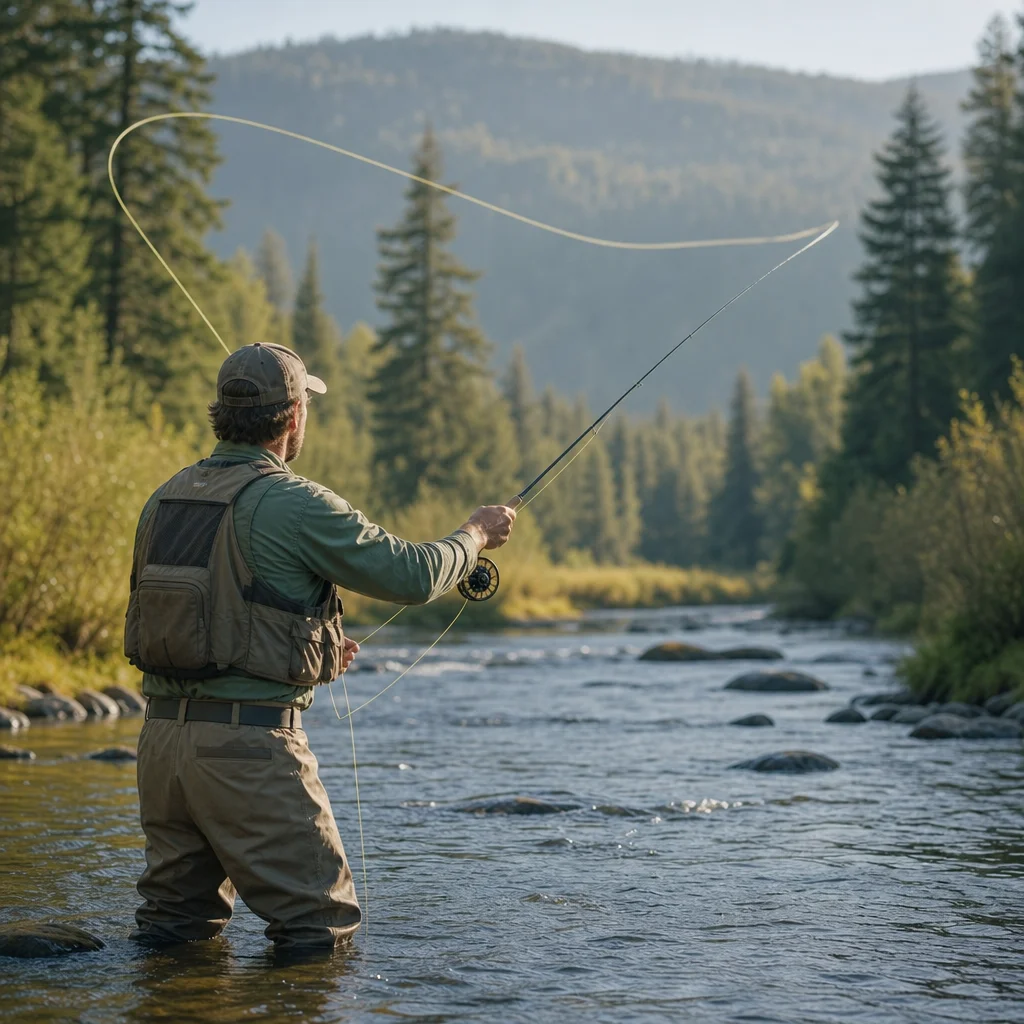
The real problem: protection versus access
Keeping a phone dry while fly-fishing sounds simple until you need to use it with cold, wet hands. A phone buried deep inside a pack may be perfectly protected but useless when you need a map, a weather update, or an emergency contact. A phone hanging openly from your vest may be convenient but exposed to spray, rain, snags, and the occasional enthusiastic dunk.
The best setup balances four things:
- Water protection: Can it handle rain, splashes, and accidental immersion?
- Access: Can you remove or use the phone without unpacking half your kit?
- Reliability: Will the solution still work after repeated trips, dirt, and wear?
- Recovery: Can you retrieve the phone if it slips from your hand or pocket?
There isn’t one perfect arrangement for every angler. A short session beside an easy-access trail calls for a different solution than a full day of wading in remote water.
Choose the protection level first
Before choosing a case or pouch, think about the water your phone is likely to encounter. Light rain and river spray are different problems from intentional immersion. If you regularly wade deep, cross moving water, or fish from a boat, plan for the phone to get wet rather than assuming you’ll keep it perfectly dry.
Everyday splash protection
A phone with a manufacturer-rated water-resistance claim may tolerate some exposure, but that rating isn't a guarantee against every fishing mishap. Seals can age, ports can collect grit, and a phone that has been dropped or repaired may no longer have its original protection. Water-resistance testing also doesn’t necessarily represent muddy freshwater, repeated splashing, or the pressure created by moving water.
Built-in protection can be a useful second layer, not your entire system. A clear pouch, waterproof case, or dry bag gives you a visible barrier and makes the consequences of a mistake less severe.
Accidental immersion
If the phone could end up fully underwater, use protection specifically designed and tested for submersion. Look for a stated depth and duration rather than vague language such as “waterproof.” A case that is suitable for rain may not be suitable for being dropped into a deep pool.
The seal matters as much as the case material. Sand, lint, fly-floatant residue, and small bits of vegetation can prevent a closure from sealing properly. A case is only as protective as its cleanest contact surface.
Check the protection limits: Before your next trip, confirm the phone’s current water-resistance rating and the case’s stated immersion limits. Check whether those limits apply to freshwater, saltwater, repeated use, and a case that has been opened and closed many times.
Four ways to carry the phone
1. A waterproof phone case
A fitted waterproof case offers the most direct access. You can usually see the screen, operate basic controls, and keep the phone in a pocket or on a vest where it’s easy to reach. Some cases are designed around a specific phone model, while others use a universal shell or sealed enclosure.
A fitted case is a good choice when you use navigation often or expect to take photographs during the day. It can also provide useful physical protection against knocks and grit.
The trade-offs are cost, bulk, and maintenance. A case that fits tightly may be awkward to install or remove. Buttons can feel less responsive, microphones may sound muffled, and the screen may become difficult to use when droplets collect on the outside. Any built-in charging or speaker openings deserve particular attention.
Test the case at home before trusting it on the river. Operate the screen, make a call, record audio, connect a charging cable if the design permits it, and check that the camera still works as you expect. Don’t test the seal with the phone inside. Use a dry tissue or paper towel first, following the manufacturer’s test method.
2. A clear waterproof pouch
A roll-top or zip-style phone pouch is usually the most adaptable option. It can accommodate a phone with a slim case, show the screen through a clear window, and provide a simple barrier against rain and splashes. Many anglers can keep one in a chest pack or jacket pocket and pull it out only when needed.
Pouches are especially useful when several people in a group carry different phone models. They’re also easy to replace if the clear window becomes scratched or cloudy.
Their weaknesses are access and handling. The closure may need two hands, and wet fingers may not operate the screen reliably through the material. Some pouches trap condensation, particularly when a warm phone is sealed in cool, damp air. If you use one, open it periodically in a dry environment when conditions allow, and avoid sealing a visibly wet phone inside it.
A pouch also needs a sensible storage location. If it hangs from a neck lanyard while you cast, it may swing into your rod, snag on brush, or land in the water when you bend down. Keeping it inside a zipped chest pocket is often more secure than displaying it on a long strap.
3. Dry storage inside a pack
A dry bag or waterproof compartment inside your fishing pack gives the strongest protection with the least temptation to use the phone constantly. It’s a sound choice if you only need the phone at the trailhead, during a planned break, or in an emergency.
The downside is obvious: access takes time. You may need to remove a pack, unzip a compartment, and handle the phone while standing beside moving water. That can be inconvenient and can create its own drop risk.
You can improve this arrangement by keeping the phone in a small, clearly marked pouch near the top of the pack rather than at the bottom beneath lunch, spare layers, and tackle. Store a power bank separately if you carry one, and keep both protected from moisture. Never assume a normal internal pack pocket is waterproof just because the outer fabric sheds rain.
For remote trips, practice retrieving the phone with the pack on. A few seconds of rehearsal can reveal that the supposedly convenient compartment is accessible only with an awkward twist or a second pair of hands.
4. A tethered phone
A tether can reduce the chance of losing the phone if you drop it. It doesn’t make the phone waterproof, though, and it can introduce snagging and entanglement hazards. Use a tether only with a secure attachment point on a case or pouch, not with a fragile phone port, adhesive tab of uncertain quality, or a loose lanyard loop.
Keep the tether short enough that it doesn’t trail in the current or catch around your legs, reel, net, or branches. Check how it behaves when you bend, cast, and reach into the water. A tether that seems harmless while standing still can become a nuisance during a wading stumble.
Avoid treating a tether as permission to carry the phone exposed. The tether should be a recovery aid, not the primary water barrier. A phone in a sealed pouch attached to a secure vest point is a more sensible combination than an unprotected phone dangling from your chest.
Make maps and emergency access work offline
A dry phone isn't much use if it has no signal, a dead battery, or a locked screen you can’t operate with wet fingers. Before leaving, download maps for the area when the app supports offline use. Save the access point, parking location, trail junctions, and planned exit route. A screenshot can be a useful backup, but it shouldn’t replace a proper offline map if the trip depends on navigation.
Add emergency contacts and any relevant medical information to the phone’s emergency features. Learn how to reach those features from the lock screen, since the exact steps vary by phone and operating system. Consider carrying a paper map and telling someone where you’ll be fishing, especially when you’ll be out of reliable service.
Keep the battery warm and protected from unnecessary drain. Cold conditions can reduce apparent battery capacity, while bright screens, location services, and repeated attempts to find a signal consume power. A small power bank can help, but it needs its own dry storage and a cable that remains clean and functional.
Test access before you wade in: With the phone inside its case or pouch, open your offline map, find the emergency-contact function, and make a test call or simulated navigation check. Do this with the same gloves and storage arrangement you’ll use on the water.
Maintain the system between trips
Long-term reliability comes from inspecting the protection, not just buying it. After each outing, rinse mud and grit from the outside of the case or pouch with clean water if the manufacturer permits it. Dry it fully before storage. Don’t put a damp pouch in a sealed gear bin and expect it to be ready for the next trip.
Inspect closures, seams, attachment points, windows, and tether connections. Look for clouding, pinholes, stretched seals, cracked plastic, and areas where the phone case no longer fits tightly. Flexing and folding can gradually weaken some materials, even when the damage isn’t obvious.
Store the phone protection away from sharp hooks, flies, forceps, and loose tippet spools. A waterproof pouch with a tiny puncture from a hook is no longer a dependable pouch. Keep the closure free of grit, and follow the maker’s instructions for replacing seals or testing the case.
A sensible setup for most anglers
For general freshwater fly fishing, a practical arrangement is a waterproof case or clear pouch kept in a secure chest or pack pocket, with offline maps already downloaded and a short, well-managed tether if losing the phone would be especially costly. Keep the phone accessible enough to use deliberately, but not so exposed that every cast puts it at risk.
Choose dry-pack storage when you rarely need the phone and want the simplest, most reliable protection. Choose a fitted waterproof case when frequent access matters. Add a tether only after checking that it won’t snag, and treat every advertised water-resistance rating as a limit to understand rather than an invitation to test it.
Before your next outing, inspect the seal, confirm the map is available offline, check the battery, and practice retrieving the phone without stepping into an unsafe position. The best phone setup is the one you can use quickly, protect consistently, and maintain long after the packaging has gone into the recycling.