The Minimalist Trout Pack: What Deserves Space and What Doesn't
A minimalist trout pack works when every item has a clear job, from tackle and layers to water and fish care. I’ll show you how to balance low weight with the practical reserves that keep a walk-in stream day safe and productive.
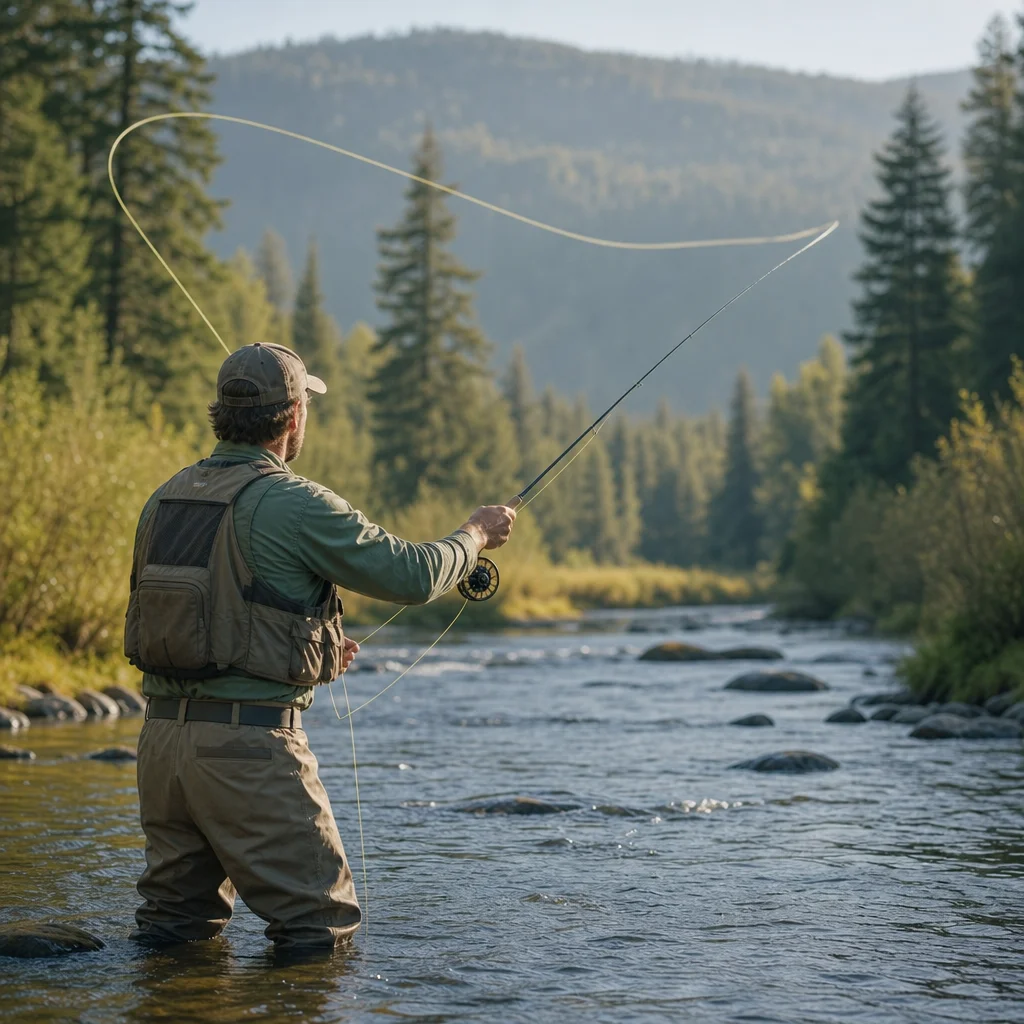
Start with the day, not the gear
A light pack isn’t defined by how little you carry. It’s defined by how little you carry that you don’t need. On mountain and foothill streams, that means building around the day’s weather, distance, water access, and fishing method rather than filling every pocket because it exists.
Your pack should answer five questions:
- How will you fish?
- What happens if the weather changes?
- How will you get water and calories?
- What do you need for a minor problem or injury?
- How will you handle a trout responsibly?
If an item doesn’t support one of those needs—or solve a likely problem—it deserves a hard look.
The core load: tackle that earns its place
For most walk-in trout outings, your basic tackle can fit in a small chest pack, sling, or compact daypack. The exact contents depend on your rod, line, and preferred flies, but the principle stays the same: carry a useful range, not your entire fly bench.
A sensible tackle core
- Your rod, reel, and line suited to the water
- A small fly box with a limited selection of proven patterns
- Tippet in the strengths you actually use
- Nippers or line clippers
- Hemostats or forceps with a practical grip
- A small measure for checking fish length, if you use one
- A few split shot or other permitted weight options, where appropriate
- A small amount of floatant or sinkant if your presentation requires it
- Spare leaders, or leader material for rebuilding one
A compact fly box usually beats several half-filled boxes. Choose patterns that cover the conditions you’re likely to encounter: a few dry flies, nymphs, and streamers in useful sizes and colors. You don’t need every variation of a mayfly, caddis, or attractor. You need enough choices to adjust when the trout decline your first offer.
Keep a backup leader and extra tippet separate from the fly box. A leader can fail on a branch, a rock, or a fish that was more enthusiastic than expected. Replacing it should be a simple repair, not a search through six layers of gear.
Make small tools easy to reach
The tools you use repeatedly shouldn't be buried under lunch. Put nippers and forceps where you can reach them with one hand. A tool that is technically in your pack but practically inaccessible tends to become a tool you don’t use—or a reason to handle a fish longer than necessary.
Use a small pouch or zippered compartment for loose tackle. Tiny items have a remarkable talent for migrating to the bottom of a bag and hiding beside the emergency snack.
Carry what protects the day
Safety supplies aren't excess. They’re the compact equipment that prevents a small problem from becoming a long walk in wet clothing or an avoidable emergency.
Your basic safety layer should include:
- A compact first-aid kit for cuts, blisters, hooks, and minor sprains
- A charged phone in a waterproof pouch or case
- A small headlamp, even for trips planned during daylight
- Fire-starting supplies where legal and appropriate, protected from moisture
- A whistle or another simple signaling device
- A lightweight emergency layer or shelter appropriate to the terrain
- Basic navigation support, such as a map, compass, or offline map on your phone
- Any medication you may need during the outing
You don’t need to turn a half-day fishing trip into an expedition. You do need enough backup to manage a delayed return, an unexpected temperature drop, or a fall that leaves you shaken but still able to help yourself.
A headlamp is particularly easy to justify. It weighs little, takes up little space, and is useful when a promising pool turns into several more promising pools and your timing becomes optimistic. Keep the batteries charged and check them periodically.
Check the stream plan: Before leaving, confirm current access rules, fishing regulations, weather, and any fire or road restrictions for your destination. Local conditions can change, and a minimalist pack is no substitute for knowing whether the route or water is suitable that day.
Layers beat a heavy jacket
Mountain and foothill weather can shift quickly, especially when you’re wet from wading, sweating on a climb, or standing in shade. Pack clothing that manages those changes instead of carrying one bulky item for every possible condition.
A useful clothing system often includes:
- A moisture-managing base layer
- A compact insulating layer, such as a fleece or light synthetic jacket
- A wind or rain shell
- A spare pair of socks in a waterproof bag
- A brimmed hat or warm hat suited to the forecast
- Sun protection, including sunglasses and sunscreen
Your wading clothing is part of this decision. If you’re wearing breathable waders, plan for the conditions underneath them rather than assuming the waders provide warmth. If you’re wet-wading, carry enough dry clothing to make the return trip comfortable and safe.
Avoid cotton as your primary cold-weather layer. It absorbs water and dries slowly, which is unhelpful when the air cools or you’re far from the vehicle. A lightweight synthetic or wool layer gives you more flexibility for less bulk.
Pack the rain shell where you can reach it without unpacking everything. A forecast can be correct and still fail to describe the exact moment a cloud decides to park over your section of stream.
Water and food aren't optional weight
Water is one of the items that deserves space even when the trail is short. Don’t rely on the stream simply because it looks clear. Mountain water can contain organisms or runoff that make it unsafe to drink without appropriate treatment.
Carry enough treated water for the planned outing, or carry a reliable filtration or purification method when you know you’ll need to refill. Follow the product’s instructions, and remember that some treatment methods address organisms differently. If you’re unsure whether a source is suitable, use the water you brought or treat it appropriately.
Food can stay simple:
- A dense snack you’ll actually eat
- Something with carbohydrates for steady energy
- A small amount of salt or electrolytes if conditions call for it
- A little extra food for an outing that may run longer than planned
Reusable bottles or a hydration reservoir reduce waste and keep drinking convenient. Put water where you can access it without removing the pack if possible. Dehydration is an easy problem to prevent and an annoying one to discover halfway up the trail.
Fish-handling equipment belongs in the essentials
If you’re targeting trout, plan for releasing them carefully. You don’t need a large collection of specialized tools, but you do need a system that reduces time out of the water.
Carry:
- A rubberized, knotless landing net if a net is appropriate for the stream and fish size
- Forceps or hemostats for removing hooks
- A barbless or debarbed hook setup where permitted and suitable for your fishing
- A small waterproof phone pouch if you plan to take photographs
- Wettable hands or a way to keep your hands wet before handling a fish
A net isn’t mandatory for every small-stream situation, but it can reduce handling and prevent a fish from being dragged across rocks. Choose one that fits your fishing style and can be secured so it doesn’t catch on branches.
Before touching a trout, wet your hands. Keep the fish in or close to the water, support it without squeezing, and avoid prolonged photographs. If the fish is deeply hooked or difficult to release, cut the line close to the hook rather than causing additional damage while trying to retrieve it. Follow local rules for species, size, bait, hooks, and harvest; those details vary by location and season.
What usually doesn’t deserve space
The easiest way to lighten a pack is to remove duplicates and unlikely solutions.
Consider leaving these behind unless the specific trip justifies them:
- Multiple fly boxes with overlapping patterns
- Large tool kits when one multitool or a few dedicated tools will do
- Several spools of tippet you never use
- Heavy hard-sided containers for soft, small tackle
- Extra clothing that duplicates your insulation and shell system
- A camera when your phone handles the job
- Full-size food packaging and bulky drink containers
- Gear for techniques you aren’t planning to fish
- “Just in case” items with no clear plan for using them
The goal isn’t to become so frugal that a broken tippet feels like a crisis. Carry backups for high-consequence or high-likelihood problems. Skip backups for low-consequence inconveniences you can reasonably tolerate.
Build the pack in layers
Pack in this order:
- Immediate access: nippers, forceps, flies, tippet, water, and snacks.
- Weather access: rain shell, insulating layer, and hat.
- Safety access: first aid, phone, headlamp, navigation, and emergency items.
- Protected storage: dry socks, spare clothing, food, and anything vulnerable to water.
- Low-use items: backup tackle and equipment needed only for a specific contingency.
Keep heavier items close to your back and centered. Balance the load so it doesn’t swing when you climb over rocks or step through uneven current. Secure loose straps and avoid dangling gear that can snag vegetation or enter the water.
Before each trip, empty the pack completely. Remove trash, used tippet, damp clothing, and tackle you packed for a different kind of fishing. Then rebuild it for the next outing. This takes a few minutes and prevents the slow accumulation of a portable junk drawer.
A simple decision test
For every item, ask:
- Will I probably use it?
- If I don’t carry it, can I safely manage without it?
- Does it solve a problem that would be serious, uncomfortable, or expensive to ignore?
- Can a smaller or lighter item do the same job?
- Is it already covered by something else in the pack?
Keep the answer clear. Your minimalist trout pack should support the fishing, the walk, and the return—not become the main event. Start with the core tackle, add water and weather protection, include compact safety and fish-handling supplies, and remove duplicates after every outing. The best pack is light enough to forget while you’re casting, but complete enough that a small surprise stays small.