How to Build a Practical Gear System for Bank Fishing
Bank fishing rewards a gear system that keeps essentials accessible without turning every shoreline walk into a pack-out. I’ll show you how to balance tackle, clothing, food, and landing tools for safer, simpler days beside the water.
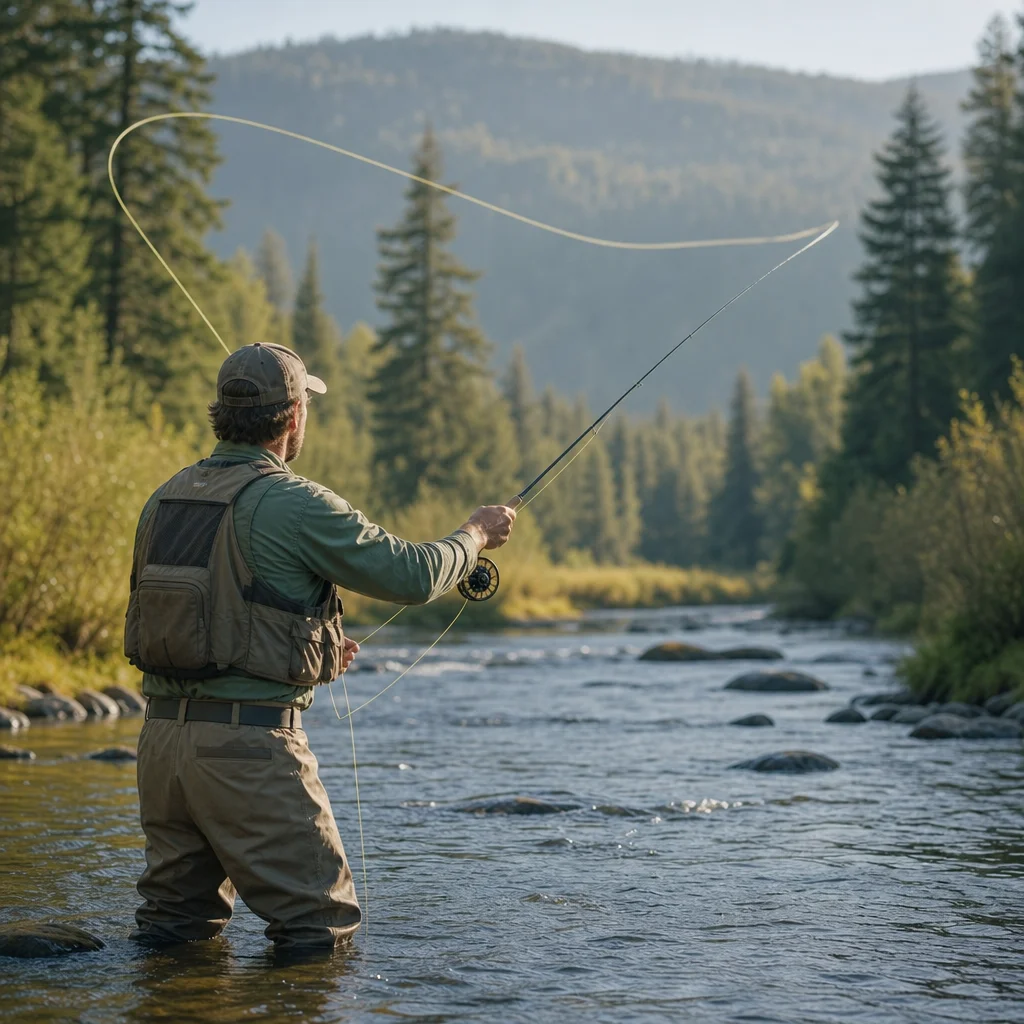
Bank fishing puts a different demand on your equipment than wading does. You may cover a mile of shoreline, climb over roots, cross loose rock, or spend an afternoon moving between pools. Everything you carry has to earn its place, stay reachable, and help you deal with changing weather and fish safely.
The goal isn’t to own the lightest possible pack. It’s to build a system that lets you fish comfortably, respond to small problems, and avoid carrying a jumble of equipment you rarely use.
Start with the day, not the gear
Before choosing a pack or filling a vest, picture the fishing day you’re preparing for. A short session at a familiar park has different needs from a full day on a remote trout stream.
Consider four questions:
- How far will you walk from the vehicle?
- Will you stay in one spot or move frequently?
- What surfaces and obstacles will you encounter?
- What weather, temperature, and daylight changes are likely?
A short, warm-weather outing may require only a small shoulder bag, water, basic tackle, and a landing net. A longer walk through uneven terrain calls for more water, spare layers, food, first-aid supplies, and a more secure way to carry your equipment.
This simple assessment prevents two common mistakes: bringing an expedition’s worth of equipment to a roadside access point, or packing so little that a minor problem ends the day.
Build around five gear groups
Organizing your system by function makes it easier to pack, find, and restock. Keep the categories consistent even if the containers change.
1. Fishing tackle
Your tackle group should cover the methods you actually plan to use, not every method that might work.
For a basic fly-fishing session, that may include:
- A rod and reel suited to the local fish and flies
- A floating line or other line appropriate to the planned presentation
- A small fly box with a focused selection
- Leaders and tippet in the sizes you expect to use
- Nippers or line clippers
- Forceps or hemostats for removing hooks
- Strike indicators, split shot, or floatant when appropriate
- A few spare flies and leaders
Carry backups for items that can end a session, especially leaders, tippet, and flies. You don’t need three boxes of every pattern. A compact box with a few proven shapes in several sizes is easier to manage and less likely to become a traveling junk drawer.
Pack frequently used items where you can reach them without taking off your bag. Put less-used backups in a protected interior pocket or small pouch.
2. Clothing and personal protection
Clothing is part of your safety system, even when you never enter the water. Bank anglers often face wind, brush, sun, insects, and wet ground.
Useful choices include:
- A brimmed hat or cap for sun and glare
- Polarized sunglasses with a retainer
- A breathable base layer appropriate to the temperature
- A light insulating layer
- A rain shell or wind layer
- Long pants suited to brush and terrain
- Sturdy footwear with good traction
- Insect protection when conditions call for it
- Sunscreen and lip balm
Dress for the coldest and wettest part of the planned outing, not just the conditions at the trailhead. A packable layer takes little space and can make it much easier to stay focused when the wind rises.
Avoid relying on ordinary running shoes where the bank is muddy, steep, or covered in loose rock. You don’t necessarily need waders, but you do need footwear that matches the ground. If you use felt, studded, or other specialized soles, check local rules and consider how they may transport aquatic organisms between waters.
Check the shoreline conditions: Before leaving, look at the forecast, daylight, access information, and local rules for the water you’ll fish. Adjust footwear, layers, traction, and your turnaround time if conditions are changing.
3. Food, water, and emergency supplies
Food and water are easy to underestimate because they don’t help you catch a fish. They do help you make sound decisions when the walk takes longer than planned.
Carry more water than you expect to drink if the route is remote or the weather is warm. Don’t assume clear-looking stream water is safe to drink without appropriate treatment. A bottle or hydration reservoir is usually simpler than depending on an unplanned refill.
For food, choose items that tolerate a pack and can be eaten quickly:
- Sandwiches or wraps
- Trail mix or nuts
- Energy bars
- Dried fruit
- Crackers or other sturdy snacks
Your emergency kit can stay small while still being useful. Consider a basic first-aid kit, blister treatment, a whistle, a charged phone, a small power bank for longer outings, and a headlamp. A lighter or fire-starting item may be appropriate in some settings, but use it only where permitted and safe. It should never substitute for planning a timely return.
A paper map or downloaded offline map can be valuable where cellular coverage is inconsistent. Tell someone where you’re going when the route is remote, and give them a reasonable return time rather than simply saying you’ll be out fishing.
4. Landing and fish-care equipment
A landing net is often more useful from shore than anglers expect. It helps you control a fish without dragging it across gravel, grass, or brush. Choose a net with a handle long enough for the banks you fish, but not so long that it becomes awkward to carry.
A rubber or rubber-coated mesh is generally easier on fish than rough knotted mesh. Keep the net secured to your pack, belt, or vest so it doesn’t snag while you walk. A magnetic release can be convenient, but the attachment should be strong enough to prevent losing the net in current or brush.
Also carry forceps for hook removal and, where appropriate, a small line-management tool. Wet your hands before handling a fish, keep it close to the water, and limit its time out of the water. If the fish is deeply hooked or can't be released safely, follow the rules and best practices for that fishery rather than forcing a quick removal.
A camera is optional. If you bring one, prepare its storage before the first fish is hooked. A phone that gets dropped while you search for a pocket is an expensive landing tool.
5. Carrying and organization
The best container is the one that fits your route and keeps important items accessible. Options include a small daypack, sling pack, chest pack, hip pack, or shoulder bag.
A daypack is useful when you need extra clothing, food, and water. A sling or hip pack may be better for short, mobile sessions. A chest pack keeps tackle close but may leave less room for layers and emergency supplies.
Whatever you choose, look for:
- Comfortable straps that stay secure while walking
- Water-resistant or protected compartments
- Simple access to tackle and tools
- A place to carry water
- Attachment points for a net or jacket
- Enough capacity for the route, without excessive empty space
Use small pouches by purpose rather than placing loose items in every pocket. For example, keep terminal tackle in one pouch, personal protection in another, and emergency supplies in a separate waterproof bag. Consistent placement matters more than the brand or style of the pack.
Pack for access, not just capacity
A practical packing order keeps the items you may need quickly near the top or on the outside:
- Water and a snack
- Rain or insulating layer
- First-aid and emergency supplies
- Fly box and leaders
- Landing net and fish-care tools
- Spare tackle and less-used items
Keep heavy items close to your back and avoid letting tools hang where they can catch on branches. Cover sharp hooks, and store flies so they can’t work loose inside the pack. A small waterproof case or zippered pouch protects essentials from rain, spray, and an accidental dunking.
Before walking away from the vehicle, do a quick tactile check: rod, reel, pack, water, net, phone, and keys. This is less glamorous than tying on a fly, but it prevents a surprising number of shortened trips.
Use a minimum viable load
Start with the smallest system that safely supports your usual outing. Add equipment only when it solves a recurring problem.
A minimalist bank-fishing load might contain a rod and reel, one fly box, leaders and tippet, nippers, forceps, polarized glasses, water, a snack, a layer, a phone, and a landing net. Longer or more remote trips can add a first-aid kit, headlamp, navigation backup, spare clothing, and additional food.
After each outing, separate items into three groups:
- Used and necessary
- Not used but useful as backup
- Carried without a clear purpose
The third group is where the system becomes lighter. Don’t remove safety equipment merely because you didn’t need it; remove duplicate tools, excessive tackle, and items included from habit rather than conditions.
Prevent the problems that end bank-fishing days
Several small failures are common and easy to reduce:
- Wet essentials: Use waterproof pouches for phones, maps, matches, and spare layers.
- Lost tools: Attach nippers and forceps with retractors or secure clips.
- Snagged equipment: Keep straps short and cover exposed hooks.
- Cold hands: Carry a warm layer and avoid packing gloves where they’re difficult to reach.
- Empty water bottle: Check your water before leaving the access point.
- Overloaded pack: Remove duplicate flies and tools before buying a larger bag.
- Uncontrolled fish: Keep the net ready and know your release sequence before hooking up.
A system is working when you can solve these problems without unpacking everything on the bank.
A simple setup for your next outing
For a beginner-friendly day on a familiar shoreline, pack one rod, one reel, one focused fly box, leaders and tippet, nippers, forceps, a rubber-mesh net, water, food, sunglasses, a hat, a light layer, a phone, and a small first-aid kit. Add traction or more substantial footwear when the ground demands it.
For a longer walk, add a second layer, rain protection, more water and food, navigation backup, a headlamp, and a power bank. Keep the added equipment organized rather than simply filling unused pack space.
The practical test is straightforward: you should be able to reach your tackle, protect yourself from a change in conditions, handle a fish responsibly, and find your way back without carrying a full shop. Build around those needs, then refine the system after each trip. Your gear should support the fishing—not become the main event.