What to Keep in a Small Emergency Kit for Remote Trout Water
I’ll help you assemble a compact emergency kit for remote trout water, with practical choices for injuries, broken gear, navigation problems, and delays. You’ll see what earns space in a small pack—and what is better left behind.
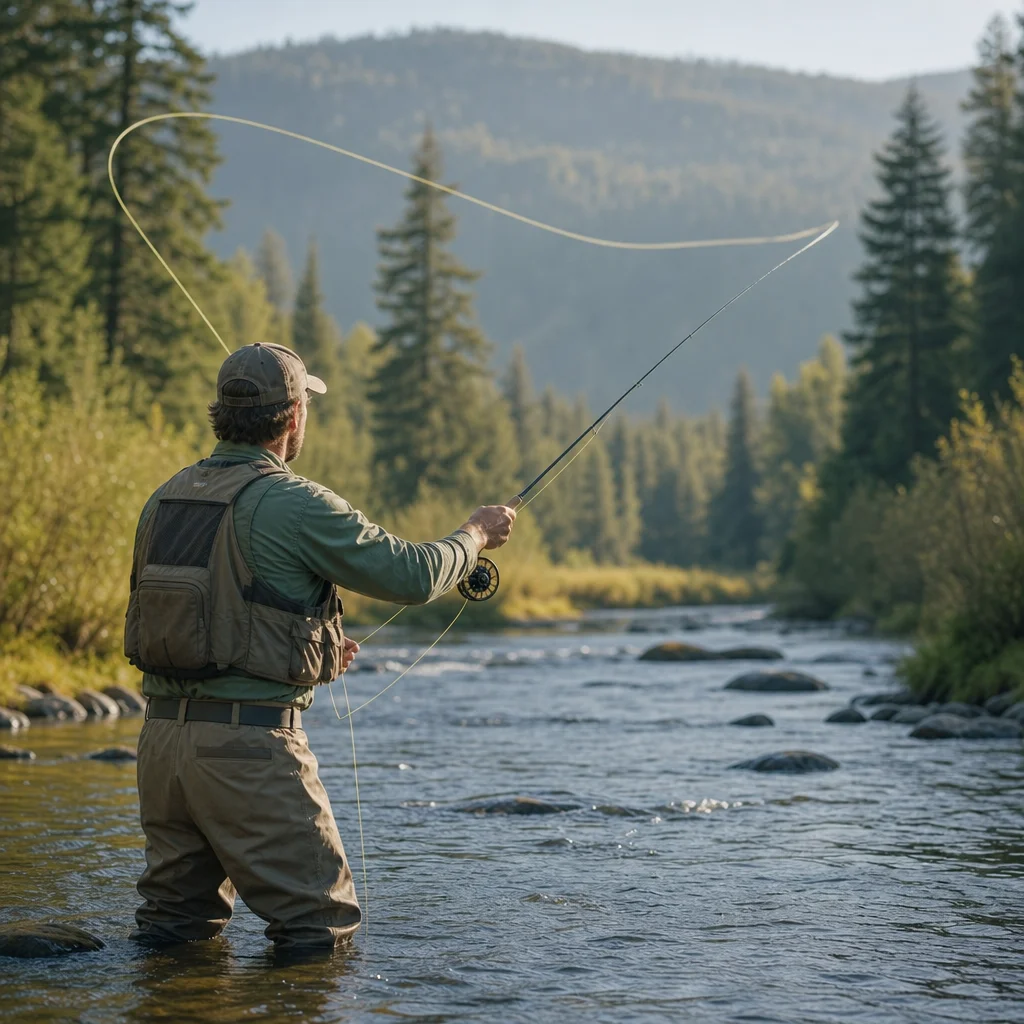
A remote trout stream can turn a minor inconvenience into a long day. A torn wader, a twisted ankle, a dead phone, or a missed junction may not be an emergency on its own, but each problem becomes more serious when you’re miles from the vehicle and daylight is fading.
The goal of a small emergency kit isn’t to prepare for every disaster. It’s to give you enough capability to stop a manageable problem from becoming a rescue situation. For most backcountry anglers, that means prioritizing communication, basic first aid, warmth, water, navigation, and a few ways to repair essential equipment.
Start with the problems you’re most likely to face
Before choosing gear, think through the route and the failure points. A compact kit for a maintained trail near a road may look very different from one for a remote drainage reached by bushwhacking.
Ask yourself:
- How far will you be from the vehicle or a reliable exit route?
- Will you be traveling alone?
- Are creek crossings, steep slopes, unstable footing, or changing weather part of the trip?
- Can you navigate without cell service?
- What piece of equipment would end the day if it failed?
- How long could you safely wait for help or walk out slowly?
This exercise keeps the kit focused. If you’re fishing a short trail beside a busy access road, you may need less shelter and food. If you’re entering unfamiliar country alone, communication and navigation deserve more space and attention.
The compact emergency kit
Pack the items below in a waterproof pouch or dry bag. Keep the pouch accessible rather than buried beneath lunch, spare layers, and fly boxes.
1. A dependable way to call for help
A charged phone is useful for maps, weather information, and emergency calls, but it isn’t a complete backcountry communication plan. Coverage can disappear as soon as you drop into a canyon or cross a ridge.
Consider carrying one of these options based on the trip:
- A phone in a protective case, with offline maps downloaded before leaving service
- A small power bank and the correct charging cable
- A satellite messenger or satellite communicator for areas without cellular coverage
- A whistle for attracting attention over running water or through timber
A satellite device is only useful if you understand its functions, keep it charged, and know how to send a location or emergency message. Store it where you can reach it without unpacking your entire bag.
A whistle weighs almost nothing and can be more effective than shouting, especially if you’re injured or separated from a partner. Three repeated blasts are widely recognized as a distress signal, but local practices and group plans still matter.
2. A small first-aid selection
You don’t need a full medical bag for a day of fishing, but you do need supplies for the injuries that can stop you from walking comfortably. A compact kit should generally include:
- Adhesive bandages in several sizes
- Gauze pads and medical tape
- Antiseptic wipes
- Blister treatment, such as moleskin or blister-specific dressings
- A small elastic wrap for support and compression
- Tweezers for splinters or small debris
- Nitrile gloves
- A few over-the-counter medications you already know you can safely take
- Any personal prescriptions or medically necessary items
A pressure dressing or hemostatic product may be reasonable for more remote trips, but only if you know how to use it. First-aid supplies don’t replace training, and an improvised wrap is better than a specialized product you’ve never opened.
Protect the kit from moisture. Wet adhesive and soggy gauze are poor partners when you’re trying to deal with a cut beside a river.
3. Warmth and protection from weather
An unexpected delay can become dangerous when you’re wet, tired, or exposed to wind. A lightweight emergency bivy, emergency blanket, or other compact shelter can help retain warmth and provide a visible signal.
Also consider packing:
- A waterproof or wind-resistant layer
- A warm hat or spare insulating layer, depending on conditions
- Dry fire-starting material in a waterproof container
- A small lighter plus a backup ignition method
- A sit pad or ground barrier if you expect to wait on wet terrain
Fire-starting supplies aren't an invitation to build a fire everywhere. In many areas, fires are restricted or unsafe during dry conditions. Their value may be limited to an approved location and suitable conditions, while an emergency blanket and dry clothing are useful regardless.
4. Navigation backups
A digital map can fail because of a dead battery, damaged phone, poor reception, or user error. Carry a physical map of the area and a compass, and learn to use both before the trip.
Mark the trailhead, vehicle location, planned fishing area, major junctions, bailout routes, and obvious landmarks. If you’re traveling off trail, note the drainage direction and the safest route back to a known point.
A GPS unit can add useful redundancy, but it doesn’t remove the need for basic map-and-compass skills. Batteries and electronics should support your navigation plan, not be the entire plan.
5. Water and a little food
Pack enough water for the planned outing, plus a method for treating additional water if the route is long or conditions are uncertain. Options include purification tablets, a compact filter, or another treatment method you’ve used successfully.
Carry one or two high-calorie, ready-to-eat items that won’t be ruined by heat or cold. Energy bars, nut butter packets, jerky, and similar foods can help if a short outing becomes an unplanned overnight delay.
Don't assume clear mountain water is safe to drink without treatment. Contamination can be present even when water looks clean, and treatment requirements vary by method and circumstance.
6. Simple repair supplies
Equipment failures are among the most common reasons an angler has to cut a trip short. A few small repair items can keep you mobile:
- Strong repair tape wrapped around a card or small container
- A few cable ties
- Short lengths of cord or accessory line
- A small multitool or knife, if legal and appropriate for the trip
- Spare shoelaces or lightweight utility cord
- Needle and strong thread
- A few safety pins
- Spare leader material or tippet for noncritical repairs
- A small rod-tip repair solution, if you fish far from an easy exit
Repair tape can temporarily seal a leaking wader, secure a broken pack strap, or reinforce a damaged boot. It won’t restore equipment to full strength, so treat a repair as a way to leave safely rather than permission to continue into more difficult terrain.
For waders, a patch kit designed for the material is more useful than generic tape alone. Keep it in a sealed bag, and practice locating and applying it before you need it in cold, wet conditions.
Pack for the most limiting failure
The best kit is shaped by the failure that would leave you least able to move or communicate. If a damaged boot means you can’t walk out, prioritize foot-care supplies and repair materials. If the route has frequent creek crossings, protect your insulation, phone, map, and first-aid kit from water.
A solo angler should generally carry more redundancy than someone traveling with a capable partner. Two people can share navigation tools, shelter, and communication, but each person should still carry personal medication, water, and enough clothing to remain safe if separated.
Avoid packing duplicate tools simply because they are small. A second knife may add little value; a backup way to start communication, navigate, or stay warm may add much more.
Check the route before you rely on your kit: Confirm current weather, road and trail access, land-manager rules, fire restrictions, emergency contact options, and any local requirements for satellite communication or backcountry travel. Conditions and regulations can change after you plan the trip.
Store and test the kit before leaving
An emergency kit is only useful if you can find and operate it under stress. Use a bright, identifiable pouch, and keep similar items together. A waterproof label with your name and an emergency contact can help if your pack is lost or separated from you.
Check the kit before each remote trip:
- Replace wet, expired, or damaged medical supplies.
- Recharge the phone, power bank, GPS, and satellite device.
- Confirm that offline maps cover the route.
- Test the satellite device and review its messaging procedure.
- Replace food and medications as needed.
- Inspect repair tape, cord, lighter, and water-treatment supplies.
- Tell someone your route, expected return time, and what to do if you don’t check in.
If you use a satellite messenger, make sure your emergency contacts know what messages may look like and how they should respond. A vague plan can create confusion when a device sends an automated alert.
What not to depend on
A few common assumptions create avoidable problems. Don’t depend on a phone with a nearly empty battery, a map that requires live data, or a partner who is carrying all the first-aid supplies. Don’t count on finding a dry place to shelter, starting a fire in wet weather, or receiving immediate help in a low-service area.
You also shouldn’t use the kit to justify pushing farther after an injury, equipment failure, or worsening weather. The purpose of the kit is to improve your options, not to turn a deteriorating trip into an endurance test.
A sensible small-kit checklist
For a compact starting point, carry:
- Phone, power bank, and offline maps
- Satellite communicator when coverage or remoteness warrants it
- Whistle
- First-aid and blister supplies
- Emergency blanket or bivy
- Weather-appropriate spare layer
- Water-treatment method
- High-calorie emergency food
- Map and compass
- Repair tape, cord, cable ties, and a few tool or sewing supplies
- Personal medications and protective storage for all of it
Adjust the list for the season, route, group, and distance from help. Before you walk to the water, tell someone where you’re going and when you expect to return. Then keep the kit accessible, practice the skills behind it, and treat an early retreat as a successful recovery when conditions stop cooperating.