What to Carry When the Nearest Road Is More Than an Hour Away
A remote trout day can turn uncomfortable when water, weather, or navigation goes wrong. I’ll help you build a sensible loadout that covers emergencies and repairs without turning a fishing pack into a second backpacking expedition.
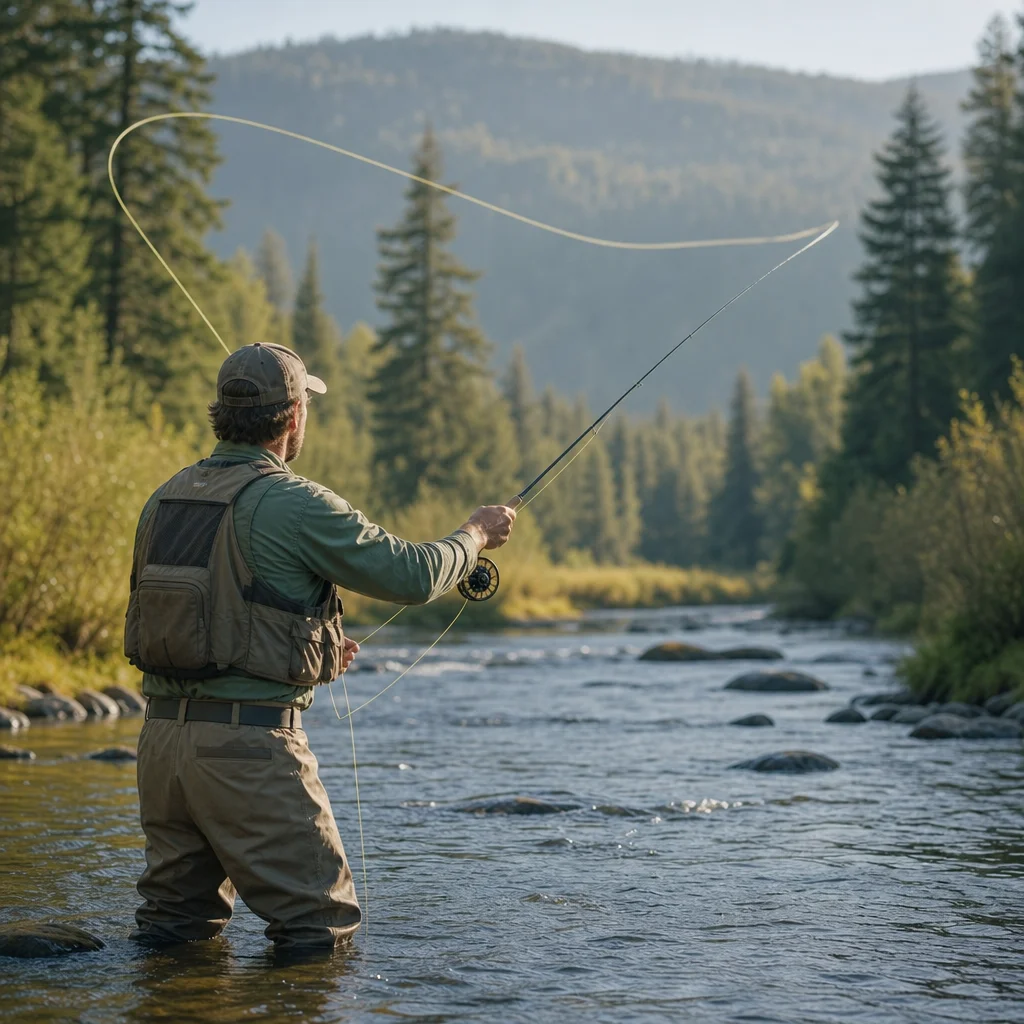
The farther you are from a road, the less forgiving a small problem becomes. A wet map, a twisted ankle, an empty water bottle, or a snapped leader can change a pleasant trout outing into a long and tiring walk out.
You don’t need to carry every item you own. You do need a deliberate system for water, navigation, shelter, communication, first aid, repairs, and enough food to stay functional if the day runs late. The right pack is built around consequences, not anxiety.
Start with the walk out, not the fishing
Before choosing flies or tippet, consider what “more than an hour from the nearest road” really means. A stated one-hour walk may assume a clear trail, good weather, and an uninjured person moving efficiently. Bushwhacking, steep terrain, high water, darkness, or a loaded pack can make that estimate meaningless.
Ask yourself:
- How long will the approach take in normal conditions?
- Could you still find the route in fog, rain, or fading light?
- Is the river crossing part of the route?
- Will you be alone?
- What happens if you can’t walk out under your own power?
- Is there reliable phone service, or would you need a satellite communicator?
Your answers determine the safety margin. A short, well-marked trail near a busy backcountry lake requires a different plan from a remote canyon reached by an unmaintained path.
The core loadout
A sensible remote-trout pack usually has eight jobs: navigation, communication, water, weather protection, first aid, food, repairs, and fish-handling equipment. Keep those categories separate enough that you can find them quickly.
Navigation and communication
Carry a paper map of the area, a compass, and a way to keep both dry. A phone with offline maps is useful, but it shouldn’t be your only navigation tool. Batteries can drain in cold weather, a device can get wet, and a downloaded map may not show an obscure junction or an informal path.
Before leaving, download the relevant map area, mark the access point, and save the intended route. Know how to return—not just how to reach the water. A small power bank and charging cable add little weight compared with the inconvenience of a dead phone.
If the area has unreliable coverage, a satellite messenger or personal locator beacon may be appropriate, particularly when you’re traveling alone or the consequences of a delay are serious. Learn how the device works before the trip. A rescue device you can’t operate under stress is mostly a very expensive button.
Tell a dependable person where you’re going, your planned route, and when you expect to return. Set a specific check-in time and explain what they should do if you miss it. “I’ll be back sometime tonight” gives them very little useful information.
Check the route before you leave: Confirm current access, closures, permits, communication coverage, weather, and any local restrictions with the relevant land manager. Conditions and rules can change, especially after storms, fires, high water, or seasonal wildlife activity.
Water and treatment
Carry enough water to reach the fishing area, plus a treatment method for additional water if reliable sources exist. Don’t assume every stream is safe because it looks clear. Agricultural runoff, upstream camps, dead animals, and seasonal contamination can all affect water quality.
A practical system might include:
- One or two bottles or a hydration reservoir for water carried from the trailhead
- A lightweight filter sized for your expected group and trip length
- Chemical tablets or another backup treatment method
- A collapsible bottle for collecting untreated water
- A way to identify untreated and treated water clearly
Filters can clog, freeze, or fail. Chemical treatment can be slower and may affect taste. Carrying both a primary and backup method is sensible when there may be no quick exit. Follow the treatment product’s instructions rather than improvising contact times.
If temperatures may drop below freezing, protect a filter from freezing. A filter that has frozen while wet may no longer work reliably even if it looks normal.
Weather protection and warmth
Remote water deserves an extra layer, even on a warm forecast. Pack a lightweight waterproof shell, an insulating layer, and something that protects your head and hands from changing conditions. Wet wading clothes can become a liability during a cold hike out, so consider packing dry socks and a thin insulating layer in a sealed bag.
An emergency bivy or compact emergency shelter is useful when an injury, wrong turn, or sudden weather change prevents a prompt return. It doesn’t replace appropriate clothing, but it can reduce heat loss while you wait or move slowly.
Use waterproof bags or liners inside the main pack. A pack cover helps with rain but may not protect gear when you set the pack on wet ground or cross a stream. Keep your map, phone, fire-starting supplies, insulation, and first-aid materials in reliable inner protection.
Fire-starting supplies can provide backup warmth or help with signaling in some settings, but fires may be prohibited or unsafe. Treat them as an emergency tool, not an assumption that you can build a camp anywhere.
First aid and foot care
A compact first-aid kit should match the terrain and your group. Include supplies for blisters, cuts, sprains, bleeding, and common personal medications. Add gloves, cleaning supplies, dressings, and tape that can hold when wet.
Foot problems are among the most likely issues to slow a long walk. Pack blister treatment before you need it, and deal with hot spots early. A small roll of athletic or medical tape, spare socks, and a few dressings can be more useful than a large collection of rarely needed items.
If someone in the group has allergies, asthma, diabetes, or another condition that could affect a remote trip, account for that specifically. Keep essential medication accessible and protected from water.
Food, light, and emergency signaling
Carry more food than you expect to eat if reaching the road could take several additional hours. Choose compact food that you’ll actually consume when tired: bars, nuts, jerky, sandwiches, or other calorie-dense options. Include some salt and carbohydrates if you’ll be walking hard or sweating.
A headlamp belongs in the pack even if you plan to return well before dark. Carry spare batteries or a charged backup light. Handheld phone flashlights are poor substitutes for a headlamp when you need both hands for balance, treatment, or route-finding.
A whistle, reflective material, and a signal mirror add little weight. A bright pack cover or clothing layer can also make you easier to spot. Keep signaling items accessible rather than buried beneath spare tackle.
Repairs that keep the day moving
Remote fishing creates several small failure points. Bring a compact repair kit rather than duplicate versions of every piece of gear.
Useful items include:
- Duct tape wrapped around a card or bottle
- A few cable ties
- Small scissors or multitool
- Spare shoelace or utility cord
- A needle and strong thread
- Adhesive patches for waders or inflatable equipment
- Spare tippet, leaders, and hooks
- Backup fly line connection materials, if relevant to your setup
- A small amount of rod or reel repair material appropriate to your equipment
Protect sharp hooks and keep them organized. A simple hook file can restore a point after contact with rocks, while a few spare flies prevent one lost pattern from ending the session.
Don’t forget the gear that protects the fish. Carry forceps or hemostats, a line clipper, and a landing net if one is appropriate for the water and regulations. Barbless or debarbed hooks can make release easier, but local rules may require particular tackle.
Pack for the fish you’re actually targeting
Remote access tempts anglers to bring a complete fly shop. Resist that impulse. Choose a small selection that covers the expected food sources, water conditions, and depth. Carry a backup leader system, but avoid bringing every size of tippet unless you have a clear reason.
A reasonable fishing load may include:
- One primary rod and reel setup suited to the water
- A compact fly box with a few proven categories rather than dozens of near-duplicates
- Leaders and tippet for the likely conditions
- Floatant or sinkant when appropriate
- Forceps, nippers, and line management tools
- Net, thermometer, or other accessories only when their benefit justifies their weight
A second rod can be worthwhile in fragile terrain or on a long trip if a broken rod would end the outing. Otherwise, it may be more useful to carry repair supplies and protect the primary rod carefully during the approach.
Use a two-layer packing system
Pack your essentials in two groups. The first is the “must function” layer: navigation, communication, water treatment, shelter, insulation, light, first aid, and food. The second is the fishing layer: tackle, tools, net, and spare equipment.
If the fishing layer gets wet, lost, or damaged, the first layer should still get you safely back. Keep emergency items near the top or in consistent pockets. You shouldn’t have to empty the pack beside a rising river to find a headlamp.
Before leaving the trailhead, check that you have the essentials physically in the pack—not merely on a list at home. Weigh the loaded pack, then remove items that duplicate a function without adding meaningful resilience.
A simple decision rule for weight
For every item, ask three questions:
- What problem does this solve?
- How likely is that problem on this trip?
- What happens if I don’t have it?
An extra fly box usually has a low consequence if omitted. A missing water-treatment backup may have a much higher consequence. A bulky gadget that solves a rare, minor inconvenience is a candidate for removal; a small item that prevents a dangerous delay usually earns its place.
Conditions can change the answer. In warm, dry weather, extra water capacity may matter more than an insulating layer. In cold rain, dry clothing and shelter become more important. On a solo trip, communication and emergency planning deserve greater attention than they might on a group outing.
Before you step onto the trail
Make these final checks part of the routine:
- Check the forecast for the entire route, not only the destination.
- Confirm access rules, permits, closures, and fishing regulations.
- Tell someone your route and return deadline.
- Test navigation and communication devices.
- Fill or pack your initial water supply.
- Check that treatment, first aid, light, and shelter are accessible.
- Inspect waders, boots, rod sections, pack straps, and water containers.
- Set a turnaround time that allows a slower walk out.
Remote trout water rewards preparation, but preparation doesn’t require a giant pack. Carry enough to stay warm, hydrated, oriented, and capable of dealing with a delay. Then trim the duplicates and leave room for the day’s simplest reward: reaching the water with enough energy left to fish it carefully.