What Should You Carry When a Short Trout Trip Turns Into a Cold, Wet Wading Day?
When a quick trout outing becomes a cold, rain-soaked wading day, the right few items matter more than a heavily loaded pack. I’ll help you build a compact safety kit, recognize changing risk, and decide when to leave.
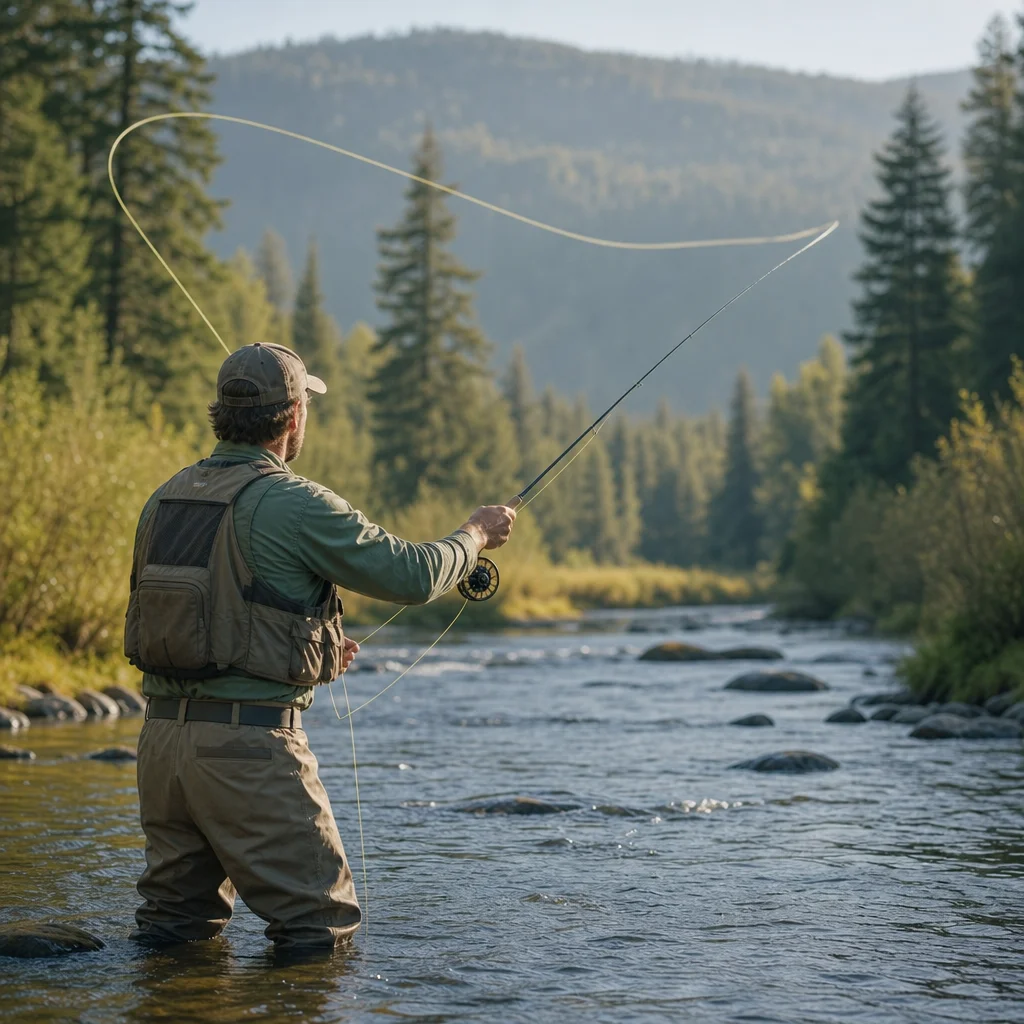
A short trout trip can become a cold, wet wading day faster than expected. A forecast shifts, a trail takes longer, or steady rain soaks the jacket you trusted for an hour. Once you’re wet and chilled, comfort becomes a safety issue—not merely an inconvenience.
The answer isn’t carrying your entire camp on every stream. It’s choosing a small set of items that preserves warmth, communication, food, and an easy route out. Your packing should also leave room for a change of plan: lower water, a shorter outing, or no fishing at all.
Start with the conditions, not the fish
Before leaving, consider the combination of air temperature, water temperature, wind, rain, daylight, and distance from the road. Any one of these may be manageable. Together, they can make a familiar stream hazardous.
Mountain weather is especially changeable. A cool morning can become windy and wet by afternoon, while runoff or a storm upstream can raise a creek after the sky above you still looks harmless. In the Pacific Northwest, persistent rain can also turn an easy path into slick mud and make stream crossings less predictable.
Ask yourself three basic questions:
- How long will it take to reach the vehicle or a reliable shelter?
- What will keep you warm if your outer clothing becomes wet?
- How will someone know where to look if you’re delayed or injured?
If you can’t answer those questions, the trip isn’t ready—even if you only intend to fish for an hour.
Check today’s route and water conditions: Before you leave, review the current weather, forecast, daylight, road or trail access, and any local stream, river, fire, or land-use notices. Conditions and regulations can change, so confirm details with the relevant land manager or fish and wildlife agency for your destination.
The minimalist cold-and-wet kit
A small waterproof or water-resistant pack should carry the items that protect your ability to walk out. Keep the list short enough that you’ll actually bring it on a “quick” trip.
1. A dry insulating layer
Pack a lightweight fleece, synthetic insulated jacket, or wool layer in a sealed dry bag. Synthetic insulation is often a practical choice in damp conditions because it continues to provide some warmth when humidity rises. Down can work when carefully protected, but it loses much of its insulating value when wet.
The spare layer should be genuinely dry, not the shirt you wore in the car. Put it on when you stop moving and begin cooling, or when your fishing clothes are soaked enough that continued activity no longer keeps you warm.
Don’t wait until you’re shivering hard. Changing into a dry layer early is easier than trying to recover after you’ve become exhausted and cold.
2. Rain protection for your body and gear
A waterproof shell with a hood is more useful than a collection of light “just in case” clothing. Choose one large enough to fit over your fishing layers without restricting your casting or walking.
Pack spare gloves and a warm hat in a sealed bag. Hands lose dexterity quickly when wet, and numb fingers make it harder to manage zippers, knots, wading belts, or a phone. Lightweight waterproof over-mitts can help, but they shouldn’t replace gloves that provide insulation.
Use dry bags or sturdy waterproof pouches inside the pack for the items you can't afford to soak: insulation, phone, matches or lighter, food, and any medication. A rain cover over the pack is useful, but it shouldn’t be your only waterproofing. Covers can shift, and water can still enter through the back panel or openings.
3. A communication method
Carry a charged phone in a waterproof case or sealed pouch. Store it where you can reach it without emptying the pack, but protect it from repeated immersion. A small power bank is worthwhile on longer walks or in cold weather, when batteries may drain more quickly.
If you fish remote country or routinely lose cellular service, consider a satellite messenger or personal locator beacon. Learn how it works before the trip, including how to send a check-in, location, or emergency message. A device you don’t know how to operate is mostly a small brick with buttons.
Tell someone your destination, route, vehicle location, and expected return time. Agree on what “late” means and what action they should take. A vague message such as “I’ll be back this afternoon” is less useful than a route and a specific check-in time.
4. Food and drink
Pack water and a compact, high-energy snack that you can eat without cooking. Energy bars, nuts, jerky, or other familiar food work well. Keep one portion reserved for the walk out rather than eating everything during the fishing portion of the day.
Cold and wet conditions make physical work feel harder. Crossing carefully, climbing a muddy trail, or walking back in waders can consume more energy than expected. Food won’t solve hypothermia, but it can support the effort required to reach shelter.
A warm drink in a sealed thermos can be welcome, especially on a planned cold outing, but it shouldn’t encourage you to stay longer than your clothing and conditions allow. Alcohol isn't a warming strategy; it can impair judgment and contribute to poor decisions in cold conditions.
5. Basic repair and first-aid items
Carry a small first-aid kit suited to the trip. Include supplies for blisters, cuts, minor sprains, and any personal medication. Add tape, a multitool or small knife, and a few pieces of repair material for a torn strap, wader leak, or broken buckle.
A lighter or waterproof fire starter may be useful where fires are legal and safe, but don’t rely on making a fire in wet weather. Fire restrictions, local rules, and the availability of dry fuel vary. Its primary value is as a backup tool—not as your only plan for getting warm.
Pack for a shorter day than planned
A useful rule is to pack for the walk out, not the ideal fishing session. If the plan is a two-hour trip, your equipment should still support a safe return after four hours of rain, a delayed crossing, or a slower pace caused by slippery ground.
That doesn’t mean adding every item you own. It means carrying the few things that change the outcome:
- Dry insulation
- Waterproof shell and spare hand protection
- Food and water
- Charged communication device
- Small first-aid and repair kit
- Headlamp with fresh or recently checked batteries
- Map or offline route information
- Wading belt and a suitable traction or crossing plan
A headlamp deserves a place even on a daylight trip. Dark clouds, a late start, an injury, or a wrong turn can turn an afternoon exit into a low-light walk. A flashlight app is a poor substitute if your phone battery is also your emergency communication method.
Decide when wading is no longer sensible
Cold, wet wading becomes more dangerous when you’re tired, numb, rushed, or focused on saving a fishing spot. Don’t make the decision only by asking whether the water looks high. Also consider how stable your footing is, whether you can retreat safely, and what would happen if you fell.
Stop and reassess when:
- You’re shivering continuously or struggling to control it.
- Your hands are too numb for reliable knots, buckles, or phone use.
- You’re stumbling, confused, unusually quiet, or making uncharacteristic mistakes.
- Your clothing is soaked through and you have no realistic way to warm up.
- Rain, wind, or falling temperature is worsening while daylight is disappearing.
- The stream has changed enough that your original crossing no longer looks safe.
- You’re depending on one risky crossing to reach the vehicle or trail.
Shivering, fatigue, confusion, slurred speech, clumsiness, and unusual drowsiness can be signs of dangerous cold exposure. Treat those symptoms seriously. Get out of the water, add dry insulation, protect yourself from wind and rain, and seek appropriate help. If someone is confused, severely impaired, or unable to warm themselves, contact emergency services rather than relying on continued fishing or a long self-rescue.
Cold water also creates a separate drowning risk. If you fall, prioritize getting stable and out of the current. Don’t attempt a difficult recovery of a rod, net, or tackle box while you’re cold or being swept downstream.
Use an exit plan before you need it
Identify at least one early exit and one fallback route before stepping into the stream. Mark where the trail returns to the road, where a bridge or safe crossing is located, and how long each option takes. An offline map can help if service disappears, but download it before leaving coverage.
Set a turnaround time based on daylight and the slowest reasonable return—not the time you hope to finish fishing. If the weather deteriorates, leave before that deadline. Waiting for “one last fish” is how a small delay becomes a dark, wet hike.
When possible, fish with a partner. Stay close enough to communicate, and agree on what conditions will end the outing. If you’re alone, be more conservative about wading, route changes, and return time. Leave your trip details with someone who will notice if you don’t check in.
Keep the fishing plan flexible
The minimalist approach works best when you accept that the goal is a safe, enjoyable outing—not a predetermined number of casts. A cold, wet day may call for fishing from the bank, moving to a shorter accessible section, or turning around after checking the water.
Wear your wading belt correctly, keep essential gear secured, and avoid carrying loose items that can become a hazard during a fall. If your waders fill with water, the situation changes immediately: get to a safe position, leave the current, and begin the return rather than treating the problem as a minor inconvenience.
After the trip, dry your layers, inspect waders and straps, recharge communication devices, and replace anything used from the first-aid or food kit. The best emergency item is the one that’s ready for the next outing.
A compact decision checklist
Before a cold-weather wading trip, confirm that you have:
- A dry insulating layer sealed from rain
- A waterproof shell, warm hat, and spare gloves
- Food, water, and a way to keep essentials dry
- A charged phone or appropriate emergency communicator
- A headlamp, basic first aid, and simple repair supplies
- A known route, turnaround time, and check-in plan
- A clear response to worsening weather, rising water, or cold symptoms
If the forecast, access, or water conditions make the return uncertain, shorten the route or postpone the wading. A trout stream will still be there later. Your warm, dry vehicle is allowed to win the day.