How to Plan a Safe First Wading Trip After Winter
A familiar river can be more hazardous in spring than a new one in summer. I’ll help you reassess cold water, flows, clothing, footwear, and companions before your first post-winter wading trip.
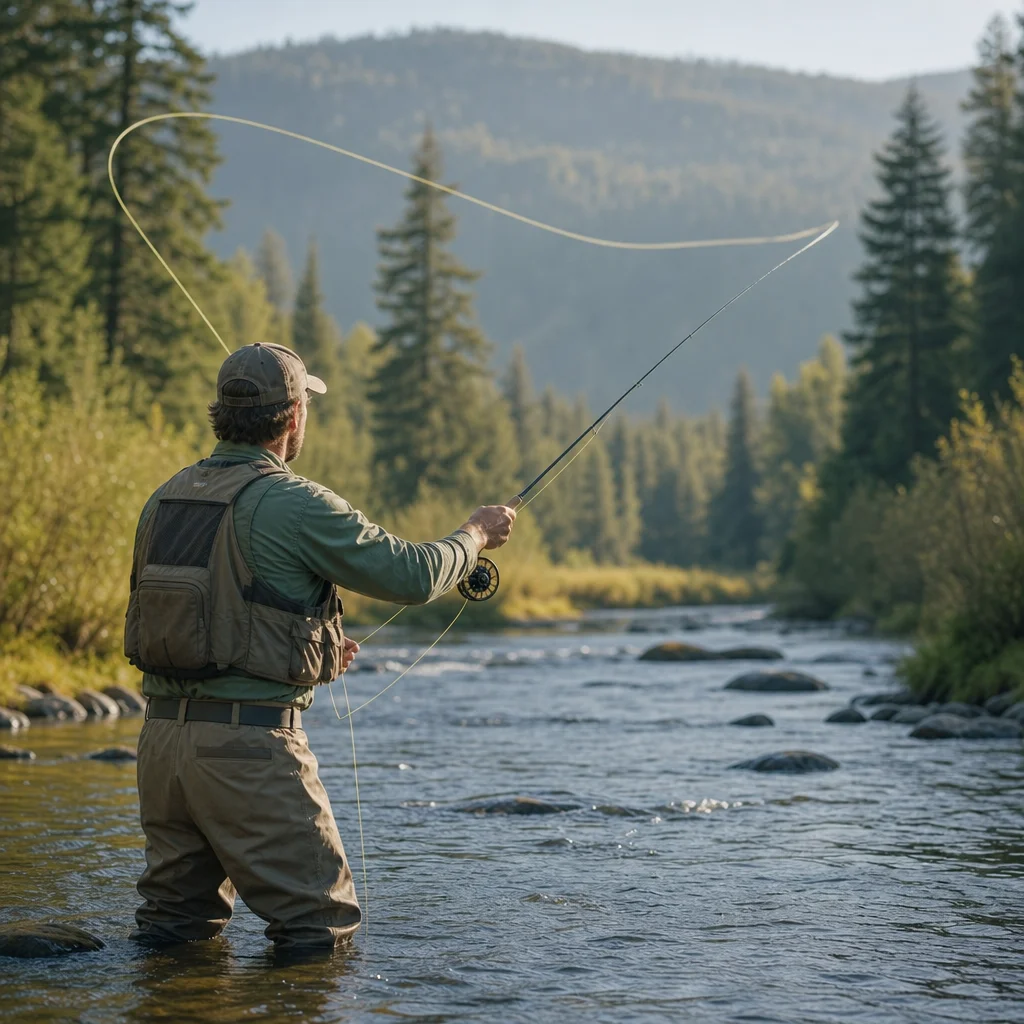
The river may look familiar, but your first wading trip after winter isn't a routine outing. Snowmelt, rain, cold water, slippery footing, and higher flows can turn a short crossing into a serious problem. Your confidence may also be ahead of your balance after several months away.
A safe return starts with treating the trip as a fresh assessment rather than a continuation of last season. You don’t need an expedition’s worth of equipment, but you do need a conservative plan, suitable clothing, and at least one person who knows where you are.
Start with the river, not the fishing spot
Before deciding where to fish, look at the conditions that will shape the entire day.
Check the weather forecast for the river valley, not only your home or the nearest large town. Air temperature, overnight lows, rain, wind, and rapidly warming afternoons can all affect comfort and stream conditions. In early spring, a pleasant forecast may still mean very cold water and muddy access roads.
Check recent and current streamflow information when it’s available. A river that is technically fishable at one flow may be difficult or unsafe at another. Pay attention to the recent trend as well as the current reading: a rising river can make familiar banks and crossings change during your visit.
Look for these warning signs before you leave:
- Recent heavy rain or rapid snowmelt
- Rising water levels or visibly increasing current
- Floating branches, ice, or other debris
- Turbid water that hides rocks and drop-offs
- High winds, thunderstorms, or freezing conditions
- Access roads, bridges, or trails that may be muddy, icy, or closed
Confirm today’s conditions: Before you drive, check the latest forecast, streamflow information, access notices, and local fishing regulations for the specific river section. Conditions and rules can change quickly after winter weather.
If the data is confusing, ask an experienced local angler, fly shop, land manager, or relevant agency for a current assessment. You’re not trying to prove that the river is fishable. You’re deciding whether the risks are reasonable for your first outing back.
Reassess familiar crossings
One of the easiest mistakes is assuming that last year’s crossing is still the right crossing. Winter can move gravel, undermine banks, shift channels, and leave new obstacles behind. Higher spring flows can also make a shallow-looking section deceptively powerful.
When you arrive, stop and observe before putting on your waders. Look for a route with broad, even footing and a clear exit on the opposite bank. Avoid crossing above waterfalls, steep drops, logjams, deep pools, or areas where a slip would funnel you into stronger current.
In general, crossing is safer at the narrowest part of a broad, shallow section—not necessarily at the shortest route between two points. A slightly longer route with a gentle bottom and easy exits is usually the better choice.
You may decide not to cross at all. Fish the bank you’re on, move to a bridge-accessed section, or return another day. A successful trip doesn’t require reaching every promising pocket.
Use a deliberate crossing technique
If you do wade, keep the following habits in place:
- Face upstream or slightly across the current. This helps you see obstacles and maintain a stable position.
- Keep your body angled into the flow. Don’t turn sideways and let the current push against a broad surface.
- Take short steps. Slide or shuffle your feet instead of lifting them high and placing them blindly.
- Keep two points of contact. A wading staff can provide a third point, while one foot remains planted as the other moves.
- Move one foot at a time. Don’t hurry to regain balance after a rock shifts.
- Stop if the water reaches a level that makes you unstable. There is no useful prize for wading one step deeper.
Never use a rod as a substitute for a wading staff. A rod is fragile, difficult to place securely, and valuable for reasons unrelated to crossing the river.
Build a clothing system for cold water
Cold-water risk isn’t limited to discomfort. A fall can cause cold shock, reduce coordination, and make it harder to exit the river or remove heavy gear. Dress so you can stay warm before, during, and after a possible immersion.
A practical system usually includes:
- Moisture-managing base layers
- Insulating layers that still work when damp
- Breathable outer layers for changing activity levels
- Properly sized chest or waist waders in good condition
- A waterproof shell or rain jacket when weather may change
- Warm hat, gloves, and dry clothes stored in the vehicle
Avoid cotton as your primary insulating layer. It absorbs water and dries slowly, which is a poor combination beside cold water. Don’t overdress so heavily that you sweat on the hike in, either; damp layers can make the rest of the day colder.
Before the trip, inspect waders for leaks, check that suspenders and belt hardware work properly, and make sure boots fit with the socks you’ll actually wear. Practice sitting, walking, and bending in the complete setup. A system that is awkward in the garage won't become easier on a slippery bank.
Wear the right footwear for the riverbed
Your boots need to match the bottom you’ll encounter. Felt, rubber, and studded soles each have advantages and limitations, and their legality or use restrictions vary by location. Rubber soles may be versatile, while studs can improve grip on certain hard surfaces but create their own handling and access concerns.
Check local rules before choosing or using a sole type. Clean and dry wading footwear between waters according to local invasive-species guidance. Mud, plant fragments, and standing water can transport organisms even when a trip seems uneventful.
Fit matters as much as tread. Boots that are too loose can twist on rocks; boots that are too tight can restrict movement and make your feet numb. Try them with your full layering system before the trip.
Pack for recovery, not just fishing
Your first post-winter kit should include more than flies and a net. Keep essential items accessible rather than buried at the bottom of a pack.
Consider carrying:
- A properly adjusted wading belt
- A wading staff or other suitable stability aid
- Waterproof phone protection
- A small first-aid kit
- Water and high-energy food
- Headlamp, even if you expect to leave before dark
- Whistle or another signaling device
- Dry layers and a towel in the vehicle
- Map or offline navigation backup
- Basic repair supplies for waders and tackle
A wading belt should be snug and worn as intended by the manufacturer. It may help limit water entry during a fall, but it doesn't make deep or fast water safe. If you use an inflatable or other flotation device, understand its operating limits and follow its instructions; it isn’t a replacement for conservative route selection.
Keep your phone, keys, and vehicle access protected from water. Tell someone where you’re going, which access point you’ll use, and when you expect to return. If plans change, update that person rather than relying on an uncertain signal from the river corridor.
Choose a companion and a modest plan
A first wading trip after winter is a poor time to fish alone in unfamiliar or high water. Go with someone whose judgment you trust, and agree in advance that either person can call off a crossing or end the day without debate.
Discuss the plan before entering the water:
- Where will you park and begin fishing?
- Which areas will you avoid?
- Where are the easiest exits?
- What will you do if one person falls or becomes cold?
- When will you check in or head back?
Keep the first outing short and close to reliable access. A couple of hours can tell you whether your waders, boots, layers, and balance are ready for longer trips. Save remote hikes and complicated crossings for later, after conditions and equipment have earned your confidence.
Watch your companion for shivering, confusion, unusual fatigue, clumsy movement, or trouble speaking clearly. These can indicate that the person is becoming dangerously cold. Get out of the water, add dry insulation, and seek appropriate help if symptoms are serious, worsening, or not improving. For emergencies, use local emergency services rather than trying to manage a severe situation on the riverbank.
Know what to do if you fall
The best response to a fall is prepared before it happens. If you lose your footing, try to keep your feet pointed downstream and avoid standing immediately in fast water. Protect your head, release anything that could trap you if necessary, and work toward the nearest safe bank or shallow escape route.
Don’t fight toward a planned crossing if the current is carrying you elsewhere. Move diagonally toward an open bank when possible, and use a staff only if it can help without becoming an entanglement hazard. Once out, get away from the water, assess injuries, replace wet layers, and end the trip if you’re cold, shaken, or unable to move normally.
Your plan should account for the possibility that a fall damages a phone, separates you from your pack, or leaves you downstream from your companion. Simple communication and nearby access matter more than an elaborate rescue strategy you can’t carry out.
A simple first-trip decision check
Before entering the river, ask:
- Are current conditions within my skill and comfort level?
- Is the water clear enough for me to see the bottom and identify hazards?
- Do I have a safe route in and out without relying on one difficult crossing?
- Are my waders, belt, boots, layers, and communication gear ready?
- Does someone know my plan and return time?
- Would I still be comfortable making this trip if fishing were slow?
If any answer is no, adjust the plan. Fish from shore, choose a lower-risk section, shorten the outing, or wait for better conditions.
The first wading trip after winter should rebuild judgment, not test its limits. Start with familiar access, current information, dependable clothing, and a companion who will speak up when the river looks wrong. The trout can wait while you get your footing back.