How Should You Plan a Trout Outing Around Early-Spring Runoff?
Early-spring runoff changes where trout can be approached, how safely you can reach the water, and what success should mean. I’ll show you how to connect forecasts, flow information, access checks, and backup plans before committing to a river day.
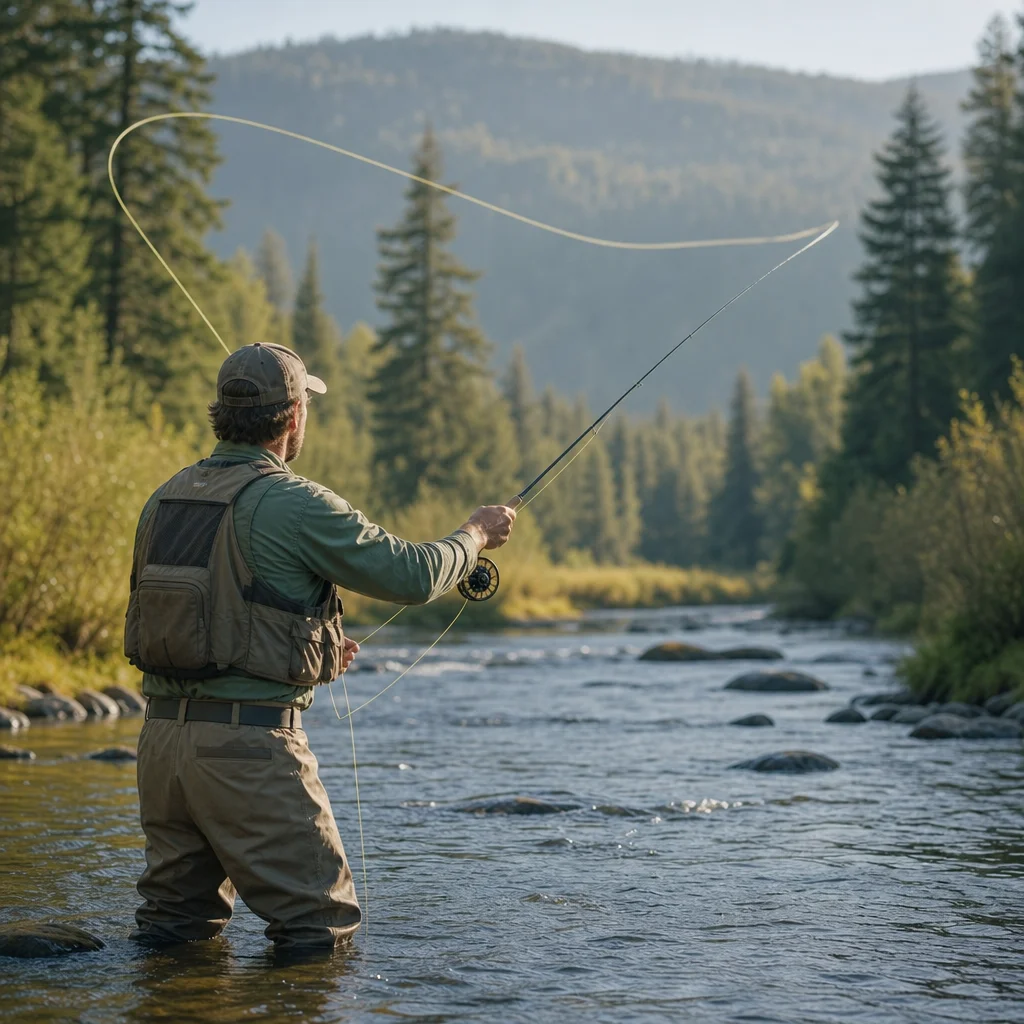
Early-spring runoff can turn a familiar trout stream into a cold, fast, and difficult place to fish within a few hours. Snowmelt may raise flows, cover wading routes, reduce visibility, and make the original plan unsuitable even when the weather looks pleasant.
The safest approach is to plan the outing as a series of decisions rather than a fixed destination. You’ll want to match the river to your skills, confirm current conditions, choose water with manageable consequences, and define the point at which you’ll change plans or go home.
Start with a runoff objective, not a fish-count goal
Runoff is rarely the season for insisting on one particular pool, hatch, or number of trout. A better objective might be to find safe edges, learn how a river changes with rising water, fish a short session without taking risks, or explore a lower-elevation tributary.
That shift matters because spring conditions can make ordinary success measures unreliable. Trout may be concentrated in slower margins rather than feeding where you expect. Water may be cloudy enough to limit fly fishing, and high flows may make wading impossible. A day that produces no fish can still be worthwhile if you identify safe holding water and return with better information.
Set a few flexible goals before leaving:
- Fish water you can reach and leave without crossing dangerous current.
- Spend a defined amount of time observing conditions before committing.
- Practice short, controlled presentations along soft edges.
- Leave with a better understanding of which flows make the river manageable.
These goals give you room to adapt instead of treating a changed river as a failed trip.
Choose water by consequence, not reputation
A famous river isn't automatically a good runoff destination. During snowmelt, the more useful question is: “If conditions worsen, how easily can I get out?”
Look for water with several of these characteristics:
- Bank access that doesn’t require wading.
- Wide, low-gradient sections with visible slow water.
- Stable gravel bars or well-defined trails above the active channel.
- Nearby roads, pullouts, or alternate access points.
- A realistic option to move to a smaller stream or stillwater.
- Clear sightlines, so you can watch the current and other people nearby.
Avoid making a plan that depends on a single crossing. A route that is comfortable at one flow may become hazardous after overnight snowmelt, rain, or an upstream dam release. If reaching the productive bank requires stepping into deep or swift water, choose another location.
Tributaries can be useful alternatives, but they aren’t automatically safer. Small streams may rise quickly, have slippery banks, or run through private land and difficult terrain. Lakes and reservoirs can provide a steadier backup, but access, open seasons, and special regulations still need to be checked.
Check the information that can change the plan
Early-spring planning needs both a forecast and a current conditions check. A pleasant air temperature doesn’t tell you whether the river is safe to approach. Snowmelt, rainfall, upstream reservoir operations, ice breakup, and road conditions can all matter.
Before you leave, review:
- Streamflow: Find the nearest relevant USGS or state-operated gauge. Note the current reading and whether the graph is rising, falling, or relatively stable.
- Recent weather: Look at temperatures in the drainage, overnight lows, rain, and warming trends. A warm afternoon after a cold night may produce a different runoff pattern from a warm day that follows several warm nights.
- Mountain snow and runoff conditions: Snowpack information can provide broad seasonal context, but it doesn’t replace a local flow gauge or an on-site assessment.
- Road and trail access: Check state, federal, county, tribal, and land-management sources as appropriate. Spring closures and muddy roads can change access even when the river itself is reachable.
- Regulations: Confirm the current fishing rules for the exact water you plan to visit, including open dates, tackle restrictions, harvest rules, closures, and special sections.
Don’t focus only on the number displayed by a gauge. A flow value has meaning in relation to that specific river, gauge location, channel shape, and your own ability. Compare it with recent observations, historical levels if available, and reports from reliable local sources. A gauge miles downstream may not represent a narrow tributary or the bank you intend to fish.
Confirm the river before you drive: Check the current gauge trend, road and access status, weather in the drainage, and regulations for the exact reach. If any source is unavailable or conditions are changing quickly, treat that uncertainty as a reason to choose a simpler backup plan.
Use a simple go, modify, or stop decision
A decision framework helps when the forecast is imperfect. Consider three categories:
Go as planned
Proceed when the access is open, the river is within a flow range you understand, and you can fish without entering questionable current. You should be able to identify safe positions from the bank and have a clear route back to the vehicle.
This doesn’t mean the day will be easy. It means the plan still fits the conditions and your experience.
Modify the outing
Change the location, timing, or method when the river is fishable but less suitable than expected. Examples include:
- Fish only from the bank instead of wading.
- Move to slower water, side channels, or a smaller drainage where legally accessible.
- Start later if roads or banks are frozen in the morning, but avoid assuming an afternoon warm-up will improve river safety.
- Shorten the outing and remain near the vehicle.
- Replace a technical river session with observation, casting practice, or a stillwater option.
Modification is often the best outcome. You keep the day useful without pretending that conditions are normal.
Stop or cancel
Cancel when access is closed, the route requires a risky crossing, the water is rising rapidly, visibility is poor, banks are unstable, or you can’t identify a safe way to retreat. Also stop if cold, fatigue, changing weather, or poor communication makes a minor problem harder to manage.
There’s no fishing advantage that compensates for being swept into cold spring water. If you’re debating whether a crossing is acceptable, the crossing is usually the part to remove from the plan—not the caution.
Plan the day around observation and low-risk water
Runoff outings work better when you build in an assessment period. Before rigging, walk the bank where access allows and look at the water from a stable position.
Pay attention to:
- Whether the water is rising, falling, or visibly changing.
- The speed and depth of the nearest current.
- Foam lines, submerged obstacles, and areas where banks are undercut.
- Slush, floating debris, or logs that may indicate changing conditions upstream.
- Slow water near inside bends, banks, backwaters, and the edges of larger current tongues.
- Whether you can reach a better position without crossing the main flow.
Watch for several minutes rather than relying on a quick glance. Runoff can carry debris and change the shape of a soft edge as the day warms. If the river appears to be climbing, give yourself more margin and avoid positioning on low bars or islands.
Your first casts should test the water, not prove your bravery. Begin close to shore, use short line, and cover the softer margins before trying to reach the far bank. If you can’t make a controlled presentation without standing in an exposed place, move or change the objective.
Bring gear that supports a conservative plan
Runoff doesn't require a complicated kit, but it rewards preparation. Consider packing:
- Properly fitted wading equipment, if you’ll use it at all.
- A wading belt and a wading staff where appropriate.
- Layers that remain useful if the day becomes wet, windy, or colder than expected.
- Spare gloves, socks, and a dry insulating layer stored in a waterproof bag.
- A phone or communication device protected from water, plus a power bank for remote days.
- A first-aid kit, headlamp, food, and water.
- Traction appropriate to the access and local rules.
- A net and fish-handling equipment that lets you release trout quickly without carrying them onto unstable banks.
A wading staff can improve balance, but it doesn’t turn dangerous water into safe water. Likewise, felt or studded traction may help on certain surfaces while creating restrictions or environmental concerns in others. Check local rules and understand the limitations of your equipment.
Tell someone where you’re going, when you expect to return, and what your backup destination is. In remote country, include the route and vehicle details. A reliable check-in plan is more useful than assuming your phone will work at the river.
Adjust fly fishing expectations to runoff conditions
High water often rewards presentations that stay near slower margins and deeper seams. You may need to shorten your cast, add weight within the rules, or choose a pattern that remains visible in stained water. The exact fly depends on the river, available food, regulations, and local conditions, so avoid treating one pattern as a universal runoff solution.
The important adjustment is tactical: find trout where they can conserve energy. Fast central current is expensive for a fish, while protected edges, soft seams, and slower pockets can provide shelter and food. Approach these areas from stable ground and make your first casts count.
If visibility is very poor, debris is heavy, or flows are still rising, don’t keep changing flies to solve a safety or water-quality problem. Sometimes the right adaptation is to leave the river and use your backup plan.
Keep fish handling conservative in cold, powerful water
Spring trout are already dealing with cold water and demanding conditions. Keep fish in the water as much as possible, wet your hands before touching them, and avoid extended photographs. Use tackle and landing methods that allow a prompt release, and don’t drag a fish across gravel, snow, or vegetation.
High flows also create extra risk for the angler during landing. Don’t chase a fish into deep or swift water, and don’t kneel at an unstable edge. If a fish can’t be handled safely from your position, breaking off may be the responsible choice.
Recheck conditions at the bank: Before wading, confirm that the water isn't rising, your exit route is clear, and you can return without crossing stronger current. If the river has changed since you arrived, step back and revise the plan rather than trusting your earlier assessment.
Build the backup plan before you need it
A backup plan should be specific enough to use immediately. “We’ll find somewhere else” isn't much help when roads are muddy and daylight is limited.
Choose one or two alternatives in advance, such as:
- A lower-elevation reach with bank access.
- A small, legally accessible tributary.
- A reservoir or pond with suitable access and current rules.
- A shorter walk near the vehicle.
- A nonfishing plan that keeps the group out of rising water.
Give each option a trigger. For example, you might switch locations if the gauge is rising on departure, access is closed, the main channel can't be safely observed from shore, or runoff makes the water too opaque for your intended method.
This approach also helps groups with different experience levels. The strongest wader shouldn’t set the standard for everyone else. Choose a plan that works for the least confident participant, and make it normal for anyone to opt out of a crossing or change of location.
Practical next steps
Before your next early-spring outing:
- Pick a primary reach and a specific backup, rather than naming only a river.
- Record the nearest flow gauge and learn how its trend relates to that reach.
- Check the current forecast, access notices, and regulations on the day of travel.
- Set a clear no-wading or no-go trigger before conditions pressure you into a decision.
- Pack for an unplanned delay, wet clothing, poor reception, and an early return.
- Begin by observing the river from stable ground and fish only water you can leave safely.
Runoff can provide productive fishing, but its best lesson is planning discipline. When you treat flow, access, weather, equipment, and exit options as parts of one decision, you can make the day safer—and recognize quickly when the river is asking you to try again later.