A Pre-Trip Checklist for a Full Day of Trout Fishing
When a trout outing stretches from the first cool light into the afternoon, small oversights can become tiring problems. I’ll show you how to build a reusable checklist for access, weather, clothing, food, navigation, tackle, communication, and sensible backup plans.
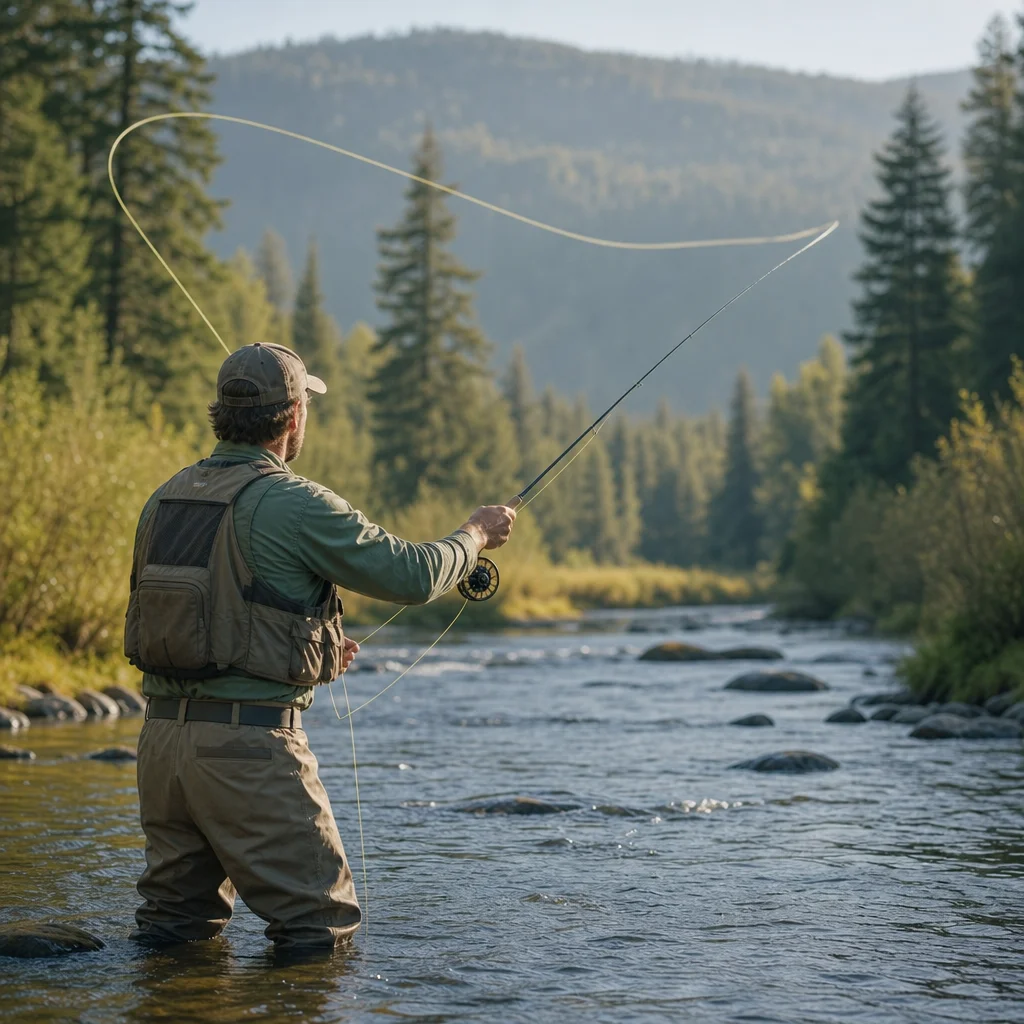
A full day of trout fishing asks more of your preparation than a quick session after work. You’ll need to think beyond rods and flies: access may take longer than expected, weather can change, food and water affect your judgment, and a weak phone signal can turn a minor problem into a serious one.
The goal isn’t to pack everything you own. It’s to make deliberate decisions before leaving so you can spend the day fishing rather than improvising beside the truck—or discovering that the one item you need is sitting on the kitchen counter.
Start with the trip’s actual demands
Before making a gear pile, write down the basic shape of the day:
- Where will you park and begin fishing?
- How far might you walk from the vehicle?
- Will you remain on a maintained trail, or cross uneven ground and water?
- Are you fishing a small stream, a large river, or a lake shoreline?
- What time do you need to leave the water?
- Will you have reliable cell service?
- Are you going alone or with another angler?
A short walk beside a familiar stream calls for a different kit than a remote day involving steep banks, cold water, and several miles of hiking. Let distance, terrain, and isolation determine your preparation. “Full day” should describe the time available, not automatically mean a backpack full of every contingency imaginable.
Confirm access, rules, and conditions
Access is one of the easiest parts of a fishing trip to assume incorrectly. A familiar location may have seasonal closures, changed parking arrangements, private-property boundaries, construction, or a new permit requirement.
Check the current information from the relevant state fish-and-wildlife agency, land manager, park, forest, refuge, or private access provider. Confirm:
- A valid fishing license and any required trout stamp or permit
- Open seasons and species-specific regulations
- Creel, size, bait, tackle, and artificial-fly restrictions
- Closure areas and special regulation waters
- Whether the intended access point is open
- Parking rules, fees, gates, and opening hours
- Fire restrictions or other seasonal land-use rules
- Any local restrictions affecting wading, camping, or flotation equipment
Save the exact access point and a backup location. A legal parking area can still be full, gated, flooded, or difficult to find before sunrise.
Check today’s access and regulations: Verify the current license, water-specific rules, closures, parking conditions, and land-manager notices shortly before you leave. Regulations and access details vary by location and can change during the season.
Read the weather as a day-long forecast
Don’t check only the temperature at the time you expect to arrive. Look at the forecast for the entire period you’ll be outside, including overnight lows, wind, precipitation, thunderstorms, and the chance of rapidly rising water.
For a full day, pay particular attention to:
- Cold morning temperatures followed by a warm afternoon
- Strong wind that will affect casting and comfort
- Rain that may make banks slippery or raise the stream
- Thunderstorms, especially when fishing exposed water
- Heat, sun exposure, and the need for shade
- Fog or low visibility during the drive and early approach
Mountain and canyon weather can differ from the nearest town’s forecast. If the river drains a large or steep watershed, rain upstream may affect water levels even when your immediate area is dry.
Build a decision point into the plan. For example, you might decide to leave the water if thunderstorms approach, water rises quickly, visibility deteriorates, or the temperature makes a return walk unsafe. A full day is successful only if you can end it safely.
Choose clothing for the coldest and wettest part
Layering is more useful than wearing one heavy item. A practical system may include:
- A moisture-managing base layer
- An insulating midlayer for cool mornings
- A wind- or rain-resistant outer layer
- Wading clothing appropriate to the water temperature and terrain
- A hat for both warmth and sun protection
- Spare socks sealed in a waterproof bag
- Gloves thin enough to handle line and flies when conditions allow
- Sturdy footwear with traction suited to the bank and streambed
Avoid cotton as your main insulating layer when you may get wet or chilled. If you’re wearing waders, inspect them for leaks, check that boots and gravel guards are secure, and make sure the belt is correctly fitted before entering the water.
Pack a dry change of clothes in the vehicle or in a sealed bag. Keep an emergency warm layer separate from the clothing you expect to wear; otherwise, it’s easy to use the backup early and then have nothing dry for the walk out.
Pack food and water before tackle takes over
Hunger and dehydration make poor decisions more likely. Pack enough water for the planned time, walking distance, temperature, and access to refill points. Don’t assume a clear mountain stream is automatically safe to drink.
Bring food that is easy to eat with cold hands or limited time:
- Sandwiches or wraps
- Trail mix, fruit, or energy bars
- Something salty in warm weather
- A small treat for the inevitable afternoon slump
- A compact waste bag for wrappers and food scraps
If you may refill from a natural source, carry an appropriate treatment method and know how to use it. Check current local guidance when water quality, wildfire smoke, flooding, or other environmental concerns could affect the area.
A reusable bottle is easier to monitor than several small containers. Marking your water supply mentally—or with a simple note—can help you notice when you’re drinking less than planned.
Build navigation around a return route
A phone map is useful, but it shouldn’t be your only navigation plan for a remote full-day trip. Download maps for offline use before leaving service. Save the parking area, access trail, planned fishing section, and a few obvious landmarks.
Carry at least one backup navigation method appropriate to the trip, such as:
- A paper map in a waterproof case
- A compass you know how to use
- A GPS device with charged batteries
- A written description of the route and exit points
Estimate the return time before you start. It’s easy to keep moving upstream because the next bend looks promising, then discover that the walk back will happen in fading light. Set a turnaround time based on distance, terrain, daylight, and your group’s pace—not on how many fish you hope to catch.
Organize tackle around likely conditions
Start with the rod, reel, line, and leader setup suited to the water and the techniques allowed there. Then add a small selection rather than every fly box you own.
A full-day trout kit commonly includes:
- Spare leaders and tippet in the sizes you expect to use
- A few proven patterns in different sizes
- Nippers or line clippers
- Forceps or hemostats
- Strike indicators or split shot when permitted and useful
- Floatant or other fly-treatment supplies appropriate to your setup
- A small fly box that closes securely
- Spare rod sections or a repair item if you have one
- A net with fish-friendly mesh, if you plan to land fish
- A measuring tool only if needed for legal or personal records
Check the reel drag, knots, leader connection, and line for damage before you leave. Replace a frayed section at home rather than waiting until it fails beside the deepest pool of the day.
Keep a repair kit modest: a few spare tools, backup tippet, a small amount of tape, and a way to address a broken rod section can be more useful than a second full tackle system. If a second rod is practical, protect it during transport and decide whether its purpose is a different technique or simply a backup.
Prepare for safe fish handling
If you intend to release trout, make the process quick and controlled. Carry a net suited to the fish and water, wet your hands before touching a trout, and keep the fish in or close to the water. Avoid squeezing it, touching its gills, or holding it out of the water for a long photograph.
Before fishing, know how you’ll respond if a hook is deeply lodged, a fish is exhausted, or the current makes landing difficult. The best release is often the one that avoids unnecessary handling altogether.
If you plan to keep legal fish, bring the appropriate storage method and follow local rules for species, size, number, and possession. Don’t rely on memory from another water; regulations can differ between nearby streams.
Pack communication and emergency information
Charge your phone and keep it in a waterproof pouch. Store emergency contacts, the access-point name, vehicle details, and the planned return time somewhere your fishing partner can reach them.
For more isolated terrain, consider whether a satellite messenger, personal locator beacon, or other emergency communication device is justified. These devices require preparation: charge them, understand their coverage and limitations, and tell someone how you intend to use one.
Leave a trip plan with a reliable person. Include:
- The water and access point
- Your route or intended fishing section
- Names of everyone in the group
- Vehicle description and license plate
- Expected return time
- When they should contact emergency services if you don’t check in
A trip plan is especially valuable when you’re fishing alone. It doesn’t replace good judgment, but it gives others a starting point if the day stops going according to plan.
Make a backup plan before you need it
Your backup plan should answer practical questions, not merely say “go somewhere else.” Identify another legal access point, a shorter route, or a nearby water that remains suitable if the original plan fails.
Change plans when:
- The access road or parking area is closed
- Water is rising, muddying quickly, or moving beyond your comfort level
- Lightning or severe weather is approaching
- The trail is blocked or more difficult than expected
- Someone in the group is cold, injured, exhausted, or unwell
- You’re behind schedule and the return route will take place in darkness
Keep a dry layer, basic first-aid supplies, a light source, and enough food and water for an unplanned delay. A headlamp is useful even when you expect to finish in daylight; low light has a way of arriving ahead of schedule when a knot, injury, or wrong turn enters the afternoon.
Use a final departure checklist
Run through this list at the vehicle or front door:
Information and access
- [ ] License and required permits
- [ ] Current regulations checked
- [ ] Access, parking, and closure information checked
- [ ] Weather and water conditions checked
- [ ] Primary and backup locations selected
- [ ] Map downloaded or printed
Clothing and personal needs
- [ ] Layers matched to the forecast
- [ ] Rain and wind protection packed
- [ ] Spare socks and dry clothing packed
- [ ] Water packed or treatment method prepared
- [ ] Food and snacks packed
- [ ] Sun protection and insect protection considered
- [ ] First-aid supplies packed
Fishing equipment
- [ ] Rod, reel, line, and net packed
- [ ] Leaders, tippet, flies, and permitted accessories packed
- [ ] Nippers and forceps packed
- [ ] Waders and footwear inspected
- [ ] Knots and tackle checked
- [ ] Fish-handling plan considered
Navigation and communication
- [ ] Phone charged and protected
- [ ] Emergency contacts available
- [ ] Trip plan shared
- [ ] Map, compass, or GPS backup packed
- [ ] Headlamp or flashlight packed
- [ ] Vehicle keys secured in a known, waterproof place
Keep the plan flexible
A checklist should support good decisions, not pressure you into completing a predetermined fishing day. If the forecast changes, access is uncertain, or the group is tired, shorten the route or choose the safer backup. You can always return to the water another day; trout are rarely impressed by stubbornness.
Before leaving, confirm the essentials: legal access, suitable conditions, enough water and food, a reliable route home, and a way to get help. Then keep the checklist simple enough to reuse. After the trip, note what you used, what you carried unnecessarily, and what you wished you had. That short review will make the next full day more efficient without turning preparation into its own expedition.