What to Pack for an Early-Spring Trout Trip When Weather Can Turn Quickly
A light pack keeps you mobile, but early-spring trout water can punish underprepared anglers. I’ll show you how to choose layers, shelter, spare clothing, food, and access contingencies for a safer, more adaptable day in the Northeast.
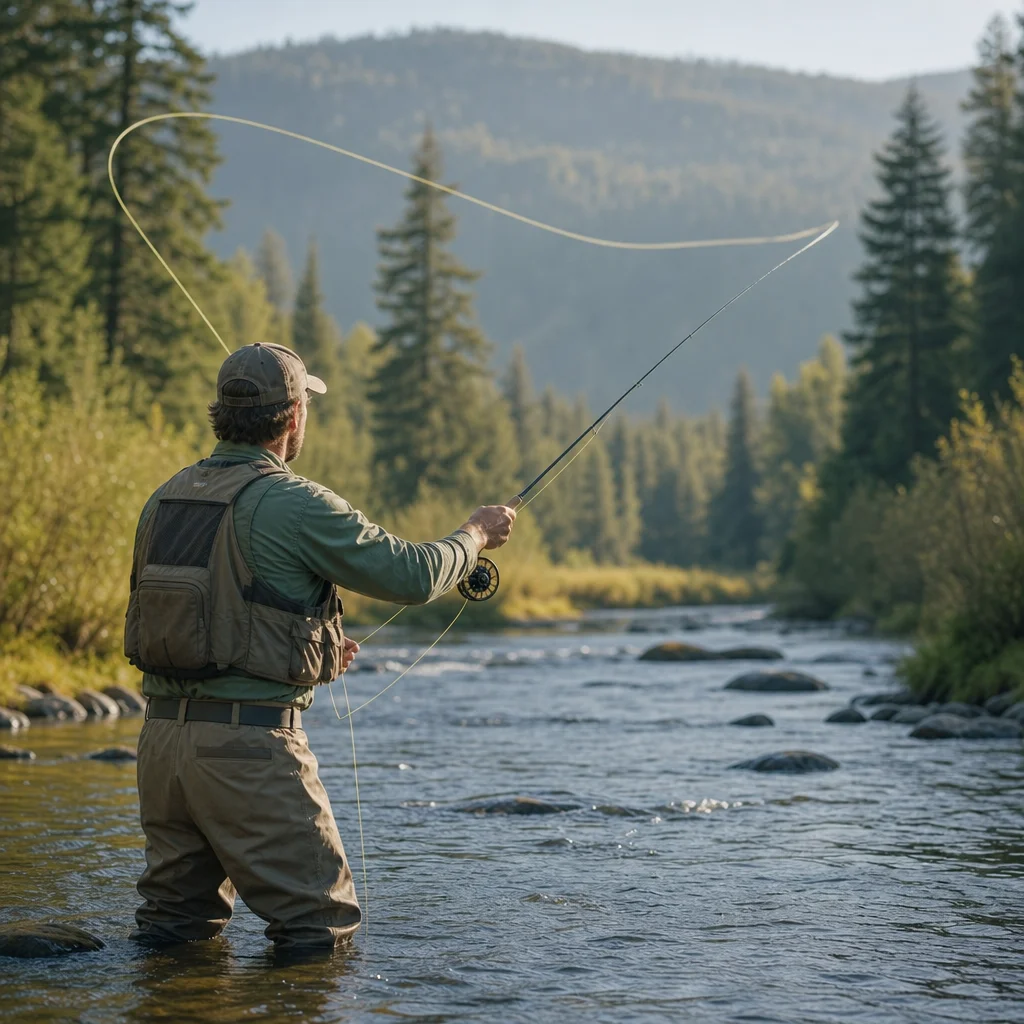
Early spring rewards anglers who plan for several kinds of weather at once. A sunny forecast can give way to cold rain, gusty wind, muddy roads, or rising water before you’ve finished the first stretch of river. The goal isn’t to carry everything—it’s to pack for the problems that are difficult to solve once you’re miles from the car.
Start with the conditions you can’t negotiate
Before choosing flies or deciding how many rods to bring, consider the least comfortable part of the day. In the Northeast, early spring often means cold air, wet ground, high flows, and water temperatures that make an accidental fall more serious than it would be in summer.
Build your packing list around four questions:
- How will you stay warm if your outer layer becomes wet?
- What will you do if the river is too high or unsafe to wade?
- Can you walk out comfortably if a boot, strap, or rod fails?
- Do you have enough food, water, and communication for a delayed return?
Those questions lead to a more useful kit than simply adding gear until the bag is full.
Check the river before you leave: Confirm the current forecast, flow and water-level information, road or gate conditions, and fishing regulations for the specific water you plan to visit. Early-season access, open seasons, stocked-water rules, and closures can vary by state and even by individual stream.
Dress in layers that still work when wet
Your clothing system should let you add warmth while standing still, remove heat while walking, and stay functional during rain. Avoid relying on one thick garment to do every job.
Base layer: manage moisture
Pack a synthetic or wool base layer for your upper body, and consider matching long underwear for your legs if temperatures will remain low. These materials continue to provide some insulation when damp and dry more reliably than cotton.
Cotton sweatshirts, denim, and cotton socks are poor choices for a wet, cold day. They absorb water, dry slowly, and can leave you chilled during a long walk back to the vehicle.
Midlayer: add adjustable insulation
A fleece, light synthetic jacket, or wool sweater provides warmth without making casting unnecessarily bulky. A vest can be useful when you want insulation around your core while keeping your arms relatively free, but it shouldn’t replace a warmer layer if you expect to stand around in wind or rain.
Pack more insulation than you expect to wear while hiking. You may feel comfortable walking upstream and become cold once you stop to fish, eat, or deal with a tangled leader.
Outer layer: block rain and wind
A waterproof shell is more useful than a water-resistant casual jacket. Look for a hood that works with your hat, cuffs that can close over or under gloves, and enough room to fit over your insulation without restricting your casting stroke.
Wading jackets and rain jackets serve overlapping purposes, but they aren’t automatically interchangeable. A fishing-specific jacket may offer better pocket placement and movement, while a hiking shell may be lighter. Whichever you choose, test it with your pack, rod, and layers before the trip.
Hands, head, and feet
Pack two pairs of gloves rather than one supposedly perfect pair. Thin liner gloves preserve some dexterity for knots, while a warmer or more weather-resistant pair helps when the wind rises. Spare gloves are especially valuable because the first pair can become wet while handling fish, walking through brush, or adjusting gear.
Bring a warm hat and a brimmed cap. The warm hat helps during cold periods; the brimmed cap keeps rain and glare out of your eyes and can make spotting soft takes easier.
Wear wool or synthetic socks and pack at least one dry replacement pair in a sealed bag. Keep them protected even if the rest of your pack gets wet. Your feet don’t need to be comfortable for the fishing to be worthwhile, but they do need to remain warm, intact, and capable of getting you out.
Treat rain protection as a system
A rain jacket alone doesn’t keep you dry for long. Water can enter through the hood, run down your back, soak your waist pack, or collect inside waders during a prolonged storm.
Pack rain protection for both you and your equipment:
- Waterproof shell or rain jacket
- Rain pants if you’ll hike, sit, or fish in sustained precipitation
- Pack liner or heavy-duty waterproof bags
- Small dry bags for phone, wallet, matches, and spare layers
- Quick-drying towel or absorbent cloth
- Extra hat and gloves if rain is likely
A pack cover can help with light rain, but it may leave the back panel and shoulder straps exposed. A pack liner is usually a better second layer because it protects the contents even when water enters from an unexpected direction.
Keep your emergency insulation in its own sealed bag. Don’t use that bag for lunch, flies, or anything else you’ll open repeatedly.
Pack for cold water, not just cold air
Early-spring streams can be dangerously cold even when the afternoon feels mild. Waders can improve comfort, but they don’t make deep or fast water safe to cross. Your packing choices should reduce the chance that you’ll need to wade at all.
Bring a wading staff if you use one, and make sure its attachment system is reliable before the trip. Wear a wading belt as directed by the manufacturer, and keep it properly adjusted. Felt, rubber, or studded soles may be regulated or restricted in some waters, so check local rules rather than assuming your usual footwear is allowed.
Carry a compact emergency blanket or bivy-style heat-reflective shelter, especially if you’ll fish alone, travel far from the vehicle, or explore unfamiliar access. It weighs little and can provide a temporary windbreak while you arrange help.
A whistle is useful if terrain, wind, or river noise makes calling difficult. Keep it accessible, not buried at the bottom of your pack. A charged phone in a waterproof case is helpful, but don’t treat cell coverage as guaranteed in wooded valleys.
Include a small repair and recovery kit
Early-season vegetation, wet gravel, and rough access can be harder on equipment than a quiet summer meadow. A few lightweight spares can prevent a minor problem from ending the day.
Pack:
- Spare leader material and tippet in the sizes you’re likely to use
- Forceps or hemostats with a cutter
- A few extra flies in a waterproof box
- Spare rod sections if you have them, or a backup rod if the trip justifies the weight
- Small roll of repair tape
- Several zip ties or thin cord
- Safety pins
- Line cleaner or a small cloth
- Headlamp, even for a daytime outing
A headlamp matters when a slow walk, tangled line, or vehicle problem pushes your return toward dusk. Check its batteries before leaving, and keep it where you can reach it without unpacking everything.
If you’re using an older reel, check the drag and handle before the trip. Salt, grit, and winter storage can create problems that only appear when a fish runs or when you need to retrieve line quickly.
Pack food and water for a longer day than planned
Cold weather can increase appetite, and walking in waders or heavy clothing takes more energy than the distance suggests. Bring food you can eat with cold fingers and without a long break.
Useful choices include sandwiches, trail mix, energy bars, dried fruit, jerky, and other compact foods that won’t freeze or crumble into your fly box. A thermos of a warm drink can be more valuable than another snack during a cold, wet afternoon.
Carry enough drinking water for the planned outing, plus some margin for delays. Don’t assume clear-looking stream water is safe to drink without appropriate treatment. If you use a filter, remember that cold conditions and sediment can affect how easily it operates; pack the treatment method you know how to use.
Keep food separate from spare clothing and electronics. A leak-proof bottle or flexible water container is preferable to a disposable bottle that can split when squeezed into a full pack.
Plan for changing access conditions
Early spring can turn a straightforward drive into a trip that requires a longer walk. Mud, snowmelt, washouts, fallen branches, soft shoulders, and seasonal gates can all change access. A vehicle that reaches a trailhead in dry weather may not be suitable after rain.
Bring footwear appropriate for the approach, not just the river. If you’ll leave the car on an unpaved road, consider a shovel, traction aid, or recovery strap when conditions make getting stuck plausible. Don’t drive around a gate or onto a soft shoulder simply to shorten the walk.
Save an offline map of the area and mark the vehicle location before you lose service. Note alternate pull-offs or legal access points, but don’t assume a nearby parcel is open to fishing. Private land, posted boundaries, and easements require careful attention.
Tell someone where you’re going, when you expect to return, and what you’ll do if the primary access is unusable. A simple change-of-plan message is better than leaving a vague route and hoping the weather cooperates.
A practical early-spring packing list
For a typical day, start with this core load and adjust it to the forecast and distance:
- Rod, reel, line, leaders, tippet, and a limited fly selection
- Waders, belt, boots, and wading staff when appropriate
- Base layer, insulating midlayer, waterproof shell, and optional rain pants
- Warm hat, brimmed cap, two pairs of gloves, and spare socks
- Waterproof pack liner and sealed dry bags
- Food, water, and a warm drink
- Phone, offline map, small power bank, and emergency contact details
- Headlamp, whistle, first-aid supplies, and emergency blanket
- Repair items, forceps, nippers, and replacement terminal tackle
- Hand towel and plastic bag for wet clothing or trash
You don’t need every item on every outing. A short roadside session in stable weather calls for less than a remote hike into a changing mountain forecast. The important distinction is whether you can solve the likely problems without becoming cold, lost, injured, or committed to unsafe water.
Make the final decision at the river
A packed bag doesn’t obligate you to fish the original plan. When you arrive, look at the water, banks, crossing points, wind, and access route. If the river is higher, faster, or more discolored than expected, switch to safer water, fish from shore, or leave the wading for another day.
Before stepping in, check that you can return by the same route. Avoid crossing simply because the best-looking lie is on the opposite bank. Early spring offers enough uncertainty without adding a preventable cold-water problem.
Pack layers in a waterproof liner, keep emergency items accessible, and leave room for one more dry layer than you think you’ll need. That modest preparation gives you more options when the weather changes—and makes it easier to spend the day solving trout problems instead of clothing problems.