How to Plan a Trout Trip Around Thunderstorms
A clear forecast can still hide a poor fishing window, while a flexible plan can save a long drive and a dangerous retreat. I’ll show you how to monitor storms, set exit points, and make a sensible go-or-no-go decision before reaching the water.
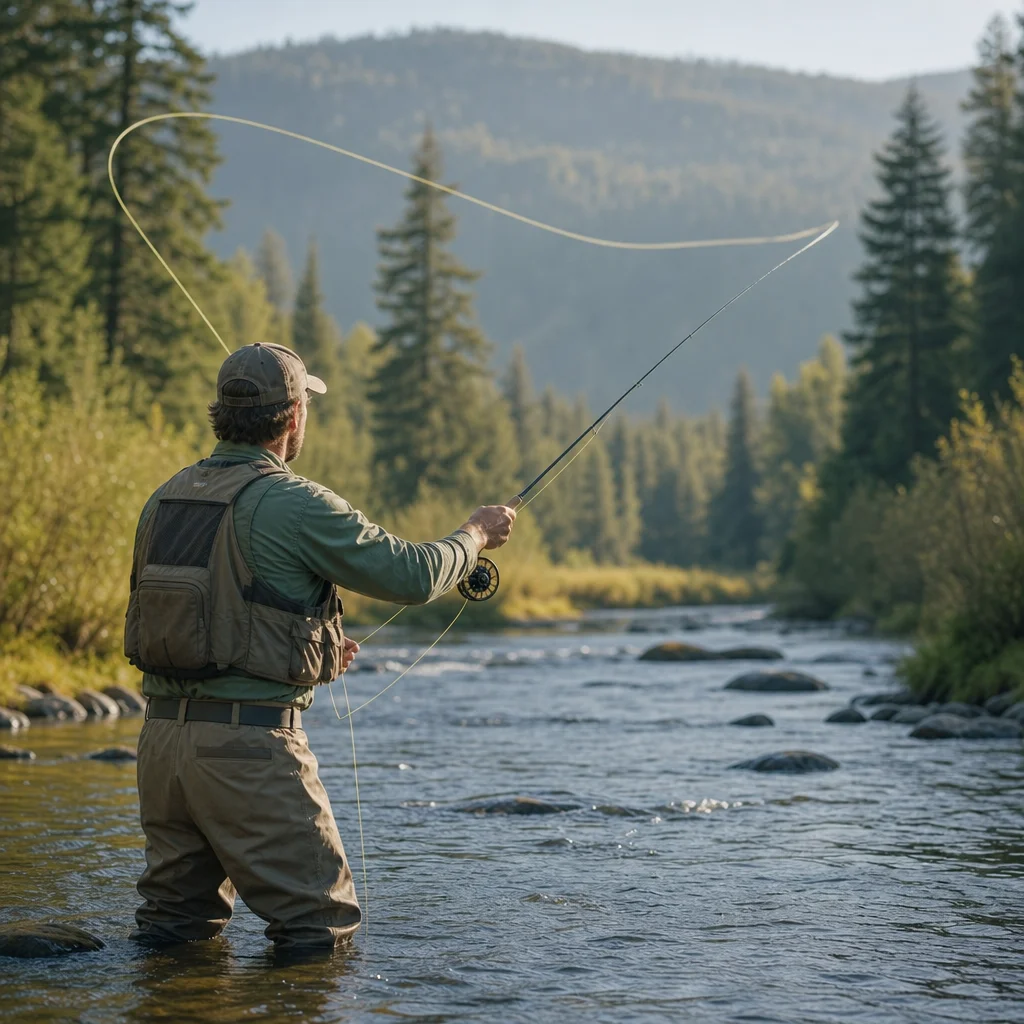
Thunderstorms can turn a promising trout trip into an expensive lesson in poor timing. The goal isn’t to predict every storm perfectly; it’s to build a plan that lets you fish during the safer window, change locations quickly, or stay home without wasting a day and a tank of fuel.
Start with the whole trip, not just the hourly forecast
A thunderstorm plan begins before you check the chance of rain. Look at the complete outing:
- How far you’ll drive
- How long it takes to reach the stream from the parking area
- Whether you’ll be wading, hiking, or fishing from an open bank
- How quickly you can return to your vehicle or another substantial shelter
- Whether the route includes isolated roads, steep trails, or areas with poor phone service
- How much flexibility you have to shorten or reschedule the trip
A forecast that looks manageable for a nearby town may not describe conditions in a mountain valley, canyon, prairie stream, or large reservoir. Storms can develop unevenly, and terrain can affect both timing and visibility.
For a low-cost, lower-risk outing, choose water with several easy exit options. A short, familiar section close to parking may be a better choice than a remote destination when storms are possible. You may give up solitude, but you gain time to respond when the weather changes.
Monitor several forecast signals
No single forecast detail answers the go-or-no-go question. Check several signals and look for agreement.
Check the forecast timeline
Review the forecast at least the day before the trip, then check it again before leaving. Pay attention to:
- The expected arrival and departure times of storms
- The percentage or likelihood of precipitation
- The chance of thunderstorms, not just ordinary rain
- Wind speed and gusts
- Temperature changes and rapidly building cloud cover
- Any watches, warnings, advisories, or special weather statements
A low chance of rain doesn’t necessarily mean low lightning risk. Likewise, a high chance of rain may produce a brief shower rather than a dangerous storm. The type, timing, and movement of the storms matter more than one isolated percentage.
Use a reputable national weather service, local forecast office, radar, and alerts from your phone or weather radio where available. In North America, forecast systems and emergency terminology vary by country and region, so use the service appropriate to the area you’ll be fishing.
Look at radar and storm movement
Radar can help you judge whether storms are approaching, forming nearby, or moving away. Before you rely on it, identify your fishing area on the map and note the direction the weather is traveling.
A storm that appears several miles away may still be a problem if it’s moving toward you quickly. A clear patch can also be temporary. Keep checking rather than treating one favorable radar image as a guarantee.
If your route takes you into a valley or behind a ridge, assume you may lose visibility or phone service. Plan your retreat based on what you can see and reach on foot, not on what you hope the radar will show later.
Check the local storm guidance: Before you leave, review the current forecast, alerts, and lightning-safety recommendations for the specific area. Confirm how watches and warnings are issued locally, and don’t rely on a general app forecast as your only source.
Set a go-or-no-go rule before you get invested
It’s easier to make a sensible decision at the kitchen table than after a long drive and a difficult hike. Decide in advance what conditions will make you cancel, delay, relocate, or leave.
A reasonable no-go decision may include:
- A severe thunderstorm watch or warning affecting the fishing area during your planned session
- Lightning expected before you can safely return to your vehicle
- A forecast showing storms arriving before the time you can reach shelter
- Flash-flood concerns on a stream, especially in a narrow valley or below recent heavy rain
- Strong winds that make casting, wading, driving, or hiking unsafe
- A route with no practical shelter or retreat point
- A partner who isn’t comfortable with the conditions
You don’t need to create a perfect numerical formula. You do need a rule that prevents sunk-cost thinking. The money already spent on fuel, lodging, or permits shouldn’t pressure you into staying on the water when conditions have changed.
For a trip with uncertain weather, choose a flexible plan: fish early, stay close to the vehicle, and keep a nearby indoor or low-exposure alternative available. A shorter outing can still be worthwhile if it avoids turning a recreational day into a rescue problem.
Identify retreat points before rigging a rod
When you arrive, don’t immediately walk to the most attractive pool. First, identify where you’ll go if thunder develops.
Useful retreat points can include:
- A fully enclosed building
- Your vehicle, if it’s nearby and reachable without crossing exposed ground for a long period
- A designated shelter appropriate for severe weather
- A trailhead or access road that provides a clear, quick route out
A picnic shelter, open-sided pavilion, tent, fishing shelter, or lone vehicle with a soft top isn’t equivalent to a substantial enclosed shelter. If your only realistic option is an open area or a distant building, shorten the fishing section and leave earlier.
Walk the route mentally. Ask how long it takes to reach safety from the farthest point you plan to fish. Include the time needed to reel in, gather gear, cross slippery ground, and help a slower member of the group. If the retreat is difficult in dry weather, it becomes a poor emergency plan during rain, wind, darkness, or rising water.
Tell everyone in the group what signal will trigger the retreat. This prevents an argument beside the stream when one person wants to keep fishing and another has already noticed the storm building.
Use thunder and lightning as immediate stop signals
If you can hear thunder, lightning is close enough to treat the situation seriously. Stop fishing and begin moving toward appropriate shelter. Don’t wait for rain to start, for a strike to appear nearby, or for the storm to reach the forecast arrival time.
Fly rods, metal tools, and wading equipment don’t attract lightning in a simple cause-and-effect sense, but holding a long rod in an exposed area during a thunderstorm is an unnecessary risk. Put the rod down or secure it as you leave. Avoid open banks, ridgelines, isolated trees, fences, and other exposed locations.
If you’re wading, exit calmly but promptly. Fast water, slick rocks, and poor visibility create additional hazards, so don’t sprint blindly through the stream. Use the route you identified before fishing, and assist anyone who needs extra time.
Once you reach shelter, follow local emergency guidance about when it’s safe to return. A brief lull may be only a gap between storm cells. If the storm is persistent, the forecast is worsening, or the route out is becoming hazardous, end the trip rather than trying to salvage a few more casts.
Account for risks beyond lightning
Thunderstorms can make trout water dangerous even when lightning isn't overhead.
Rising water and flash flooding
Heavy rain upstream can raise a stream before rain reaches your position. Water may become discolored, faster, and deeper around bends or crossings. Never assume a familiar ford remains safe after a storm. If the water rises, leave the channel and move to higher ground.
A clear sky at your location doesn’t rule out flooding. Check the watershed, not just the immediate weather above your boots.
Wind and falling branches
Gusts can make casting difficult and can bring down branches in wooded areas. Move away from dead limbs and avoid fishing beneath trees during strong wind. If you’re driving, be cautious on exposed roads and don’t rush to beat the storm.
Hail, heavy rain, and reduced visibility
Hail can injure you and damage rods, vehicles, and electronics. Heavy rain can obscure trails and make rock crossings slick. If the weather begins to degrade faster than you can comfortably manage, treat that change as your decision point rather than waiting for an official warning.
Make the plan efficient and easy to change
Cost and resource efficiency don’t mean forcing a trip to happen. They mean using the information you have to avoid unnecessary exposure and wasted effort.
Consider these adjustments:
- Choose a shorter drive when the forecast is uncertain. A nearby stream gives you more options to turn around or reschedule.
- Fish the safer part of the day. If storms are more likely later, begin early and set a firm departure time.
- Pack for a fast exit. Keep rain gear, keys, phone, and essential tackle accessible instead of buried in the vehicle.
- Leave nonessential gear behind. A lighter load makes it easier to move quickly and reduces the cost of damaged equipment.
- Have a backup location. Pick a second stream only if its forecast and retreat options are genuinely better, not merely different.
- Share the plan. Tell someone where you’re going, when you expect to return, and what you’ll do if weather forces a change.
If lodging or travel is involved, check cancellation and change policies before booking. A slightly more flexible option may cost more upfront but save money when unsafe weather makes the original plan impractical.
A simple decision checklist
Before leaving, ask:
- What time are storms expected, and how confident is that timing?
- Is lightning possible during the period I’ll be exposed?
- Where is the nearest appropriate shelter from every section I plan to fish?
- Can I reach it before conditions become dangerous?
- Could rain upstream create rising water or a flash-flood problem?
- What is my exact trigger for delaying, relocating, or ending the trip?
- Does everyone in the group understand that trigger?
If several answers are uncertain, choose the conservative option: delay, fish a more accessible location, or stay home. Trout will still be there, while a flexible plan protects your time, equipment, travel budget, and—most importantly—your ability to get back safely.
Practical next steps
The day before your trip, mark your fishing area, parking location, retreat points, and backup destination. On the morning of the outing, check current alerts and radar, set a departure deadline, and tell someone your route. Once you’re on the water, keep watching the sky and listening for thunder.
A successful thunderstorm plan isn’t the one that squeezes in the most casts. It’s the one that gives you clear choices before the weather removes them.