What Belongs in a Trout Angler’s Vehicle Emergency Kit
I’ll help you build a compact vehicle emergency kit for trout trips, prioritizing the items that matter when a remote road, sudden weather change, minor gear failure, or delayed return turns a routine fishing day into a longer stay.
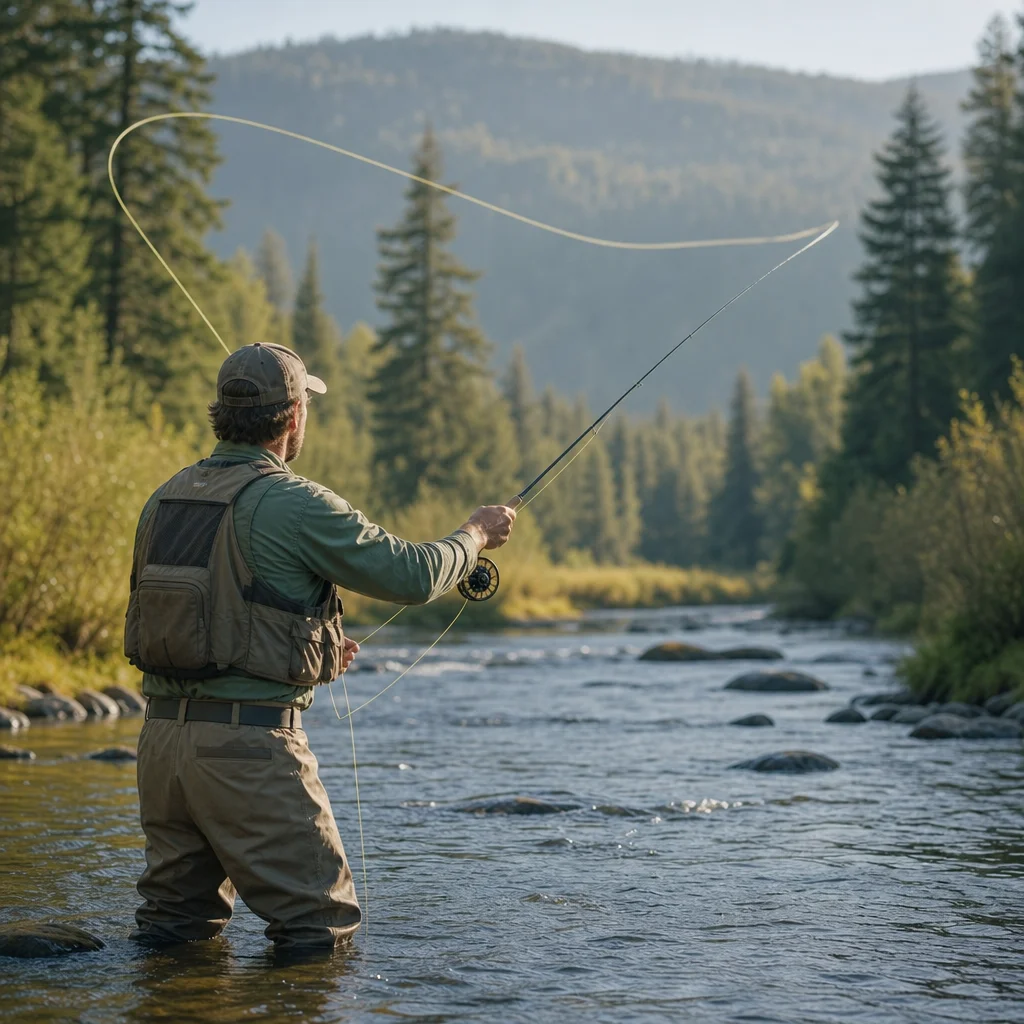
A good trout-fishing vehicle kit does more than get you back on the road after a flat tire. It gives you options when a forest road is rougher than expected, rain arrives early, a boot leaks, or a fishing day runs several hours late.
The goal isn’t to turn your vehicle into a mobile outfitter. It’s to cover the problems that are inconvenient close to town and serious when you’re many miles from help. Build the kit around four needs: staying safe, communicating, making minor repairs, and remaining reasonably warm, dry, hydrated, and visible.
Start with the vehicle, not the fishing gear
Before adding equipment, confirm what your vehicle already carries. Check the owner’s manual and locate the spare tire, jack, jack handle, tow point, hazard-light controls, and emergency tools. A tire inflator is useful, but it doesn’t replace a spare tire or a way to change one.
Your vehicle’s design affects the right kit. A small car traveling maintained gravel roads has different needs from a high-clearance vehicle using muddy two-track routes. Consider:
- How far you’ll be from pavement, fuel, and reliable phone service
- Whether you’ll travel alone or with passengers
- The season and likely overnight temperatures
- The condition of the road, including mud, snow, washouts, and loose rock
- Whether you can safely turn around if conditions deteriorate
- The age, condition, and type of your tires
A vehicle emergency kit can reduce the consequences of a problem, but it can’t make an unsuitable road safe. If a route requires equipment or driving skill you don’t have, choose a more accessible water.
The core roadside kit
Keep the following items together in a marked container or durable bag. Store heavy tools low and secure them so they don’t become projectiles during hard braking.
Tire and recovery equipment
Carry a properly inflated full-size spare when your vehicle supports one. If it has a temporary spare, know its distance and speed limitations before you need it. Add:
- Vehicle-rated jack and lug wrench
- Tire pressure gauge
- Portable tire inflator
- Tire plug kit, if you know how to use it and your tire type permits a temporary repair
- Work gloves
- Headlamp or flashlight with spare batteries
- Small kneeling pad or piece of heavy plastic for wet or muddy ground
- Reflective vest or other high-visibility layer
- Warning triangles or LED warning lights, where legal and appropriate
A tire plug kit isn't a permanent substitute for proper tire repair. Likewise, an inflator can restore pressure after a small leak but won’t solve a sidewall failure or a damaged wheel.
Basic tools and recovery items
For minor failures, a modest tool roll is usually enough:
- Pliers and adjustable wrench
- Screwdrivers and a small bit set suited to your vehicle
- Duct tape and electrical tape
- Zip ties in several lengths
- A utility knife
- Spare fuses matching your vehicle’s specified sizes
- Work gloves and protective eyewear
- A compact traction aid, such as traction boards or approved tire chains when conditions call for them
- A tow strap rated for the task, with recovery points identified in advance
Don't use a tow strap on an unknown attachment point or improvise with a trailer ball. Recovery mistakes can cause severe injuries and vehicle damage. If you don’t understand the recovery points or the terrain, wait for qualified assistance rather than turning a stuck vehicle into a more dangerous situation.
Power and communication
A charged phone is helpful only while its battery and signal last. Carry a vehicle charger, a power bank, and the cables your devices use. A jump starter with a tested charge can help with a weak battery, but read its instructions and confirm that it’s suitable for your vehicle.
A paper map of the area remains useful when your phone has no service or its mapping app can’t load. Mark the access road, nearest town, trailhead, and likely alternate route before you leave. A whistle can attract attention with less effort than shouting, and a basic two-way communication device may be worthwhile for trips beyond reliable cellular coverage.
If you use a satellite messenger or satellite phone, test it before the trip. Learn how to send a check-in, share your location, and trigger an emergency response. Don’t assume that every device works equally well in steep canyons or beneath dense forest.
Check the route and the forecast: Before leaving, confirm current road status, weather, closures, fire restrictions, and any local emergency-access information through the relevant land manager, transportation agency, or official weather service. Tell someone where you’re going, which route you expect to use, and when they should expect you back.
Warmth, shelter, water, and food
A vehicle can become an uncomfortable or unsafe place quickly when temperatures drop, rain soaks your clothing, or a disabled vehicle keeps you waiting. Pack enough protection for the people in the vehicle, not just for the time you expect to spend fishing.
Useful items include:
- Extra insulating layers and a waterproof shell
- Wool or synthetic hat and gloves
- Emergency blankets or sleeping bags appropriate to the season
- A tarp or compact shelter
- Spare socks and sturdy footwear
- Drinking water in containers that won’t freeze or leak easily
- Shelf-stable food requiring little or no preparation
- Basic hygiene supplies, including toilet paper and hand sanitizer
- A small bucket, heavy bags, or other sanitation supplies for situations without facilities
Avoid relying on a camp stove inside a vehicle. Fuel-burning equipment can produce dangerous carbon monoxide, even when a window or door is partly open. If you carry a stove, fuel, or matches, store them according to the manufacturer’s instructions and use them only in a safe, well-ventilated outdoor setting where local rules allow.
Water and food should be replaced periodically. Check containers for leaks, inspect expiration dates, and make sure cold-weather storage hasn’t damaged anything.
First aid and personal safety
Carry a first-aid kit suited to the group and the type of access you’ll have. At minimum, it should cover cleaning and protecting minor wounds, blisters, burns, sprains, and bleeding. Include any personal medication, allergy treatment, prescription supplies, and backup glasses that members of your group may need.
A compact kit might contain:
- Adhesive bandages and blister treatment
- Gauze, medical tape, and a compression bandage
- Antiseptic wipes and disposable gloves
- Tweezers, scissors, and an elastic bandage
- Pain reliever and any personal medication
- Instant cold pack
- Emergency blanket
- CPR barrier if someone in the group is trained and chooses to carry one
First-aid supplies don’t replace training. If an injury may involve serious bleeding, a head or spinal injury, hypothermia, a broken bone, or an inability to walk, focus on keeping the person safe, communicating your location, and following instructions from emergency professionals.
Add sun protection, insect repellent, and any region-specific protection appropriate to the season. Store bear spray or other defensive equipment only if it’s lawful where you’re traveling and you know how to carry and use it safely. Don’t leave such items loose in a hot vehicle.
Items that protect the fishing day
Some problems won’t strand you, but they can end the day or tempt you into unsafe improvisation. Keep a small fishing repair pouch separate from the roadside equipment:
- Spare leaders and tippet
- A few replacement flies in proven sizes and patterns
- Nippers or forceps
- Spare sunglasses or protective eyewear
- Line cleaner or a small cloth
- Rod repair sleeve or temporary rod-repair material
- Backup reel spool or simple backup setup, if you have one
- Waterproof bags for phones, keys, and documents
- Spare wading belt or belt hardware, when relevant
- Small towel and dry clothing for a soaked layer
The vehicle kit should support a safe retreat, not encourage you to keep fishing after conditions have changed. A broken rod tip is frustrating. A rising river, lightning storm, icy road, or failing daylight deserves a different response.
Organize the kit for a real roadside stop
Pack by function rather than placing everything in one deep box. A useful arrangement is:
- Cabin access: phone power, first aid, water, food, warm layer, headlamp, and communication device.
- Roadside access: high-visibility gear, gloves, tire equipment, warning devices, and basic tools.
- Recovery access: traction aids, tow equipment, shovel, and heavier items.
- Fishing access: tackle repairs, spare clothing, and waterproof storage.
Keep the first-aid kit and communication gear inside the passenger compartment, where they remain reachable if the cargo area is blocked. Label containers clearly. Practice opening the spare-tire compartment and using the jack in daylight; discovering its operation beside a dark road is poor entertainment.
Secure all cargo. Loose rods, toolboxes, and recovery equipment can shift during a collision or sudden stop. Don’t obstruct the driver’s view, pedals, airbags, or access to seat belts.
Common kit-building mistakes
Carrying too much and using none of it
A huge collection becomes hard to inspect and easy to forget. Prioritize equipment that matches your route, vehicle, season, and group. Replace missing or damaged items after each trip.
Ignoring maintenance
Check tire pressure, spare-tire condition, battery charge, flashlight batteries, first-aid supplies, food, water, and communication devices at the start of the season and before longer trips. A jump starter that has sat uncharged in a cold vehicle may not help when needed.
Treating a signal as a plan
Tell a reliable person your route and return time. If your plans change, update them when you can. A map, offline navigation, and a communication device work best together rather than as substitutes for judgment.
Forgetting the return trip
Fatigue, darkness, wet clothing, and changing road conditions often create more risk after fishing than on the way in. Set a turnaround time that leaves a margin for loading gear and driving out slowly. If the road has deteriorated, don’t let the prospect of one more cast make the decision for you.
A compact pre-trip checklist
Before heading to remote trout water, confirm that you have:
- A sound spare, jack, lug wrench, and tire gauge
- Lighting, high-visibility gear, gloves, and basic tools
- A charged phone, backup power, map, and communication plan
- Water, food, warmth, shelter, and spare dry clothing
- First aid and personal medications
- Fishing repair supplies and waterproof storage
- Recovery equipment suited to the vehicle and route
- Current information on weather, road conditions, closures, and restrictions
- A person who knows your destination and expected return time
Inspect the vehicle, secure the load, and decide in advance what conditions will make you turn around. The best emergency kit is compact enough to carry, familiar enough to use, and matched to the problems your route can realistically present. That preparation leaves more attention for reading the water—and less for wondering whether the flashlight still works.