What to Pack for a Cold, Wet Day of Bank Fishing
I’ll compare the clothing, food, communication, and emergency choices that matter most on a cold, wet bank-fishing day, so you can pack for steady comfort without hauling an expedition’s worth of gear to the trout stream.
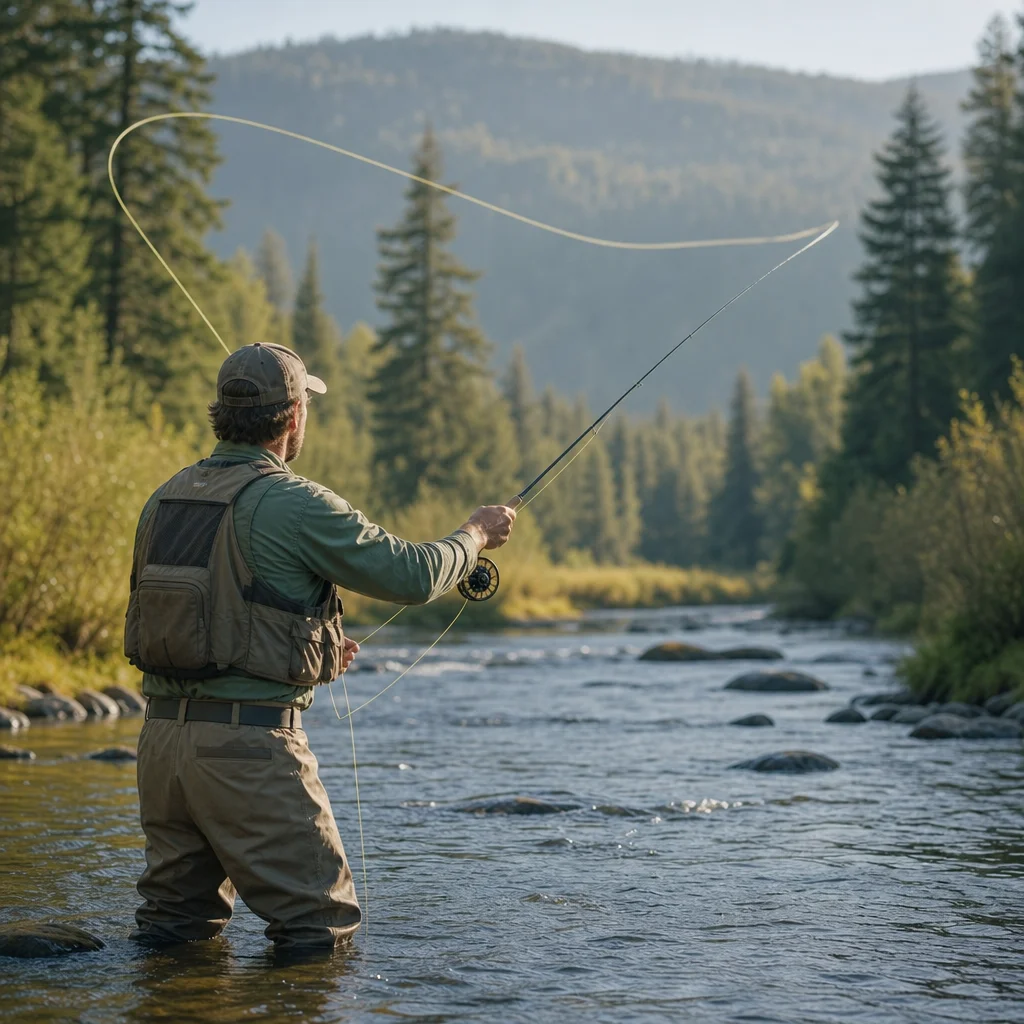
Cold, wet bank fishing is easy to underestimate. You may be standing only a few steps from your vehicle, but wind, rain, damp clothing, and limited movement can drain your warmth over several hours. The right packing list isn’t the longest one—it’s the one that keeps you dry enough, fed enough, and able to leave safely when conditions turn.
Start with the weather, water, and access
Before choosing gear, look beyond the temperature in the forecast. Check precipitation, wind, cloud cover, daylight, and how quickly conditions may change. A chilly drizzle can be manageable; the same temperature with strong wind and saturated clothing can become a serious comfort and safety problem.
Think about the fishing location, too:
- How far is the walk from your vehicle?
- Will you be on an exposed bank, in a wooded area, or beside fast-moving water?
- Are there steep, muddy, or slippery sections?
- Will you have reliable phone service?
- Can you leave quickly if the weather worsens?
For a short outing near the car, you can keep your emergency kit compact. For a remote bank or a long hike, add more insulation, food, water, and backup communication. “Bank fishing” describes where you fish, not how little preparation you need.
Check the day’s conditions: Before leaving, review the current forecast, daylight, road or trail access, and any local advisories. Treat rising water, thunderstorms, icy travel, or a deteriorating forecast as reasons to shorten or cancel the trip—not challenges to overcome with better optimism.
Build your clothing system in layers
The most reliable clothing plan has three jobs: move moisture away from your skin, retain warmth, and block rain and wind. One thick garment usually performs worse than several adjustable layers because you can’t fine-tune it as your activity level changes.
Base layer: stay dry next to your skin
Wear a synthetic or wool base layer for your torso and legs. These materials generally manage moisture better than cotton, which can stay cold and wet after it becomes damp from rain or perspiration.
Pack a spare shirt and spare socks even if the forecast calls for only light rain. Socks can become wet from puddles, muddy ground, or condensation inside boots. A dry change stored in a waterproof bag may be more valuable than another fly box.
Insulating layer: keep warmth available
A fleece, wool sweater, or synthetic insulated jacket gives you warmth without making your outer shell do all the work. Down can be comfortable in dry conditions, but prolonged rain reduces its insulating performance unless it’s protected carefully. For wet bank fishing, many beginners find fleece or synthetic insulation easier to manage.
Bring an additional warm layer if you’ll be out late, walking far, or fishing from an exposed shoreline. You don’t have to wear every layer at the start. Pack it where you can reach it before you become chilled.
Outer layer: block rain and wind
A waterproof rain jacket with a hood is the foundation of the system. A water-resistant casual jacket may shed a brief shower but can eventually soak through, especially at the shoulders and sleeves where a rod and pack keep moving fabric around.
Rain pants are worth considering when you’ll sit, kneel, walk through wet vegetation, or fish for several hours. If you skip them, at least protect your trousers with clothing that dries reasonably quickly. Avoid relying on an umbrella near a rod, trees, slippery banks, or moving water; it can be awkward when both hands are needed.
Protect hands, feet, and head
Cold fingers affect more than comfort. They make knot tying, hook removal, and line handling clumsier. Pack lightweight gloves that still let you grip a rod and manipulate tackle. Bring a warmer backup pair in a dry bag, especially if rain is likely.
Fingerless gloves can help with dexterity, but they leave fingertips exposed. They’re a compromise, not a substitute for a warmer pair. Chemical hand warmers may be useful, but keep them dry and follow the product instructions. Don’t place a hot warmer directly against bare skin for long periods.
Your footwear should match the bank rather than the fish. Waterproof hiking boots may be enough for a firm trail. Muddy or saturated ground may call for taller waterproof boots, while wading boots are only appropriate when you’ve deliberately assessed the water, footing, current, and local requirements. Don’t enter the water simply because the bank is uncomfortable.
Wear wool or synthetic socks with enough room in the boot for circulation. Tight boots and extra socks can make feet colder, not warmer. Pack one dry pair in a sealed bag and keep that bag separate from wet clothing.
A warm hat or beanie helps reduce heat loss from an exposed head, while a brim can keep rain off your face and glasses. A neck gaiter or buff is useful in wind and can be adjusted as you warm up.
Pack food and drinks you’ll actually use
Cold weather can dull your sense of thirst and appetite, but you still need fluids and energy. Carry water in a bottle that’s easy to open with cold hands. An insulated bottle with a warm drink can be welcome, but avoid making it your only fluid supply.
Choose food that is simple to eat outdoors:
- sandwiches or wraps that don’t require utensils
- nuts, trail mix, or energy bars
- fruit that tolerates a pack
- crackers, jerky, or other shelf-stable snacks
- a small sweet item for quick energy
Pack at least one snack beyond what you expect to need. A delayed departure, a longer-than-planned walk, or a broken vehicle can turn a two-hour outing into a hungry one. Keep food in a waterproof pouch, and pack out every wrapper.
If you bring a stove or hot drink, use it only in a stable, well-ventilated location away from dry vegetation and flammable materials. Never use fuel-burning equipment inside a vehicle, tent, or other enclosed space because of carbon monoxide risk.
Carry a compact communication and emergency kit
Your phone belongs in a waterproof pouch, not loose in an outer pocket. Charge it before leaving, and consider a small power bank with a cable that works with your phone. Cold temperatures can reduce battery performance, so keep the phone insulated when you’re not using it.
Tell someone where you’re going, when you expect to return, and what to do if they can’t reach you. For a remote location with unreliable service, consider whether a satellite communicator or another emergency communication device is appropriate. Learn how it works before the trip; an unfamiliar device isn't a dependable plan.
A small emergency kit can include:
- headlamp or flashlight with fresh batteries
- whistle
- basic first-aid supplies
- blister treatment
- repair tape and a few cord loops
- lighter or waterproof matches, where lawful and appropriate
- emergency blanket or compact bivy sack
- spare gloves and socks in waterproof bags
- personal medications
- identification and emergency contact information
A headlamp matters even when you plan to leave before dark. Banks can look very different when daylight fades, and a slow walk over mud or uneven ground takes longer than expected.
Keep fishing gear simple and dry
Cold rain is a good reason to reduce tackle rather than add more. Bring the flies, leaders, tippet, forceps, nippers, and indicators you’re most likely to use. Store small essentials where you can reach them without emptying the pack onto wet ground.
A waterproof or water-resistant pack cover can help, but it may not protect gear from prolonged rain or an accidental dunking. Use small waterproof pouches for your phone, keys, wallet, and spare clothing. Keep one dry bag available for wet rain gear after the trip.
A landing net can make fish handling easier, particularly if the bank is steep or the trout is too large to control safely by hand. Carry forceps or hemostats for removing hooks, and keep barbless or debarbed hooks where local rules and your fishing approach allow. Handle trout with wet hands, minimize time out of the water, and avoid placing fish on rocks, soil, or dry fabric.
Choose comfort items by priority
Some additions are useful; others are just extra weight. A small sit pad can keep you off wet ground during a break. Sunglasses still protect your eyes on cloudy days and help with stray hooks. A towel can dry hands or gear, but a microfiber cloth packs smaller than a bulky bath towel.
Consider packing a plastic bag or waterproof sack for muddy clothing and a separate bag for rubbish. A thermos, spare cap, compact towel, and extra snack may provide more value than a second reel or several boxes of flies.
For beginners, the priority order is simple:
- Weather-appropriate clothing and dry spares.
- Water, food, and necessary medication.
- Phone, light, and basic emergency equipment.
- The fishing tackle needed for the planned method.
- Comfort extras based on distance and forecast.
Know when to stop
Cold stress can develop gradually. Persistent shivering, unusual tiredness, confusion, clumsy hands, slurred speech, or difficulty walking are warning signs that you need to stop fishing, add dry insulation, and get to a warm place. Don’t wait for the fishing to improve before responding to those signs.
Wet, numb feet and hands also increase the chance of mistakes. If you can’t tie knots, control a fish, or move securely along the bank, the sensible choice is to pack up. A trout stream will still be there on a warmer day.
Verify local limits and hazards: Check the current fishing regulations, access rules, fire restrictions, seasonal closures, and emergency guidance for the specific water before your trip. Conditions and requirements vary by location, and local authorities’ information takes priority over a general packing list.
A simple final checklist
Before you leave, confirm that you have:
- moisture-managing base layers
- warm insulation and a waterproof shell
- rain pants or suitable lower-body protection
- waterproof footwear and spare socks
- gloves, hat, and neck protection
- water, high-energy food, and medication
- phone in a waterproof case and a charged power bank
- headlamp, whistle, and basic first-aid supplies
- emergency insulation and a way to contact help
- minimal tackle, fish-handling tools, and waterproof storage
- a plan for where you’re going and when you’ll return
Pack for the coldest, wettest reasonable part of the outing rather than the pleasant first half-hour. If your clothing stays dry, your communication plan is sound, and your emergency kit matches the distance from help, you can spend more attention reading the water—and less time negotiating with your own shivering.