How to Leave a Trout Stream Better Than You Found It When Access Is Crowded
I’ll compare the small choices that matter at crowded trout access points, from parking and walking routes to litter, fish handling, and shared water. You’ll learn how to recover gracefully when a busy day creates avoidable wear, conflict, or confusion.
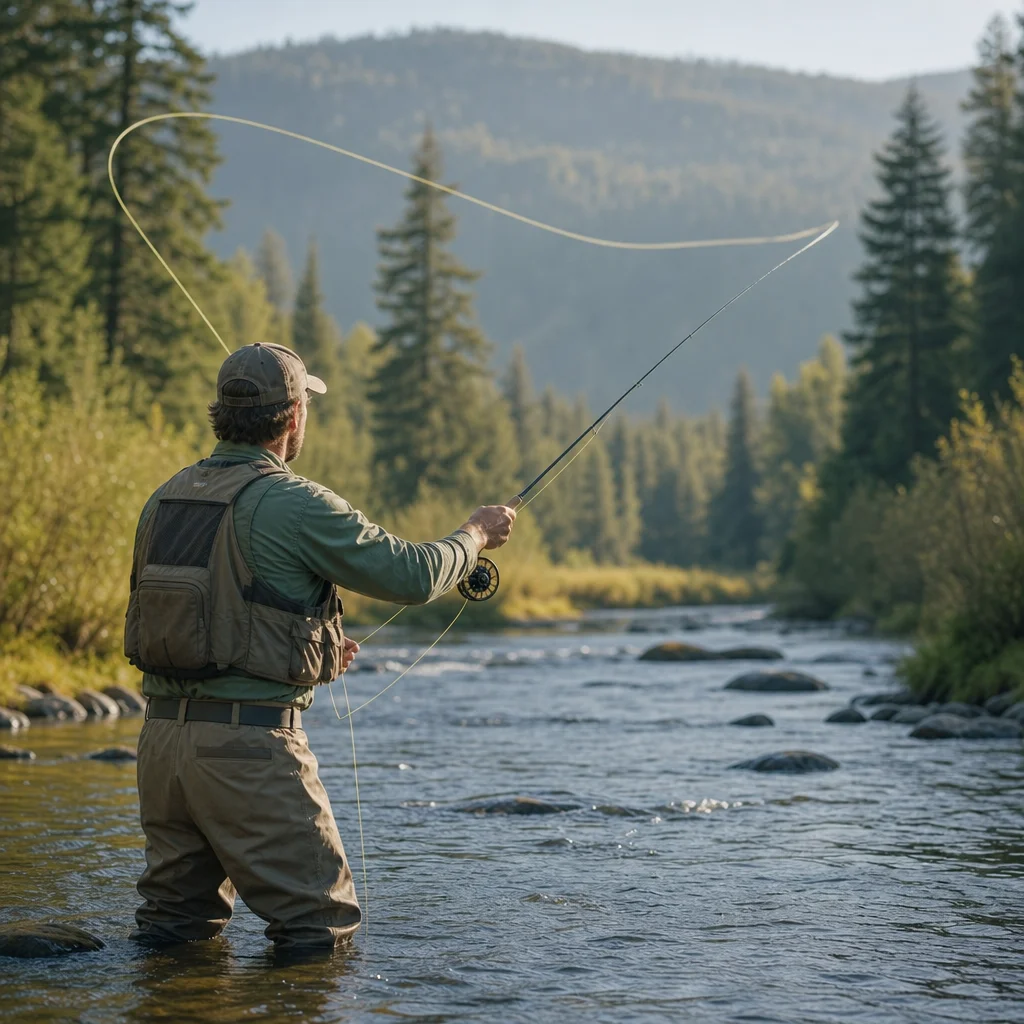
Crowded trout access changes the job. You’re no longer managing only your flies, footing, and fish; you’re also sharing a limited parking area, trail, shoreline, and stretch of water with anglers, hikers, landowners, and wildlife. A careless shortcut or abandoned scrap may seem minor, but repeated across a busy season, those choices can damage access and make fishing less pleasant for everyone.
The good news is that leaving a popular stream better than you found it usually doesn’t require a major cleanup project. It requires noticing what the crowd is putting pressure on, correcting your own impact, and responding sensibly when something has already gone wrong.
Start by treating access as shared infrastructure
A public pull-off, trail, bridge, or fishing corridor can feel like a neutral starting point. It isn’t. Someone maintains the road, owns adjacent property, manages the stream, or relies on the route for work and recreation. Even undeveloped access has limits.
Before unloading, look for the features that tell you how the area is meant to function:
- Marked parking spaces or established pull-offs
- Gates, posts, signs, and barriers
- Existing footpaths and stream crossings
- Areas showing repeated erosion or exposed roots
- Private-property markers or closed routes
- Trash containers and posted regulations
Use the established route even when a shortcut looks faster. A new path through grass or brush can become a permanent desire line after enough people follow it. Near a stream, repeated foot traffic may loosen soil, widen a bank, and send sediment into shallow water.
If the formal access is crowded, the responsible choice may be to wait, move to another legal access point, or end the stop early. Fishing an extra twenty minutes is rarely worth creating a parking problem or trespassing incident.
Solve parking problems before they become access problems
Parking is often the first point of failure at a heavily used trout stream. Vehicles block turnarounds, narrow a road, cover vegetation, or occupy space needed by emergency and maintenance vehicles. A car parked neatly from your perspective may still create a problem for someone trying to pass.
Before you walk away from the vehicle, ask:
- Can another vehicle get through without driving onto the shoulder?
- Is the vehicle fully outside the travel lane?
- Are you blocking a gate, driveway, crossing, or turnaround?
- Are all wheels on a surface intended for parking?
- Does the area have a posted time limit, permit requirement, or seasonal restriction?
Don’t assume that an unmarked gravel patch is available parking. It may be a private entrance, a drainage area, or a place reserved for snow removal or land-management access. If the only legal space is occupied, choose another access point rather than improvising.
Keep gear compact while loading. A rod case, cooler, wader bag, and loose tackle spread across a narrow pull-off can make a crowded area feel more congested than it is. Load and unload from the side of the vehicle when possible, then move equipment out of the way before rigging.
Confirm today’s access rules: Before fishing a popular public water, check the current land-manager, state, or local notices for parking restrictions, seasonal closures, permits, and designated access points. Rules can change with construction, fire conditions, flooding, wildlife protection, or private-land agreements.
Stay on durable paths and protect the bank
The easiest route to the water isn't always the best route. A steep scramble may be harmless once, but repeated traffic can create a channel that funnels rainwater directly toward the stream. Bank damage is especially easy to cause when anglers approach the same shallow shelf, undercut bend, or gravel bar.
Use rock, gravel, packed soil, or other durable surfaces when you have a choice. Avoid trampling wet banks, emerging vegetation, and soft edges. If a path is muddy, walking around it may create two damaged paths instead of one. Move slowly and accept a little mud on your boots.
Cross the stream only where it is allowed and where the bottom is stable. Don’t widen a crossing by pushing through vegetation or building stepping structures from loose rocks. Such alterations can shift flow, trap debris, or create hazards for other people and animals.
If you notice an existing shortcut, don’t automatically block it with branches or rocks. That may create another hazard or interfere with management work. Use the established official route and, if the damage is significant, report its location to the responsible land manager through the appropriate public channel.
Manage litter, line, and bait-related waste
The obvious rule is to pack out everything you bring in. At a crowded access, it helps to make that rule operational rather than merely well-intentioned.
Carry a small sealable bag for tippet clippings, fly packaging, food wrappers, used leaders, and wet paper. A jacket pocket may seem convenient, but line fragments can fall out later or catch on vegetation. Monofilament and fluorocarbon are difficult to spot and can injure wildlife when left behind.
Do a slow visual sweep before leaving the water. Look around your tying spot, the vehicle door, and the route back to the parking area. Check for:
- Short pieces of leader or tippet
- Dropped hooks and flies
- Rubber bands and soft-plastic packaging
- Beverage containers and food wrappers
- Bait containers or unused bait
- Torn net bags or equipment straps
Don’t place fishing waste in an overflowing public bin. If a container is full, seal your waste and take it with you. Leaving a bag beside the bin turns a disposal problem into wildlife access to food scraps and windblown litter.
If you find litter that you didn’t create, pick it up when doing so is safe. Use caution with hooks, broken glass, sharp metal, and unknown containers. A small pair of forceps or pliers can help with fishing-related debris; gloves are useful for general cleanup. You’re not required to handle hazardous material to be a good stream user.
Share water without turning courtesy into confusion
Crowded water creates two common mistakes: assuming you have exclusive ownership of a productive spot, or moving so cautiously that nobody understands your plan. Clear, low-key communication solves much of the problem.
If another angler is already working a pool, riffle, or run, give them room. Walk around only where the route is legal and durable, and avoid stepping through the water they’re fishing. If you’re unsure whether someone is moving upstream or downstream, ask politely rather than guessing.
When joining a shared stretch, maintain a reasonable distance and follow the local direction of movement if one is established. Don’t leapfrog another angler repeatedly, and don’t settle directly below someone who is covering water downstream unless you’ve agreed on it. A brief greeting and a simple question—“Are you working up?”—can prevent an awkward collision.
Keep voices low near anglers, wildlife, and homes. Your conversation may carry farther over water than you expect. Music played aloud, shouting across a pool, and repeated bank walking can affect everyone’s experience even when no formal rule prohibits them.
Respect a person’s decision not to talk. Crowded fishing requires courtesy, not forced sociability.
Handle fish and equipment with the busiest conditions in mind
A crowded bank makes careful fish handling more important because there’s less room to kneel, organize gear, or recover from a slip. Prepare before the fish is at hand. Keep forceps accessible, wet your hands, and decide where you’ll take a quick photograph—if one is necessary—before starting the fight.
Keep the fish in or just above the water whenever possible. Avoid carrying it up a steep bank, placing it on dry ground, or walking it to a better background. If the area is too crowded or unstable for a safe release, skip the photograph.
Use a net that won’t snag on vegetation or other anglers’ lines, and keep hooks secured when changing flies. A loose fly on the bank can injure a person, dog, or wildlife later. Store sharp items where they won’t fall from an open pocket or unzipped pack.
Follow the current fish-handling rules for the water. Regulations may specify tackle, hook, bait, harvest, seasonal, or species-specific requirements, and these details vary by location and can change. Good intentions don’t replace knowing the rules that apply to the particular stream.
When the area is already damaged, recover without making it worse
You may arrive to find overflowing trash, a blocked pull-off, trampled vegetation, or an angler behaving carelessly. The useful response depends on the problem and the risk.
For minor, safe issues, make a small correction: pick up line, move your own gear off the path, or carry out a few pieces of litter. Don’t rearrange signs, barriers, or stream features. Those may have a purpose you can’t see.
For active hazards—unstable banks, exposed needles, broken glass, aggressive behavior, contaminated water, or a vehicle blocking emergency access—keep your distance and report the issue to the appropriate manager or emergency service. If someone is fishing illegally or trespassing, avoid a confrontation. Note the location and contact the relevant authority when you have a safe opportunity.
If you accidentally damage a bank, break a posted rule, or interfere with another angler, correct what you can and acknowledge it plainly. Move to a more durable route, clean up the mess, or give the other person space. A quiet recovery is better than defending an avoidable mistake.
A simple departure checklist
Before driving away, take one final minute to confirm that you’ve left the site in at least as good a condition as you found it:
- Your vehicle is parked legally and doesn’t block access.
- All gear, packaging, line, hooks, and food waste are accounted for.
- You used an established path and didn’t create a new shortcut.
- Your fish were released or retained according to the current rules.
- You gave other anglers room and avoided unnecessary disturbance.
- Any safe, minor litter cleanup is complete.
- Serious hazards or access damage have been reported through the proper channel.
Crowded trout water rewards restraint. Park where you’re meant to park, walk where the ground can take it, communicate before entering someone’s space, and leave with less waste than you carried in. When a problem appears, fix the part that’s yours, avoid escalating the rest, and let the next angler inherit a stream that still feels worth visiting.