How to Stop Your Casting Arm From Tiring Before the Trout Start Rising
I’ll explain how to prevent the grip, shoulder position, and false-casting habits that drain your casting arm before the trout become active, then help you build rest breaks into a full day on the water.
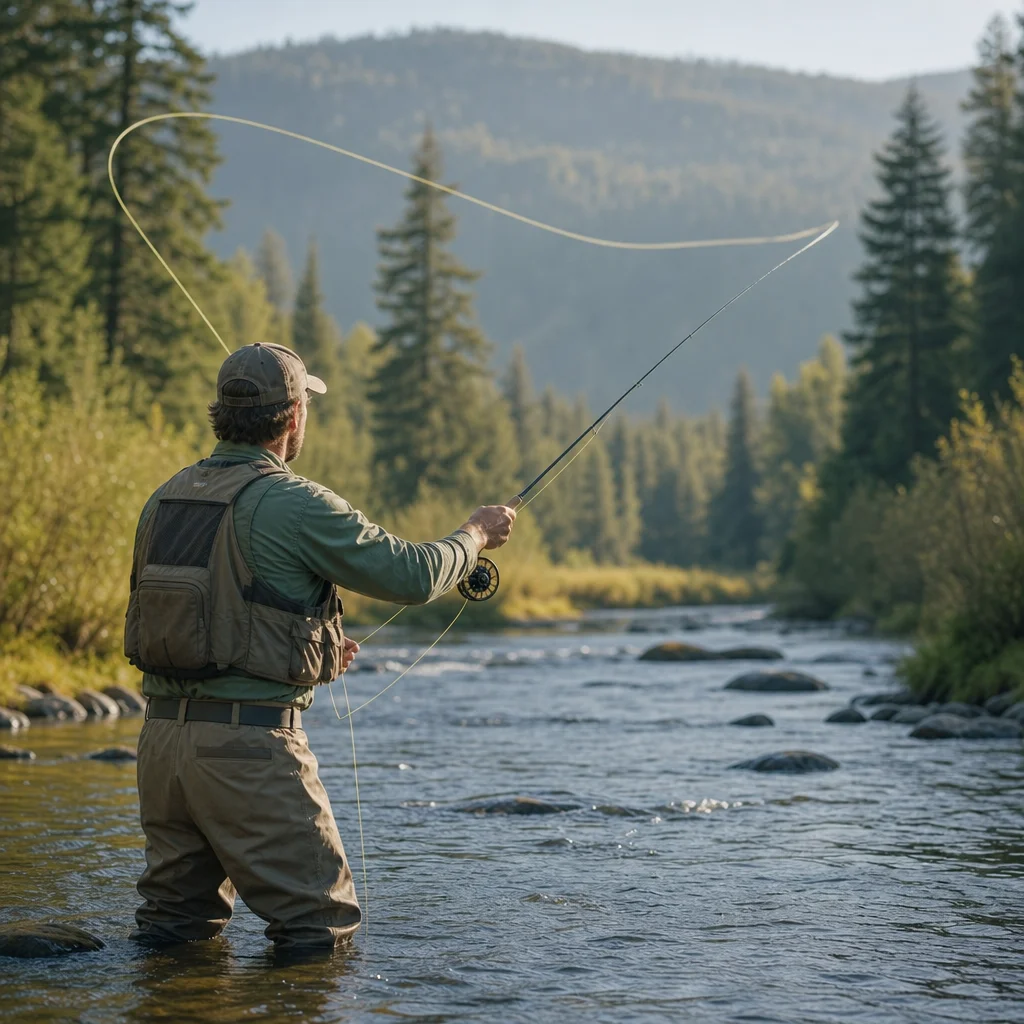
The trout may not be rising yet, but your casting arm is already filing a complaint. Fatigue often arrives before the fishing gets difficult, especially when you’re learning, changing flies, or repeatedly false casting while waiting for the right target.
The good news is that tiredness usually isn’t caused by casting itself. It’s more often the result of using too much force, carrying tension in the shoulder, or making more casts than the situation requires. Small adjustments can preserve your arm without making your cast less accurate.
Start With a Looser Grip
A fly rod doesn’t need to be squeezed as if it’s trying to escape. Excess grip pressure travels from your fingers into your wrist, forearm, elbow, and shoulder. The harder you hold the handle, the more likely you are to cast with your whole arm instead of allowing the rod to do its share of the work.
Hold the rod firmly enough that it won’t slip, but lightly enough that you can feel the handle without whitening your knuckles. Your thumb should generally rest on top of the grip or in a comfortable position suited to your rod and casting style. Your wrist should remain relaxed rather than locked in place.
A useful check is to briefly loosen your fingers during the pause between casts. You shouldn’t release the rod, but you should notice whether your hand can soften. If relaxing your grip immediately feels impossible, you’ve probably been holding too tightly.
Let the Rod Load
The rod bends when the line’s weight and your casting motion put it under load. You don’t need to force the rod into action with a fast, muscular stroke. A smoother pickup, clean stop, and well-timed pause usually produce more useful line speed than a hurried shove.
Think of the cast as directing the rod rather than throwing the line with your arm. A crisp stop gives the rod a chance to straighten the line. If the line isn’t going where you want, adding power may only make the loop wider or the timing less controlled.
Keep Your Shoulder Out of the Cast
Beginners often raise the entire shoulder during the backcast and forward cast. That movement can feel powerful, but it places unnecessary work on the upper arm and neck. It also makes your casting stroke harder to repeat.
Try keeping your shoulder relatively quiet while allowing movement through the elbow and forearm. The exact amount of wrist and elbow motion will vary with the cast, rod, distance, and wind, but your shoulder shouldn’t need to hike toward your ear on every stroke.
Your casting hand should remain in a comfortable working range in front of your body. If it drifts far behind your shoulder or sweeps in a large arc, you may be using more motion than the cast requires.
Check Your Posture
Stand or sit in a position that lets your casting arm move freely. Avoid hunching over the water or twisting your torso for long periods. Keep your feet stable, your neck relaxed, and your head aimed toward the target rather than turned sharply to follow the backcast.
When you’re wading, an awkward stance can make your arm compensate for poor balance. Before beginning a series of casts, settle your feet and make sure you aren’t leaning against the current or reaching around an obstacle. A stable body gives the rod a simpler job.
Limit False Casting
False casting can help you dry a fly, adjust line length, or reposition the line. It can also become an expensive habit. Every extra backcast and forward cast uses energy, even when the fly never lands on the water.
If you’re making six or eight false casts before every presentation, ask what each one is accomplishing. If the answer is “I’m waiting for the cast to feel right,” focus on a cleaner pickup and a more deliberate stop instead of adding repetitions.
Use the Water When You Can
You don’t always need to keep the line airborne. A roll cast, water haul, or controlled pickup can reduce the number of false casts needed to reposition line, depending on the space and conditions. These techniques aren’t interchangeable in every situation, but they can be valuable alternatives when overhead casting is tiring or restricted.
You can also shorten the line and make a direct presentation rather than repeatedly carrying more line than you need. If the trout is close enough, a short, accurate cast is usually more useful than a dramatic one.
Match the Cast to the Distance
Casting farther than necessary is one of the quickest ways to tire your arm. Begin by judging the actual distance to the likely holding water. Then carry only enough line to reach it with a little room for leader and drift control.
Longer casts require more line control and often more false casting. They may also tempt you to increase power when a better backcast pause or a cleaner loop would solve the problem. Before lengthening the cast, make sure your timing is sound at a shorter distance.
When you do need additional distance, add line gradually. Avoid trying to jump from a short cast to a full-length cast in one motion. Incremental increases let you notice when your loop begins to collapse or your arm starts working harder than the rod.
Build in Short Rest Breaks
Waiting until your arm is exhausted is a poor break strategy. By then, your casting often becomes tense and inaccurate, and you may start forcing the rod to compensate.
Instead, pause before you feel spent. Set the rod down while you change flies, inspect the water, move to a new position, or simply watch for a few minutes. A short break can also be part of your fishing rhythm: cast, drift, retrieve, reassess, and rest rather than casting continuously at water that has given you no useful information.
Switching hands for an easy repositioning cast may spread the work, but don’t treat it as a requirement or force an unfamiliar technique in difficult conditions. If your non-dominant hand feels awkward, use it only when the situation is simple and safe.
Alternate Tasks on Long Days
Casting is only one part of fishing. Spend time reading currents, watching insects, checking your drift, or moving carefully between likely lies. These pauses aren’t wasted time; they help you make fewer, better-informed casts.
If you’re fishing with someone else, take turns covering water or spotting rises. You’ll learn more from observing another angler’s presentation than from keeping your own line moving every second.
Use the Right Amount of Effort
A good cast should feel controlled rather than explosive. If your forearm burns quickly, your shoulder tightens, or your hand cramps, reduce the effort and examine the basics:
- Is your grip too tight?
- Are you lifting your shoulder?
- Are you casting farther than needed?
- Are you false casting without a clear purpose?
- Are you rushing the pause on the backcast?
- Is your fly or leader creating more resistance than your setup handles comfortably?
A change in fly size, leader design, or line setup can affect how much effort a cast requires. If the combination feels consistently difficult, ask an experienced angler or qualified fly shop staff member to watch your setup and casting motion. Small equipment mismatches can encourage bad habits, but technique should be checked before replacing everything.
A Simple Fatigue-Prevention Routine
Before fishing, make a few relaxed practice casts rather than immediately trying to reach maximum distance. Notice your grip, shoulder, and breathing. The goal is to find the minimum effort that produces a controlled loop.
During fishing, use this sequence:
- Pick a target and decide how much line you actually need.
- Make the fewest false casts necessary.
- Pause clearly on the backcast instead of rushing forward.
- Let the rod load and stop the forward cast cleanly.
- Watch the drift rather than automatically recasting.
- Rest after a short series of presentations, especially if your arm begins to tighten.
If you feel sharp pain, persistent numbness, or a sudden loss of strength, stop casting rather than trying to work through it. General fishing advice can’t determine the cause of those symptoms.
Your Next Day on the Water
Choose one adjustment instead of trying to rebuild your casting stroke all at once. For the first hour, focus on holding the rod more lightly. Then notice whether your shoulder stays down and whether each false cast has a specific purpose.
Carry less line when the target is close, take breaks before fatigue becomes obvious, and use the water to help reposition the line when appropriate. The aim isn’t to cast continuously until a trout rises. It’s to remain relaxed and ready when the rise finally comes.