Matching Terrestrial Flies to Late-Summer Trout Water
I’ll clarify how to choose among ant, beetle, hopper, and other terrestrial flies in late-summer Rocky Mountain streams, then show how size, profile, wind, and presentation affect the decision.
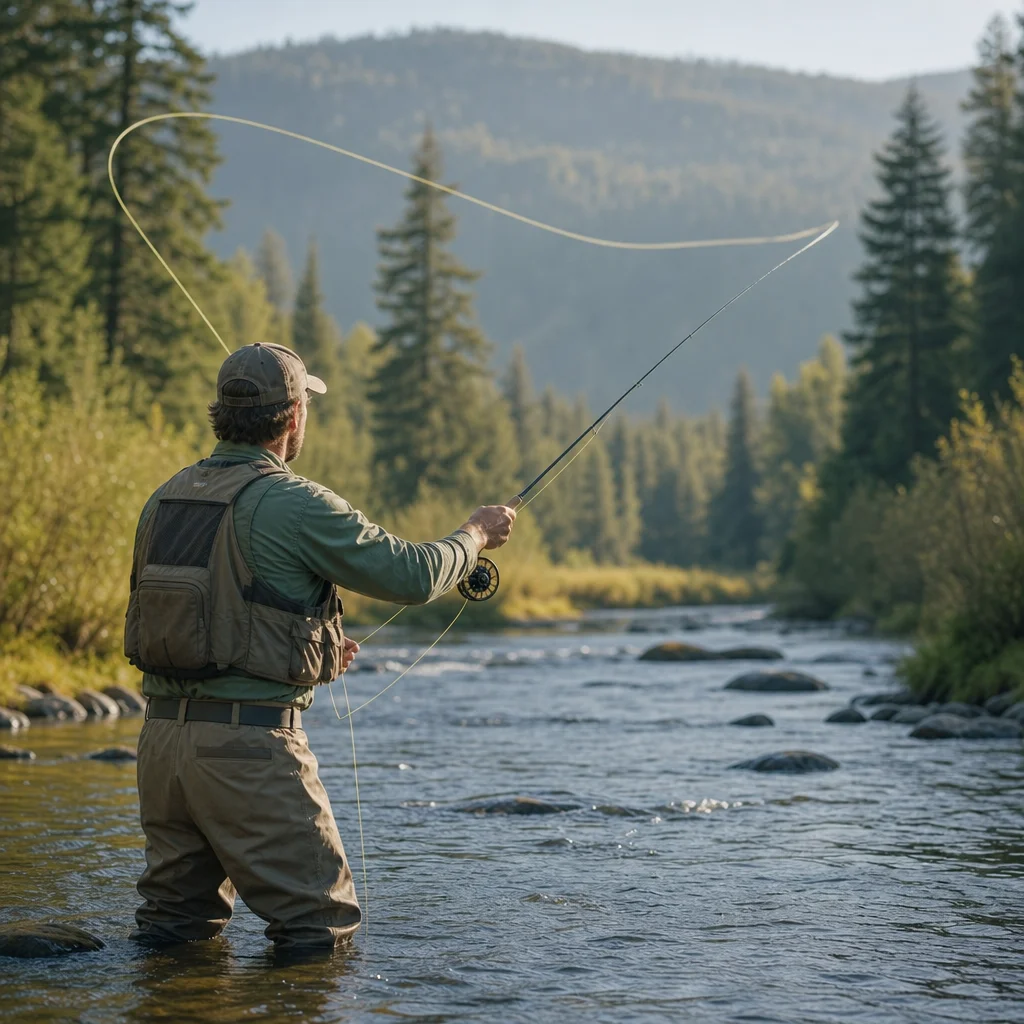
Late-summer trout often look upward for food that never lived in the river. Ants, beetles, grasshoppers, crickets, and other land insects reach the water from streamside vegetation, wind, and the occasional clumsy leap. The challenge is deciding which terrestrial imitation fits the water in front of you—and how to fish it without turning a good opportunity into a refusal.
The best choice usually comes from balancing three things: what insects are available, how easily trout can see your fly, and how much disturbance the current and wind are creating. Matching the exact species can help, but a convincing profile and natural drift often matter more than carrying every terrestrial pattern in the shop.
Why terrestrials become important in late summer
As summer progresses, streamside grasses, shrubs, and dry banks become productive sources of food. Insects fall or are blown into the current, particularly along undercut banks, meadow edges, and riffles bordered by vegetation. Trout learn that looking toward the bank can be worthwhile.
Late-summer conditions also change how you fish. Flows may be lower, currents can become more defined, and clear water gives trout more time to inspect a fly. At the same time, afternoon breezes can put plenty of insects on the water. These conditions create both an opportunity and a problem: terrestrials may be highly visible to trout, but so are poor casts, thick tippet, and unnatural drag.
You don’t need to know the precise insect species every time. Start by observing the bank, the surface, and the fish. Look for insects in the vegetation, floating bodies along the edge, or trout rising tight to banks and overhanging grass. Then choose a fly that presents the right general shape and size.
The main terrestrial choices
Ants: small, frequent, and easy to overlook
Ants are useful when trout are taking tiny insects near the surface, especially in relatively calm water. A simple foam or fur ant may look insignificant to you, but its dark, segmented profile can be easy for a trout to recognize.
Choose an ant when:
- You see small dark insects near the water.
- Trout are making subtle sips rather than forceful rises.
- The stream is low and clear.
- Larger flies are being ignored.
The trade-off is visibility. Small ants can be difficult to track, particularly in broken water or changing light. A highly visible post or bright indicator section can help, but avoid making the fly so bulky that it no longer resembles a small insect.
A size range in the smaller end of your terrestrial box is a useful starting point, but don’t treat a number as a rule. The right size is the one that fits the insects and the trout’s level of caution.
Beetles: a strong silhouette for banks and structure
Beetles are often at their best along wooded banks, brush, and overhanging vegetation. Their rounded body creates a clear silhouette, and a dark beetle pattern can stand out against a bright surface. They’re especially useful when trout are holding beneath banks or near submerged branches where windblown insects might land.
Choose a beetle when:
- The bank has trees, shrubs, or dense vegetation.
- Trout are looking toward the edges rather than the middle of the stream.
- The surface is relatively smooth and the fly can be watched.
- You want a compact pattern that lands with less bulk than a large hopper.
Beetles are less useful when you need to cover turbulent pocket water and can’t see the fly. Their low profile may be realistic, but it can disappear quickly. In that situation, a foam beetle with a modest sighting aid—or a more visible terrestrial—may be easier to fish effectively.
Hoppers: maximum attraction and visibility
Grasshoppers are the classic late-summer terrestrial. They’re a sensible choice beside dry meadows, grassy banks, and open slopes where wind can carry them into the stream. Hopper patterns are also useful when you need a fly that’s easy to track through complex currents.
Choose a hopper when:
- Grasshoppers are active along the bank.
- Wind is moving through tall grass.
- Trout are willing to move for a larger meal.
- You need a visible fly in broken or pocket water.
The advantage of a hopper is its presence. It’s easier to see, easier to cast near structure, and often capable of attracting trout from a little distance. The drawback is that a large hopper can look excessive in a narrow, low, clear stream. It may also land heavily, spook fish in shallow water, or be rejected by trout focused on smaller insects.
When the water is calm and the fish are cautious, try reducing the hopper size before abandoning the pattern altogether. A small, slim hopper can retain the profile and visibility you need without presenting such a large target.
Crickets and other larger terrestrials
Crickets, katydids, cicadas, and similar insects can matter locally, but their importance varies considerably by stream and season. Don’t assume that a large terrestrial is automatically the best late-summer choice simply because it attracts attention.
Use these patterns when the surrounding habitat supports them or when trout are clearly comfortable taking larger surface food. A broad, dark cricket profile can be effective in shaded water, while a larger, highly visible pattern may suit windy conditions or deep banks.
The trade-off is specificity. A large fly can be excellent when it matches the local food supply, but it’s a poor substitute for observation. If trout repeatedly rise short or refuse the fly, try a smaller hopper, beetle, or ant before adding more movement.
Choose by water before choosing by insect
A useful decision process is to assess the water in this order:
1. Check the bank and surface
Look at the vegetation, not just the current. Dry grass suggests hoppers, while trees and brush make beetles more plausible. Small dark insects on the surface or in the air point toward ants and other compact patterns.
Then watch the trout. A rise tight against the bank supports a bank-oriented terrestrial. Rises scattered through riffles may call for something more visible and buoyant.
2. Judge visibility and turbulence
In smooth water, a low-profile ant or beetle may be convincing. In choppy water, it may be nearly impossible to track. A hopper or foam pattern gives you a better visual reference and may sit above the surface longer.
This is one of the central trade-offs: realism helps the trout accept the fly, while visibility helps you control it. Choose the most realistic pattern you can still follow confidently.
3. Match the general size
Start close to the insects you see, but remember that trout don’t inspect every meal under identical conditions. A smaller pattern is often safer in low, clear water. A larger pattern can be more practical in wind, shade, or broken current.
If a fly gets refusals, change size before changing everything else. A modest reduction can solve a problem that looks like a pattern failure.
4. Consider color as a secondary detail
Black, brown, tan, olive, and muted yellow cover many useful terrestrial situations. Color matters, but shape, size, and drift usually deserve attention first. A perfect shade presented with drag is still a poor imitation.
Presentation matters more than a crowded fly box
Terrestrials rarely enter the water neatly. They may land near the bank, twitch briefly, or drift awkwardly as currents pull at their legs. That gives you some room to add subtle movement, but movement should be deliberate rather than constant.
Start with a drag-free drift. Cast toward the bank, along a seam, or beside structure, then let the fly travel naturally through the likely holding water. A slight twitch can help after the fly has drifted for a moment, particularly with a hopper or beetle. Too much action makes the fly look like an artificial object being operated from above.
A reach cast or a short upstream cast can help keep the fly moving naturally. Keep the leader and tippet as light as conditions allow, but don’t use tackle so fine that you can’t control a fish near branches, cutbanks, or fast current. Your choice should balance a natural presentation with practical control.
When to add a dropper
A terrestrial can serve as a dry fly and a surface indicator for a small nymph below it. This approach is useful when trout are feeding both near the surface and beneath it, or when surface activity is uncertain.
The trade-offs are straightforward. A dropper gives you another chance at a fish and may reveal where trout are feeding, but it adds weight, drag, tangles, and a less natural surface presentation. It can also make delicate casts near wary fish more difficult.
Use a dropper when the water is deep or mixed in depth and you can cast the setup comfortably. In shallow, clear water where trout are focused on the surface, a single terrestrial is often the cleaner choice.
Check the local setup rules: Before fishing a terrestrial-and-dropper rig, confirm the current regulations for the specific Rocky Mountain water you’re visiting, including limits on flies, hooks, and attached configurations.
Common mistakes to avoid
Choosing the largest fly because it’s easiest to see
Visibility is valuable, but an oversized hopper can spook trout or look unlike the available food. Scale down when the stream is clear, shallow, and calm.
Changing flies before fixing the drift
A fly that drags across the current can fail even when it matches the hatch—or the bank. Extend the drift, adjust your casting angle, or mend more effectively before cycling through every terrestrial pattern you own.
Casting only to obvious rising fish
Terrestrials often attract trout that aren’t visibly rising. Work likely edges, shaded banks, undercut margins, and current seams with careful casts. Fish may be watching the bank without announcing it.
Ignoring your fly after a missed take
A trout that misses a hopper may still respond to the same fly if you let the water settle and present it again from a better angle. If the fish refuses repeatedly, then change the size, profile, or pattern.
A simple late-summer terrestrial selection plan
Carry a small range rather than a box full of nearly identical patterns:
- A few small ants for calm, clear water.
- Compact beetles for wooded banks and smooth edges.
- Small and medium hoppers for grass, wind, and broken water.
- One or two larger, darker patterns for local crickets or other substantial insects.
- Patterns with enough visibility for you to track without overwhelming the imitation.
Begin with the smallest plausible fly that you can see and fish confidently. Move larger when wind, turbulence, or available insects justify it. Move smaller when trout are cautious, rises are delicate, or the water is unusually clear.
The goal isn’t to copy every terrestrial on the bank. It’s to choose a pattern that fits the insect profile, the water’s visibility, and your ability to create a natural drift. Make that decision carefully, then spend more attention on where the fly lands and how it travels. In late summer, those details often matter more than whether your hopper has the exact right shade of yellow.