How to Select Flies When You Can't Identify the Hatch
I’ll show you how to choose a workable fly when the hatch is unclear, using trout behavior, surface clues, season, and size. You’ll also learn how to organize and maintain a small selection so uncertain days become easier to manage.
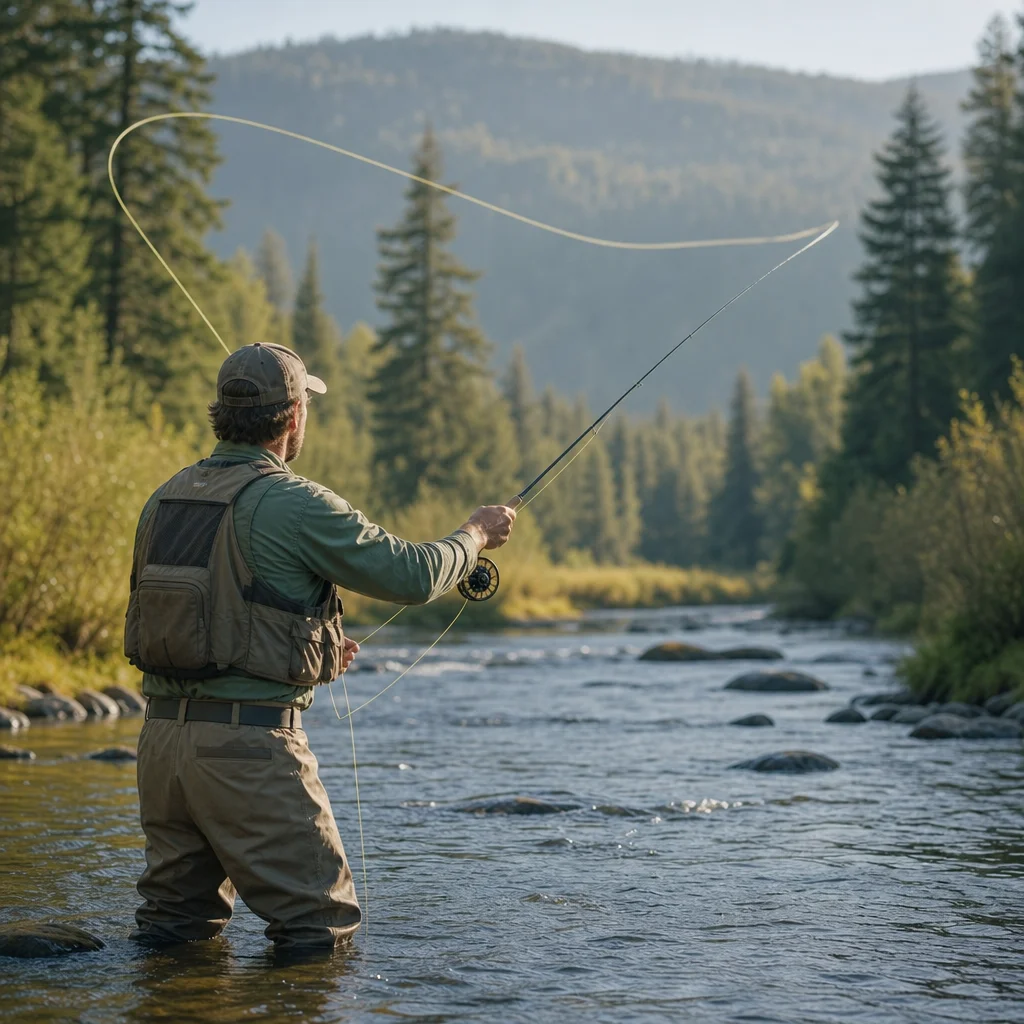
When trout are feeding but you can’t identify the insects, it’s tempting to keep changing flies until something works. That approach can waste time, disturb the pool, and leave your fly box less organized than it was when you arrived.
You don’t need to name every insect to make a sensible choice. Start with the fish, the water, and the general size of available food. Then use a repeatable process that helps you adjust without guessing wildly.
Start with trout behavior, not insect names
The way trout feed gives you the most useful information. Before tying on a fly, watch the water for a few minutes. Look for rising fish, swirls, flashes below the surface, or trout holding close to the bottom.
These clues help you decide where your fly should travel and whether it should be fished as a dry fly, nymph, emerger, or streamer.
Rising steadily to the surface
A trout that rises repeatedly to nearly the same spot is probably feeding on food in or near the surface film. It may be taking adult insects, emergers, spent insects, or small terrestrials. You don’t need to know which one immediately.
Begin with a dry fly or emerger in a general size that matches what you can see. If the fish refuses it, change one variable at a time:
- Reduce the fly size.
- Choose a less bulky pattern.
- Try an emerger that sits partly below the surface.
- Improve your presentation before changing flies again.
A drag-free drift often matters more than an exact imitation. If the fly moves unnaturally across a feeding lane, even a well-matched pattern may be ignored.
Swirling or flashing below the surface
Swirls and flashes often indicate subsurface feeding. Trout may be taking nymphs, emergers, or small baitfish just below the surface. A lightly weighted nymph, soft-hackle wet fly, or unweighted emerger can be a reasonable first test.
Fish the fly at the depth where you see activity. In shallow riffles, a lightly weighted nymph may be enough. In deeper or faster water, you may need added weight, a weighted pattern, or an indicator system that helps the fly reach the feeding zone.
No visible feeding activity
When trout aren’t showing themselves, begin with the most likely food available in that water. A small nymph is often a dependable search pattern in rivers and streams because many aquatic insects spend most of their lives below the surface.
Other useful search options include a small woolly bugger, leech pattern, or terrestrial near undercut banks and grassy edges. Keep the first choice modest rather than oversized unless the water is stained, high, or clearly holding larger prey.
Read the surface for broad clues
You’re not trying to perform a complete entomology survey. You’re looking for simple evidence that narrows the choice.
Check the surface and nearby vegetation for:
- Adult insects drifting in the air or trapped in surface film.
- Shucks on rocks, branches, or streamside plants.
- Small insects crawling on stones.
- Ants, beetles, grasshoppers, or other land insects near the bank.
- Baitfish, leeches, or crayfish in slower margins and deeper runs.
The presence of insects doesn’t prove trout are eating them. A few may simply be emerging or being blown onto the water. Give feeding behavior more weight than the number of insects you spot.
Surface clues can still help with size and color. If you see many tiny dark insects, start small and dark. If the visible insects are pale and larger, try a larger, lighter pattern. Match the general profile before worrying about the exact species.
Use season as a probability filter
Seasonal knowledge is useful because it helps you make an initial choice, but it shouldn’t override what the river is showing you. Weather, elevation, water temperature, and local insect populations can shift activity considerably.
In broad terms:
- Early season: Small to medium nymphs, stonefly patterns, midge imitations, and streamers can be useful, especially when water is cold or high.
- Late spring and summer: Mayflies, caddis, stoneflies, terrestrials, and a wider range of nymphs may become important. Local conditions determine which group matters on a particular day.
- Late summer: Small terrestrials, small mayflies, caddis, and midges are common considerations, particularly during low, clear flows.
- Fall: Streamers, small nymphs, and seasonal mayfly or midge patterns may all have a place. Spawning activity can also change where trout hold, so avoid disturbing fish on redds.
- Winter or very cold conditions: Small, slowly fished nymphs are often a practical starting point when trout have limited energy and feeding activity is subdued.
Treat these as starting points rather than rules. A warm, windy afternoon can put terrestrials on the water outside the period you associate with them. A sudden cold front can suppress surface activity even when insects are present.
Check the local water rules: Before fishing, confirm current regulations for the river, including open seasons, permitted fly patterns, hook restrictions, weight rules, and any closures or spawning-area protections. These details can vary by water and may change from year to year.
Match size before color
When you can’t identify the hatch, size is usually a more reliable first adjustment than color. Trout often reject a fly that is obviously too large or too small, while they may accept several colors with a similar shape and profile.
A useful sequence is:
- Estimate the size of the insects or prey you can see.
- Choose a fly that is close in length, not necessarily identical in color.
- Fish it with a natural drift or retrieve.
- If trout respond but refuse, change size or profile.
- Change color after those adjustments have failed.
Keep a range of sizes for a few dependable patterns instead of carrying dozens of near-duplicates. For example, a small collection of nymphs, dry flies, emergers, and streamers in several sizes can cover more situations than a large box filled with one size in many colors.
Build a reliable search system
A consistent system prevents random switching. Start with the simplest presentation that fits the evidence, then make deliberate changes.
Step 1: Identify the feeding zone
Decide whether trout are feeding on the surface, just below it, near the bottom, or throughout the water column. Your fly choice won’t matter much if it spends its time at the wrong depth.
Step 2: Choose a broad pattern
Select a general imitation with a familiar profile: a mayfly-shaped dry fly, caddis-style pattern, small nymph, midge, terrestrial, or streamer. Choose the size from the water and visible prey.
Step 3: Make a quality presentation
Give the fly several useful drifts through likely holding water. Mend line as needed, keep excess slack under control, and approach carefully. A poor drift can make a good fly look unconvincing.
Step 4: Change one variable
If nothing happens, change depth, size, profile, or fly type—but not all four at once. This gives you information. If you change everything together, you won’t know what solved the problem.
Step 5: Record what worked
A brief note in your phone or fishing log can improve future decisions. Record the date, water level, weather, approximate fly size, depth, and type of response. “Small dark nymph, deep in fast pocket water” is more useful later than a vague note that trout were difficult.
Keep your fly selection dependable
Long-term reliability comes from maintaining a compact selection you understand. Inspect flies before and during the season. Replace patterns with damaged hackle, loose thread, cracked foam, bent hooks, or badly fouled materials.
Separate flies by function or size so you can find them quickly. A practical layout might include:
- Small surface flies and emergers.
- Medium and large dry flies.
- Shallow and deep nymphs.
- Soft-hackles or wet flies.
- Streamers and larger searching patterns.
Carry enough variety to adjust, but avoid treating every uncertain moment as a reason to buy another box of flies. A few proven patterns in useful size ranges are easier to maintain, restock, and fish with confidence.
Dry flies should be kept as dry as possible, and damp flies should be allowed to dry before long-term storage. Check hooks for rust, especially after fishing in wet conditions. Small maintenance habits protect the part of your setup that actually catches fish: a sharp, properly tied fly presented in the right place.
Common mistakes to avoid
Changing flies after every cast
Give a reasonable presentation a chance. Constant changes often indicate that you’re reacting to uncertainty rather than reading the water.
Matching color while ignoring depth
A perfect color fished above or below the feeding zone is still a poor match. Solve depth and drift first.
Using a large fly because the water is difficult
High or stained water can justify a larger, more visible pattern, but size should still reflect likely prey and trout behavior. Start conservatively unless conditions provide a clear reason to go bigger.
Ignoring your approach
Trout may refuse a fly because they’ve detected you, not because the pattern is wrong. Stay low, use available cover, and cast from a sensible distance when the water is clear.
A simple decision checklist
When you can’t identify the hatch, ask:
- Are trout feeding on the surface or below it?
- What size of food is visible or seasonally likely?
- Is the water clear, colored, high, low, fast, or slow?
- Which general fly profile fits those clues?
- Can you improve the drift before changing patterns?
- What single adjustment will give you the most useful information?
You don’t need a perfect identification to make a good choice. Begin with behavior, use season and surface clues to narrow the field, match size before color, and keep your fly box organized around dependable options. With a repeatable process, an unidentified hatch becomes a manageable fishing problem rather than a reason to empty every compartment onto the bank.