What to Carry for a Small Blue-Winged Olive Hatch
Small blue-winged olive hatches reward a durable, well-organized selection more than a crowded fly box. I’ll show you how to prioritize dependable adult, emerger, and nymph patterns, maintain them through cool-season use, and replace only what earns its space.
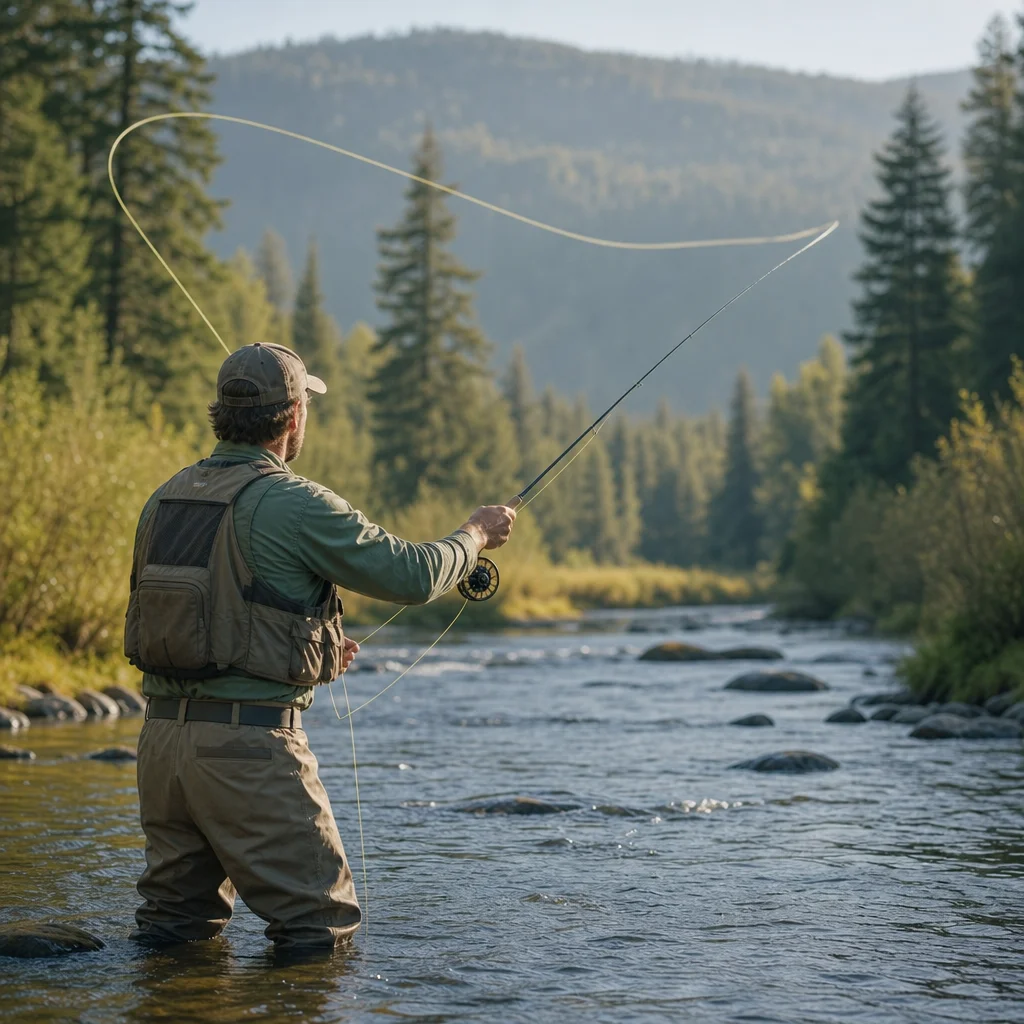
Cool-season blue-winged olive activity can make trout selective, but you don’t need a box full of nearly identical mayflies. You need a small selection that covers the insects trout are likely to see, survives damp conditions, and remains easy to find when the hatch starts.
The most reliable approach is to organize your flies by stage first, pattern second. Carry a few nymphs, emergers, and adults in a sensible range of sizes and colors, then maintain the box so those flies continue to float, sink, and ride correctly.
Start with the three stages that matter
Blue-winged olives, often shortened to BWOs, can appear as nymphs before the hatch, emergers during the transition, and adults on the surface. Trout may switch between those stages quickly, especially in cool water or during a sparse hatch.
A focused box should therefore cover:
- Nymphs for the hours before visible surface activity
- Emergers for insects caught in or just below the surface film
- Adults for rising trout taking fully formed mayflies
You don’t need to represent every possible imitation. You need enough variation to answer three practical questions:
- Are trout feeding below the surface or on top?
- Are the naturals small, medium-sized, dark, or relatively pale?
- Is your current fly still performing as intended?
That last question is easy to overlook. A pattern that worked yesterday may be waterlogged, bent, fouled, or missing material today.
A durable core selection
Carry a few dependable patterns in each life stage rather than filling every compartment with minor variations. The exact patterns matter less than whether they offer the right profile, size, and behavior.
Nymphs: your foundation before the hatch
BWO nymphs are commonly slender and may range from olive to brownish olive, with darker backs or pronounced segmentation. A slim pheasant-tail-style nymph, olive hare’s-ear variation, or another moderately weighted mayfly nymph can cover this role.
Consider carrying:
- Two or three slender nymph patterns
- A lightly weighted version for shallow or slower water
- A heavier version for deeper runs or stronger current
- Sizes roughly in the mid-teens through smaller sizes, adjusted to the water and local insect population
Avoid making every nymph heavily flashy or bulky. Some sparkle can suggest a trapped air bubble or emerging insect, but excessive flash may look out of place in clear, low water.
A useful nymph should sink predictably, track upright, and retain its shape after contact with rocks. Check the hook point and the thread wraps each time you remove one from the box. A damaged fly isn’t a reserve fly; it’s unmarked inventory waiting to cause confusion.
Emergers: the best answer when rises look uncertain
Emergers are often the most useful category when you see occasional dimples but can’t tell exactly what trout are eating. Patterns with a slender body below the surface and a small wing or thorax near the film can imitate an insect struggling to complete the transition.
Carry a few different profiles, such as:
- A simple CDC-style emerger
- A soft-hackle or spider-like pattern
- A low-profile thread or dubbing emerger
- A cripple imitation with a partially formed wing
These patterns should sit in or just below the surface film, not float several inches above it. Their effectiveness depends heavily on presentation and dressing. Too much floatant can make an emerger ride unnaturally high, while too little can turn it into an unplanned wet fly.
Keep emergers in a separate compartment from heavily dressed dry flies. CDC, fine dubbing, and hackle fibers can become compressed or contaminated when packed tightly beside larger patterns. A little separation protects both the materials and your patience.
Adults: sparse and low on the water
Adult BWOs are usually represented by small, slim dry flies with olive, gray-olive, or muted dun tones. A parachute-style dry gives you a visible post and a recognizable footprint, while a comparadun or similarly low-profile pattern can be useful when trout are inspecting the natural closely.
A compact adult selection might include:
- A visible parachute pattern for general use
- A lower-profile adult for flat, clear water
- A spinner-style pattern for spent insects
- A few sizes around the range you commonly encounter
Don’t rely on visibility alone when choosing a dry fly. A large, bright post may help you track the fly, but the body and footprint still need to match the feeding situation. If the trout are refusing a highly visible pattern, try a smaller or more subdued version before changing to an entirely different insect.
How many flies should you carry?
For an intermediate angler, a focused box might contain a few copies of each core pattern across two or three useful sizes. That gives you enough redundancy to replace a lost or damaged fly without carrying every variation tied by a catalog.
A practical starting arrangement is:
- Six to ten nymphs, divided between slim and moderately flashy patterns
- Six to ten emergers, including at least two profiles
- Six to ten adults, including parachute, low-profile, and spinner-style options
- A small number of larger or smaller patterns if the stream regularly produces them
These numbers aren’t a rule. They’re a way to prevent the common mistake of carrying twelve patterns and only one copy of the fly that is actually working.
Prioritize duplicates of proven, versatile patterns over novelty. If one emerger covers several nearby sizes and floats correctly after repeated use, it deserves more space than a pattern that looks interesting but has no clear job.
Organize the box for quick decisions
A fly box is more useful when its layout reduces hesitation. Arrange compartments by stage, with the flies you expect to try first in the easiest places to reach.
You might organize one box like this:
- Front row: emergers and small adults
- Middle row: general-purpose adults and spinners
- Rear row: nymphs, heavier versions, and backups
Alternatively, use separate small boxes for dries and subsurface patterns. This can be more reliable than one crowded box, particularly when wet flies are returned before they’re completely dry.
Labeling can help if your patterns are visually similar. A small mark on the compartment or box lid—such as “E,” “A,” or “N”—is often enough. You don’t need an elaborate inventory system, but you should know what needs replacing before the next trip.
Maintenance keeps a small box effective
A compact selection only works if each fly remains ready for its intended job. Maintenance is less glamorous than tying on a new pattern, but it prevents many avoidable failures.
Dry wet flies before closing the box
Never seal damp flies in a closed compartment if you can avoid it. Moisture can flatten materials, encourage corrosion on hooks, and transfer water to nearby flies. Use a drying patch, fly-drying amadou, or a breathable temporary container while you move between spots.
Once you’re home, leave wet flies out to dry fully before returning them to storage. This is especially important for CDC patterns and other materials that hold water.
Remove damaged flies promptly
Inspect flies for:
- Blunt or bent hook points
- Loose thread or body material
- Missing tails, hackle, or wing fibers
- Flattened dubbing or badly fouled CDC
- Rust or discoloration on the hook
A slightly untidy fly may still catch fish, but a pattern that no longer sits correctly or penetrates the surface reliably should be repaired or discarded. Keeping it in the box only makes selection slower.
Protect hooks and materials
Avoid overfilling compartments. Crowding compresses hackle and wings, catches delicate fibers on neighboring hooks, and makes it harder to remove a fly without damaging others.
Store boxes somewhere cool and dry rather than in a damp vest pocket or an enclosed vehicle. Extreme heat can soften adhesives and warp some plastic boxes, while persistent moisture creates a less obvious problem: gradual hook corrosion.
Replenish by function
After a trip, don’t simply replace every missing fly with the same pattern. Note what was lost, what was damaged, and what you actually used. Then replenish the role that has become weak.
If you used nearly all your small emergers but never touched the oversized adults, your next tying or shopping session should reflect that. The box should become more useful over time, not merely more crowded.
Adjust for the water in front of you
The best BWO selection changes with conditions. In fast riffles, a slightly more visible and durable adult or a weighted nymph may be easier to fish. On a calm pool, a slim emerger or low-profile dry may be more convincing. In broken water, visibility and stability can matter more than a perfectly delicate silhouette.
Water clarity also affects your choices. Clear, low flows often favor muted colors, fine tippets, and smaller profiles. Slightly colored water can allow a touch more contrast or flash, but that doesn’t mean every fly should be bright.
Pay attention to the naturals you can actually collect or observe without disturbing the water. Size and color vary by stream and season, so local observation is more useful than treating “BWO” as one exact insect.
A compact decision sequence on the water
When you arrive, use this order rather than immediately selecting your favorite dry fly:
- Look for surface activity. Watch for rises, floating shucks, or adults on the water.
- Check the margins and slower seams. Nymphs and emergers may be easier to find there than in the main current.
- Begin with the most likely stage. Use a nymph before the hatch, an emerger during uncertain feeding, or an adult when rises are consistent.
- Change one variable at a time. Try a different size, profile, or stage before changing everything.
- Inspect the fly after each fish or snag. Replace it if the hook or materials no longer perform.
This process keeps your small selection working as a system. It also prevents the familiar box-side ritual of choosing a new fly every few minutes without learning what the trout are responding to.
Practical next steps
Before your next cool-season outing, sort your BWO flies by stage and remove anything damaged, rusty, or redundant. Add a few dependable duplicates in the sizes your local water produces most often, then pack a drying method for wet flies.
On the water, carry enough nymphs, emergers, and adults to cover the hatch without treating every possible variation as necessary. A clean, dry, well-maintained box will usually help you more than a larger one.