Do You Need a Spare Fly Line for Recreational Trout Fishing?
I’ll clarify when a spare fly line is sensible for recreational trout fishing, when it’s unnecessary expense, and which lower-cost backup options can prevent a ruined day on the water.
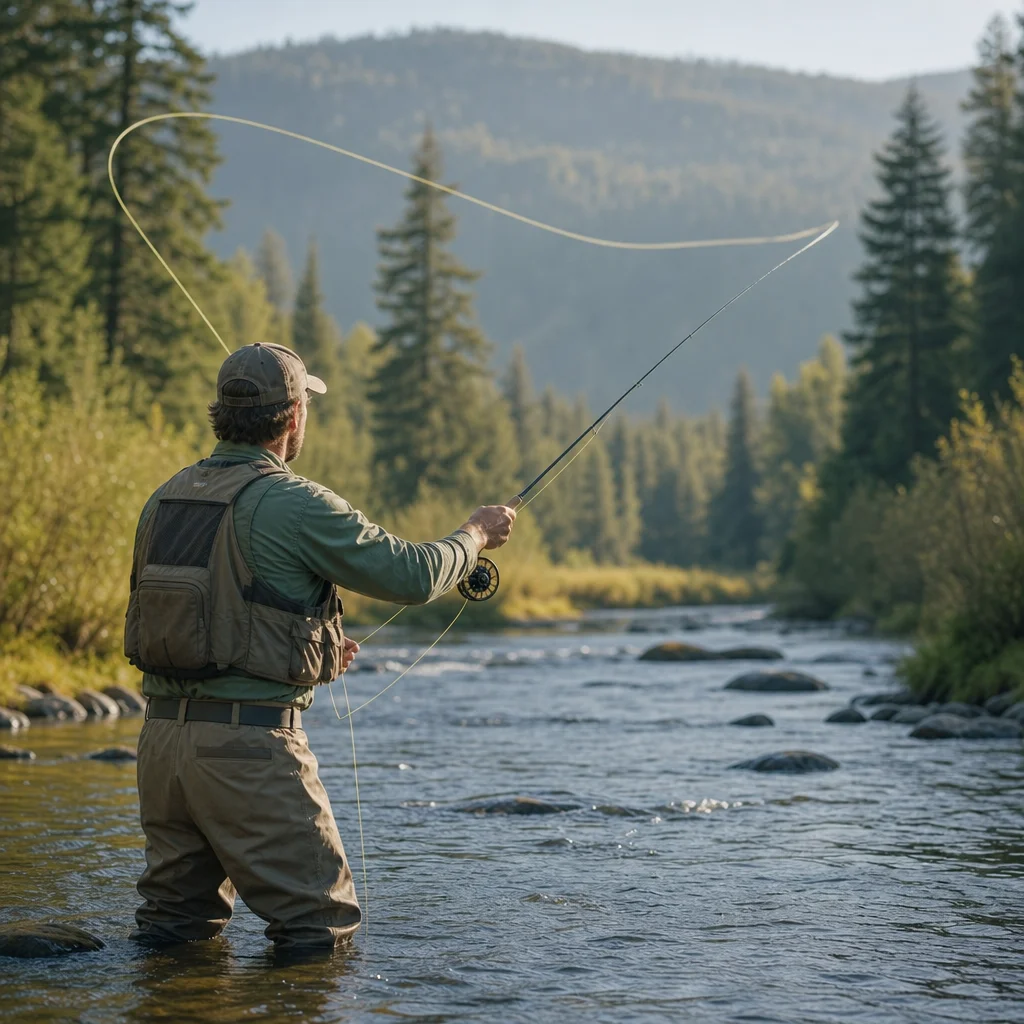
A spare fly line can feel like sensible insurance—or like an expensive item that will sit unused in a drawer. For most recreational trout anglers, the right answer depends less on how often you fish than on where you fish, how far you travel, and how difficult a replacement would be to find.
The common mistake is treating every backup as equally useful. A second line that doesn’t match your rod, reel, or fishing conditions won’t help much in an emergency. In many cases, careful storage and a few small repair items provide better value than buying a complete duplicate immediately.
What counts as a spare fly line?
A spare fly line is usually a second complete line that you can put on your reel when the primary line is damaged or when conditions call for a different taper or density. It may be stored on another spool, a spare reel, or a line wallet.
That’s different from several other useful backups:
- Backing: The braided line beneath your fly line. It gives a running fish extra distance but won’t replace a damaged fly line.
- Leader and tippet: These are inexpensive, replaceable terminal sections. Carrying extras is essential, but they don’t solve a damaged fly line.
- A line-repair kit: A small set of tools or materials may help with a minor coating cut, though it won’t restore every failure.
- A second reel or spool: This holds a spare line and makes changing lines faster, but costs more and adds weight.
If you’re asking whether you need a backup, first decide which kind of problem you’re trying to prevent. Losing a leader to a tree is normal. Splitting the fly line coating is less common, but it can end a trip if you’re far from a shop.
When a spare line is worth considering
You fish far from replacement options
A backup becomes more valuable when reaching a tackle shop would require a long drive, a new trip, or an expensive change to your plans. This matters especially on remote vacations, multi-day fishing trips, or journeys where you’ve arranged transportation and lodging around a short fishing window.
You don’t need to fish remote wilderness for this to apply. A small town may have general fishing supplies but not the correct fly line weight or taper for your setup.
Your trip would be difficult to repeat
For a casual evening close to home, a failed line may be irritating but manageable. On a planned trip that you can’t easily repeat, the same failure carries a higher cost.
This is a decision about trip value rather than fishing frequency. Someone who fishes only a few times a year may still want a spare line for an important destination trip. Someone who fishes weekly near a well-stocked shop may reasonably skip one.
Your primary line is old or visibly worn
Fly-line coatings gradually become damaged by grit, heat, sharp rocks, hooks, and poor storage. Warning signs include:
- Cracks or splits in the coating
- A rough section that catches in the guides
- Persistent curling that doesn’t improve with normal stretching or use
- A line that sinks when it should float
- Visible swelling, peeling, or exposed core
- Repeated failures around the same section
A spare line isn’t a substitute for replacing a worn primary line. If the old line is unreliable, make the newer line your primary and keep the older one only as a clearly limited backup—or retire it.
You use more than one line type
A second line can be justified when you regularly switch between fishing situations. For example, a floating line may cover most dry-fly and nymph fishing, while a different line could help when you need to get a fly deeper in still water.
That’s not strictly an emergency spare; it’s a second fishing tool. The purchase makes more sense if you’ll use both lines regularly. Buying a specialized line for a situation you encounter once every few years is usually poor value for a budget-conscious angler.
When you probably don’t need one yet
You fish short local trips
If you’re usually within easy reach of home or a fly shop, the practical risk is low. A damaged line may end one outing, but buying a second line in advance can cost more than the occasional inconvenience.
In this situation, focus first on protecting the line you already own. Keep it away from car doors, hooks, gravel, hot dashboards, and tightly wound storage. Basic care prevents more failures than many anglers expect.
Your current line is new and well maintained
A new, correctly stored line is unlikely to fail without warning during ordinary recreational use. It can still be cut by a sharp object or damaged by a careless step, but you don’t need to assume that every trip requires duplicate equipment.
Inspect it before leaving and after fishing. Run the line through your fingers, looking for rough spots or cuts. Check the welded loops and connection points, since these areas often receive extra stress.
You haven’t settled on your setup
If you’re still learning which rod weight, line taper, or fishing style suits you, wait before buying a backup. A second line purchased too early may reinforce a setup you later replace.
Use your first line long enough to identify what you actually need. You may discover that your problem isn’t a missing backup but a line that’s too heavy, too light, too short, or poorly matched to the rod.
The most common spare-line mistakes
Buying the wrong weight
A spare line must match the rod and reel system appropriately. The line weight printed on the line should generally correspond with the rod’s intended line rating, though specific rod-and-line combinations can vary by design and casting preference.
A line that’s one weight different isn’t automatically useless, but it shouldn’t be an accidental purchase. Check the rod manufacturer’s recommendations and the line’s specifications before buying.
Check the match before packing: Confirm the line weight, profile, length, running-line arrangement, and connection method against your rod and reel. A backup that doesn’t fit your setup is storage, not insurance.
Storing the line without a spool
A loose fly line can be carried in a bag, but it’s more vulnerable to tangles, kinks, dirt, and crushing. A spare spool or second reel protects it and makes the changeover much less frustrating.
If a dedicated spool costs nearly as much as a basic reel, compare the complete systems rather than focusing only on the line price. A second reel may be heavier, but it can be ready to fish immediately.
Keeping a damaged line as a “backup”
Many anglers retire a line from primary use and then forget why it was retired. A line with a failing coating, unreliable floating performance, or a damaged welded loop may not become dependable simply because it’s stored for emergencies.
Label an older line honestly. If it’s usable only for practice casting or short-term fishing, don’t rely on it for a remote trip.
Choosing an expensive specialty line for rare conditions
Specialized lines can be useful, but they also increase the chance of buying something that spends most of its life unused. For occasional trout fishing, a dependable floating line will often cover the majority of situations.
Consider a specialty line when you can name the recurring problem it solves. “I often need to reach deeper water in this particular lake” is a stronger reason than “it might be useful someday.”
Forgetting the small connection parts
A backup line still needs a workable connection to the backing and leader. Depending on your setup, that may mean a loop-to-loop connection, a leader with a suitable loop, or the ability to make a temporary connection correctly.
Carry spare leaders and tippet regardless of whether you carry a full line. They’re cheaper, smaller, and far more likely to be needed during an ordinary outing.
Lower-cost alternatives to a complete spare line
If a full backup doesn’t fit your budget, reduce the most likely risks first.
Carry a repair kit
A compact line-repair kit can help with minor damage, particularly a small separation or rough spot. Learn how to use it before you need it beside the river. Some damage is too extensive for a field repair, so treat this as a way to finish a day—not a permanent restoration method.
Carry a spare leader and tippet
These won’t fix a cut fly line, but they address the failures you’re most likely to encounter: broken knots, damaged tippet, and leaders lost in cover. Keep them dry and organized in a small case.
Protect the primary line
Simple habits have a high return:
- Don’t place the line on gravel or underfoot.
- Keep hooks secured before moving between spots.
- Avoid shutting line in vehicle doors or windows.
- Rinse away grit when appropriate and let the line dry before long-term storage.
- Store it loosely rather than in tight, permanent coils.
- Keep it out of prolonged heat and direct sunlight when not in use.
Follow the care instructions supplied with your particular line, since coatings and cleaning recommendations can differ.
Keep a backup setup rather than a duplicate line
If you already own a second rod and reel, adding a compatible line may be more useful than buying a line alone. It gives you a complete fishable setup and can reduce downtime when someone in your group has equipment trouble.
This option makes less sense if the second setup is poorly matched or difficult to transport. More equipment is helpful only when you can keep it organized and ready.
A simple decision rule
You should strongly consider a spare fly line if at least two of these describe your fishing:
- You travel a long way to fish.
- You fish remote water or multi-day trips.
- A failed line would be difficult or expensive to replace.
- Your primary line is old, damaged, or heavily used.
- You regularly need a second line type.
- You already have a spare spool or reel that makes storage easy.
You can probably postpone the purchase if you mainly fish locally, use one well-maintained floating line, and can reach replacement supplies without disrupting an important trip.
The practical answer for most recreational anglers
Most occasional trout anglers don’t need to carry a second complete fly line on every local outing. A well-matched primary line, spare leaders and tippet, basic line care, and a modest repair kit usually provide better value.
A spare line becomes worthwhile when the consequences of failure rise: remote access, costly travel, limited replacement options, or a known aging line. If you buy one, match it carefully to your rod and reel, store it on a protected spool or reel, and choose a line you’ll use—not merely one that sounds versatile.
Before your next trip, inspect your current line, check its connections, and decide how difficult replacement would be if it failed that morning. If the answer is “I’d lose the whole trip,” a backup is no longer excess gear; it’s reasonable preparation.