Do You Need a Spare Fly Rod on a Multi-Day Trout Trip?
A spare rod matters most when distance, terrain, weather, and limited repair options can turn a small break into a lost fishing day. I’ll help you weigh those risks against pack space, group resources, and the accessories that may serve you better.
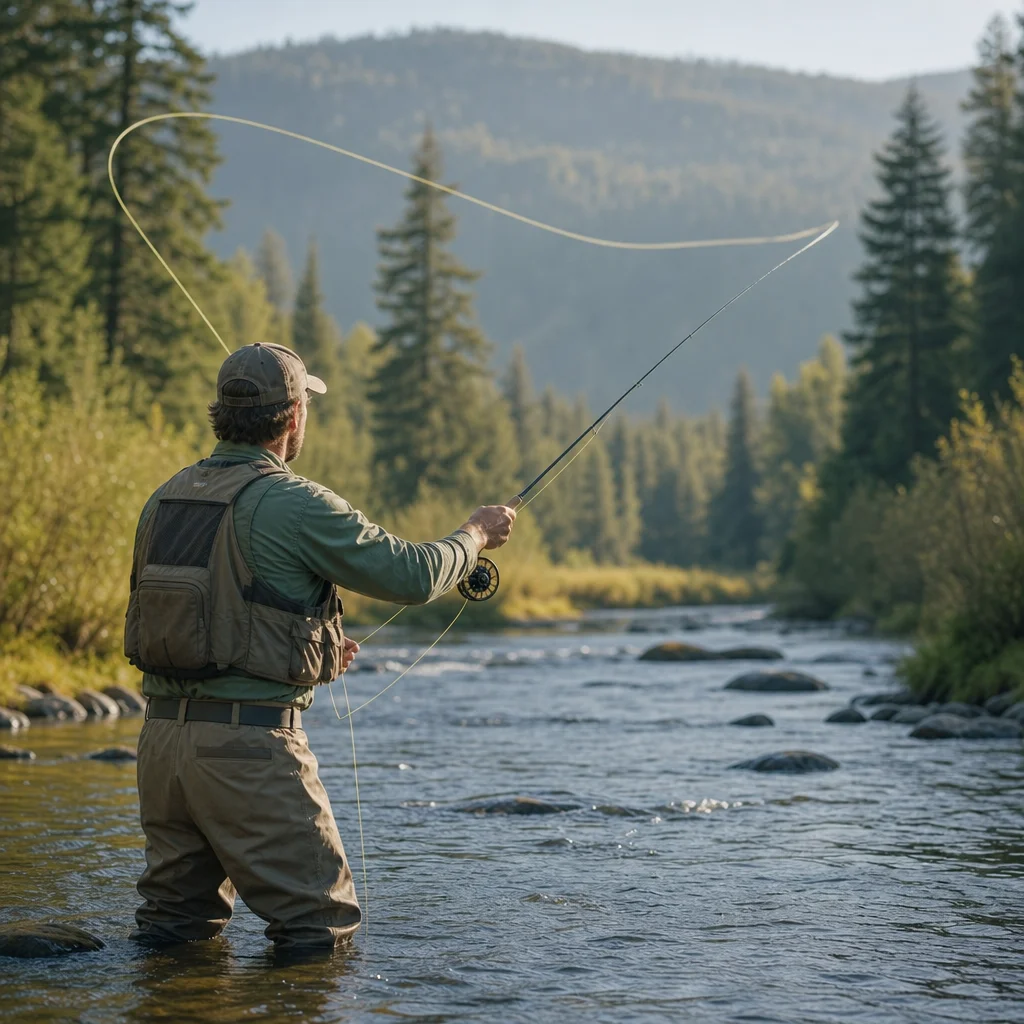
A broken rod is inconvenient at home and potentially trip-changing several miles from the trailhead. On a multi-day trout trip, the right decision isn’t simply whether backup gear is useful; it’s whether a second rod solves a realistic risk better than a repair kit, spare sections, or more versatile accessories.
For many overnight trips, one well-maintained rod is enough. For remote travel, difficult approaches, or groups relying on a single fishing setup, a spare becomes easier to justify. The key is to assess the trip rather than follow a universal rule.
Start with the consequence of a break
The first question isn't how likely the rod is to fail. It’s what happens if it does.
If you’re fishing close to a vehicle, a damaged rod may mean a short walk back, a delayed afternoon, or a quick replacement from a nearby shop. On a backcountry trip, the same failure could end your fishing for the remainder of the outing. A spare rod is primarily insurance against that consequence.
Consider these factors:
- Distance from replacement: How far are you from your vehicle, a road, a lodge, or a shop that carries suitable gear?
- Trip length: A broken rod on the final evening is less disruptive than one damaged on day one of a five-day trip.
- Fishing priority: Is fishing the main purpose, or is it one activity among several?
- Access and terrain: A short approach and a strenuous, exposed route create very different carrying costs.
- Weather and water: Cold, wind, rough banks, and awkward wading can increase handling mistakes and equipment stress.
- Group resources: Can another angler lend you a compatible rod, or is everyone bringing a specialized setup?
A spare makes the most sense when failure would be expensive in time, difficult to recover from, or especially disappointing because fishing is central to the trip.
Estimate breakage risk realistically
Fly rods don’t usually fail because a trout suddenly overpowers them. More often, damage comes from preventable accidents: a car door, a careless assembly, a falling pack, a snagged fly, or a rod section forced together with grit in the ferrules.
That matters because a backup rod doesn’t eliminate the causes of failure. If you carry one carelessly, you can damage both rods. Prevention still deserves attention:
- Assemble and disassemble the rod away from loose gravel and sand.
- Check that ferrules are seated correctly before casting.
- Keep the rod in its tube when hiking through brush or scrambling over rocks.
- Don’t pull hard on a snag with the rod held high; point the rod at the fly and use the line or leader when appropriate.
- Keep the assembled rod out of tent doors, vehicle doors, and crowded cooking areas.
- Inspect guides, ferrules, and the tip after a fall or hard impact.
A spare is most valuable when paired with better handling. Otherwise, it can encourage a false sense of security while adding weight and another fragile object to manage.
Compare a second rod with a repair strategy
Before packing a complete backup, build a realistic repair plan. A repair strategy can be lighter and more useful than a second rod, particularly if you can obtain replacement sections for your primary rod.
What a compact repair kit can cover
A small kit may include replacement tip sections if available, a few temporary guides or guide-repair materials, narrow tape, a knife or small multitool, and spare leader material. A protective tube for the primary rod is also part of the repair plan, not an optional luxury on a rough approach.
These supplies can address minor problems, such as a loose guide or a damaged tip. They won’t restore every broken blank, and improvised repairs may change how the rod casts. The goal is often to keep fishing adequately, not to produce a perfect workshop repair beside the river.
When repair parts are the better choice
Choose repair-focused redundancy when:
- Your rod model has readily available replacement tips or sections.
- The trip is moderately remote but not completely isolated.
- You’re comfortable making a basic field repair.
- Pack weight and volume are tight.
- You have another suitable rod available within the group.
A replacement tip is only useful if it actually fits your rod. Check the model, length, section designation, and storage tube before leaving. “It looks close enough” isn't a reliable repair system.
When a second rod is the better choice
A complete spare is stronger insurance when the primary rod could suffer damage that a tip or temporary guide repair won’t solve. A crushed midsection, badly cracked ferrule, or rod lost in fast water generally can’t be fixed with a few items from a repair pouch.
A spare also lets you keep the original setup intact. You won’t need to change flies, leader length, or line arrangement while trying to make a damaged rod serviceable.
Check your recovery plan: Before you leave, confirm which rod sections or replacement tips are available for your primary setup and decide whether the group has a genuinely usable fallback if that rod fails.
Don’t pack the wrong kind of spare
A backup rod should be useful in the conditions you’re likely to encounter. The cheapest or lightest rod isn't automatically the best backup if it can’t handle your flies, line, or expected fish.
For a trout trip, a spare with a similar general purpose is often more practical than an entirely different specialty setup. If your primary rod is a medium-action rod for dry flies and light nymphing, a compatible spare may cover most of the same water. A different length or line weight can still work, but it may require different leaders, flies, and casting habits.
Think about compatibility in four areas:
- Line weight: The spare should have a line you’re carrying or one that another group member can supply.
- Rod length and action: A dramatically different rod may be awkward on the same streams and under the same wind conditions.
- Reel and backing: A spare reel isn't always necessary, but you need a workable way to mount a reel and manage the line.
- Fly and leader range: The setup should handle the flies and leaders you expect to use, not just cast in an empty yard.
You can reduce weight by carrying a backup rod without a dedicated reel if the group has a compatible reel and line that can be moved quickly. That approach saves space but adds a transition step. Practice it before the trip rather than discovering that the reel seat, arbor, or line weight doesn’t cooperate beside camp.
Consider group size and shared equipment
Solo anglers and large groups should think differently about redundancy.
If you’re alone, a spare rod has a clear benefit because there’s no one else to borrow from. You may also want a more conservative repair plan because help is farther away and carrying out a damaged rod may be harder.
In a group, not every angler needs a personal backup. One shared rod can provide useful redundancy if it’s stored accessibly, protected properly, and suitable for the people who may need it. A group spare hidden at the bottom of one person’s overloaded pack is less useful than the plan suggests.
Agree on a few details before departure:
- Who is carrying the spare?
- Is it protected in a hard or semi-rigid tube?
- Does it have a usable reel and line?
- Can everyone assemble and cast it?
- What happens if the person carrying it leaves the group for a side hike?
The same principle applies to repair tools. Shared equipment works only when the group knows where it is and how to use it.
Account for travel and storage risks
A multi-day trip often includes more rod handling than the fishing itself. Rods may be packed into vehicles, checked or carried through transit, strapped to pack exteriors, leaned against rocks, and moved repeatedly around camp. Each transfer is an opportunity for damage.
Use the rod tube or case whenever the rod isn't in your hand and the situation is cluttered or exposed. Protect the tube from heavy compression, and don’t assume an exterior pack attachment is safe simply because it is convenient. A rod extending above the pack can catch branches or interfere with balance.
Travel also changes the spare-rod calculation. If a rod will be transported through several vehicles or baggage systems before the hike begins, a backup may protect the overall trip from a failure that occurs before you reach the water. On the other hand, two rods require more careful storage and create twice as many items to track.
A simple decision framework
Use this quick test:
Carry a spare rod when most of these are true
- You’ll be several hours or more from practical replacement.
- Fishing is a primary reason for the trip.
- The trip lasts multiple fishing days.
- You’re traveling solo or your group has no compatible fallback.
- Conditions or terrain increase the chance of accidental damage.
- You can carry the rod in a protective tube without sacrificing critical safety or shelter equipment.
- A failed repair would leave you unable to fish effectively.
Leave the spare behind when most of these are true
- You’ll fish near a vehicle or established base.
- Another angler has a compatible backup.
- Your primary rod has reliable, available replacement sections.
- The trip is short or fishing is incidental.
- The extra rod would displace food, clothing, navigation equipment, or other higher-priority gear.
- You have a tested repair kit and know how to use it.
That last point deserves emphasis: a rod should never displace essential equipment simply to preserve the possibility of more fishing. On remote trips, navigation, shelter, food, water treatment, weather protection, and communication remain more important than tackle redundancy.
Common mistakes to avoid
Packing an untested backup
Cast the spare before the trip. Check the ferrules, guides, reel seat, line, and drag. A backup with a damaged tip or unsuitable line is only extra weight.
Treating a repair kit as magic
Know what each item can repair and what it can’t. A few wraps of tape may get you through a short session, but they don’t make a severely damaged blank safe or durable.
Choosing a specialty backup
A spare designed only for tiny dry flies may not help if wind, deep water, or larger patterns dominate the trip. Match redundancy to the range of conditions you actually expect.
Ignoring rod protection
A second rod carried unprotected can fail before the first one does. Use a tube, keep it away from compression, and secure it so it can’t rattle against hard gear.
Forgetting the transition plan
If changing rods requires moving a reel, line, and leader, practice the process. Pack small tools and connection materials where they can be reached without emptying the entire pack.
The practical answer
For a remote, multi-day trout trip where fishing is a major objective, carrying one shared or personal spare rod is usually sensible if the weight and protection are manageable. For a shorter trip with nearby access, a sound primary rod, replacement tip, and compact repair kit may be the better balance.
Make the decision by measuring consequence, not anxiety. Protect the primary rod, verify your repair options, choose a backup that fits the expected fishing, and make sure the spare doesn’t crowd out genuinely essential equipment. A little redundancy can save a trip, but thoughtful preparation usually prevents the break that redundancy was meant to solve.