Your First Fly Line: How to Choose Floating, Sinking, and Intermediate Lines
I’ll explain how floating, intermediate, and sinking fly lines behave, then help you choose one dependable first line for the trout water you fish most often. You’ll also learn which features matter and which purchases can wait.
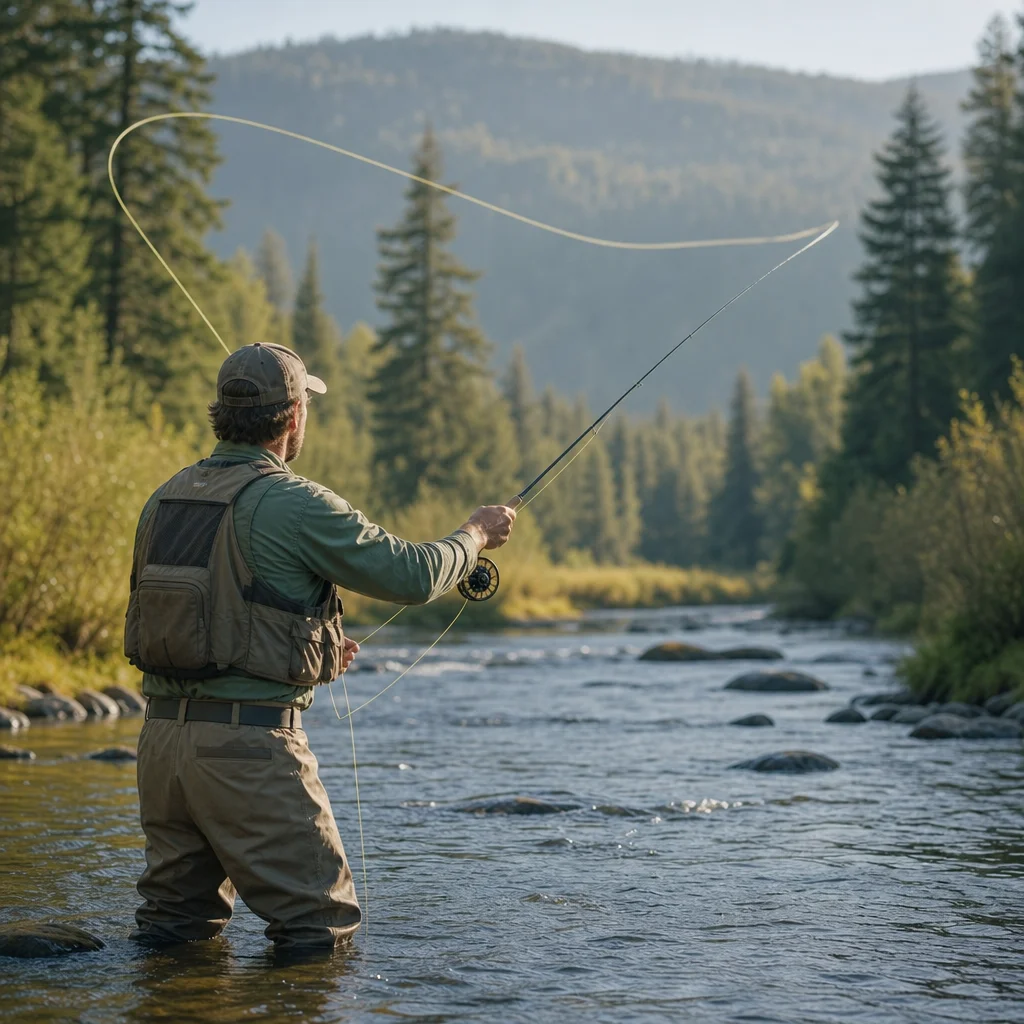
Your first fly line can feel like a small decision with an outsized number of choices attached to it. Manufacturers offer different densities, tapers, colors, and specialty designs, but beginners usually don’t need a drawer full of lines to start catching trout.
For most first setups, the sensible approach is to match one versatile line to the water you fish most often. In many trout situations, that means a weight-forward floating line matched to your rod’s line weight. Sinking and intermediate lines have useful jobs, but they’re usually additions rather than replacements for that first all-purpose line.
Start with the line your rod is designed to cast
Before comparing floating and sinking lines, check the marking on your rod. A rod labeled 5-weight, for example, is generally designed to cast a 5-weight fly line. Your reel should hold that line, backing, and enough running line for the fishing you plan to do.
The line weight isn't the diameter or breaking strength of the line. It refers primarily to the weight of a standardized portion of the line that loads the rod during the cast. Matching the line weight to the rod gives you the most predictable starting point.
A weight-forward, or WF, taper is usually the best first choice. Its heavier front section helps load the rod and carry ordinary trout flies without demanding advanced casting technique. It also gives you a useful balance of casting distance, roll-casting ability, and presentation.
You’ll see specialty tapers marketed for delicate presentations, long casts, heavy flies, or particular casting styles. Those can be valuable later. For a first complete setup, they can make the decision harder without solving a problem you have yet.
The three basic line types
Fly lines are commonly described by how they float or sink in the water. The three categories you’re most likely to encounter are floating, intermediate, and sinking lines.
Floating lines
A floating line stays on or near the water’s surface. Its tip may sit slightly in the film depending on the design, coating, and wear, but the line is intended to remain buoyant.
This is the standard first line for trout because it works with a wide range of techniques:
- Dry-fly fishing
- Nymphing beneath an indicator
- Nymphing with a short leader and no indicator
- Streamer fishing in shallow or moderate-depth water
- Roll casting and other presentations where line control matters
A floating line also makes it easier to see and manage your connection to the fly. You can mend it to control drag, lift it from the surface for another cast, and keep more of the line under observation.
If you’re learning to cast, floating line is especially forgiving. You can practice false casts, roll casts, mending, and line pickup without asking the line to move through the water at a particular depth.
Intermediate lines
An intermediate line sinks slowly, often just below the surface. The exact sink rate varies by construction, but the basic purpose is consistent: keep the line from riding on top while avoiding the faster descent of a full sinking line.
Intermediate lines can help when trout are feeding below the surface and a floating line creates too much drag or keeps a streamer riding too high. They’re also useful in stillwater, where a slowly sinking fly can stay in the upper part of the water column for longer than it would with a floating line and a short leader.
The trade-off is control. An intermediate line is harder to mend than a floating line, and it won’t sit visibly on the surface. If you’re still learning how to manage slack and detect strikes, that reduced visibility can make the setup less comfortable.
For a beginner fishing mostly moving streams, an intermediate line is rarely the first extra line to buy. For someone fishing ponds or reservoirs where trout suspend away from the bank, it may become a more useful second line.
Full sinking lines
A full sinking line is designed to move below the surface and continue sinking at a stated or approximate rate. It’s useful when you need to keep a fly deep, particularly when fishing streamers in deeper water or probing stillwater at a specific depth.
This line type can reach fish that a floating line can't, but it introduces several complications. You have less direct control over the line’s position, mending becomes ineffective or limited, and retrieving the line can require more attention. A full sinking line can also be awkward when you need to make frequent changes in depth or switch quickly between surface and subsurface techniques.
Sinking lines are specialized tools rather than the default choice for a first trout setup. They make sense when your regular water consistently requires depth and your other options aren’t reaching fish effectively.
Choose based on the water you fish most often
The best first line depends less on the fish’s name and more on the water’s depth, current, and the techniques you expect to use.
Small and medium moving streams
Choose a floating weight-forward line if you’ll mostly fish creeks, rivers, and wadeable trout streams. It supports dry flies, indicator nymphing, shallow streamers, and the line mending needed to manage current.
A floating line also gives you room to change tactics. You can use a longer leader for dry flies, add weight or an indicator for nymphing, or fish a streamer near the surface without changing the line itself.
Large rivers and deeper runs
A floating line is still the most flexible starting point, but you may eventually want a sinking tip or another method of getting a streamer down. Before buying a full sinking line, consider whether the problem is actually line depth.
A heavier fly, a shorter leader, added weight where appropriate, or a dedicated sinking-tip system may solve the immediate problem with less disruption to line control. The right choice depends on your rod, leader setup, casting ability, and local fishing rules.
Ponds and reservoirs
If you’ll primarily fish stillwater, an intermediate line can be a useful second purchase. It helps keep flies moving below the surface and can make a slow retrieve more effective when trout aren’t near the top.
Still, begin with a floating line if you’re learning general fly-fishing skills. It lets you practice the widest range of casts and presentations, and you can add an intermediate line once you’ve identified a recurring depth problem.
A simple first-line specification
For most beginners buying a complete trout setup, this description will point you in the right direction:
- Density: Floating
- Taper: Weight forward
- Line weight: Match the rod
- Length: Standard full-length trout line unless your fishing situation gives you a specific reason to choose otherwise
- Color: Any color that helps you see the line and doesn’t distract you from fishing
- Tip loop: Useful for changing leaders or adding compatible leader systems
The exact brand matters less than getting the line weight, density, and general taper right. A more expensive line may offer a smoother coating, better durability, or a taper suited to a particular technique, but price alone won’t compensate for a mismatch with your rod or fishing situation.
Don’t confuse line type with leader and fly depth
A floating line doesn’t limit you to surface fishing. Your leader, tippet, fly pattern, and added weight all influence where the fly travels.
With a floating line, you can fish a weighted nymph beneath an indicator, use a long leader to place a fly deeper, or retrieve a streamer below the surface. This won’t reproduce every benefit of a sinking line, but it covers many beginner situations without requiring another spool or reel.
That versatility is the main reason floating line is such a strong minimalist choice. You can learn what depth and presentation you actually need before spending money on a more specialized solution.
Common first-line mistakes
Buying a sinking line because trout are below the surface
Most trout fishing involves getting the fly below the surface at some point. That fact alone doesn’t mean you need a sinking line. Start by considering the leader, fly weight, current, and retrieve before changing line density.
Choosing a line heavier than the rod without a clear reason
Some experienced anglers deliberately overline certain rods for particular casting styles or short-range work. That can be intentional, but it isn’t the simplest starting point. Match the line to the rod unless you understand the trade-offs and have a specific reason to deviate.
Treating a floating line as maintenance-free
Dirt, sunscreen, grit, and repeated contact with rocks can affect a line’s flotation and casting performance. Clean it according to the manufacturer’s care guidance, keep it off rough surfaces when possible, and inspect the tip and coating for cracks or damage.
Buying for every possible fishing situation
A first line should solve your common problem, not every problem you might encounter in the future. One reliable floating line can teach you a great deal about casting, current, depth, and fly control before specialized lines become worthwhile.
Your practical first-line decision
Choose a weight-forward floating line matched to your rod if you fish moving trout water, are learning the fundamentals, or want one line that supports the greatest variety of techniques.
Consider an intermediate line as your next purchase if you fish stillwater or repeatedly need a fly to travel just below the surface. Consider a full sinking line only when you regularly fish deeper water and have confirmed that other adjustments aren’t getting the fly where it needs to go.
Start with the line that makes casting and line control easier. Once you understand where your fly is traveling—and where you wish it would travel—you’ll have a much better basis for choosing the next one.