How to Choose Between a Creek, River, and Trout Pond for Your First Outing
Your first trout outing should prioritize manageable water, reliable access, and enough room to learn without unnecessary frustration. I’ll compare creeks, rivers, and trout ponds so you can choose a simple, sensible starting point.
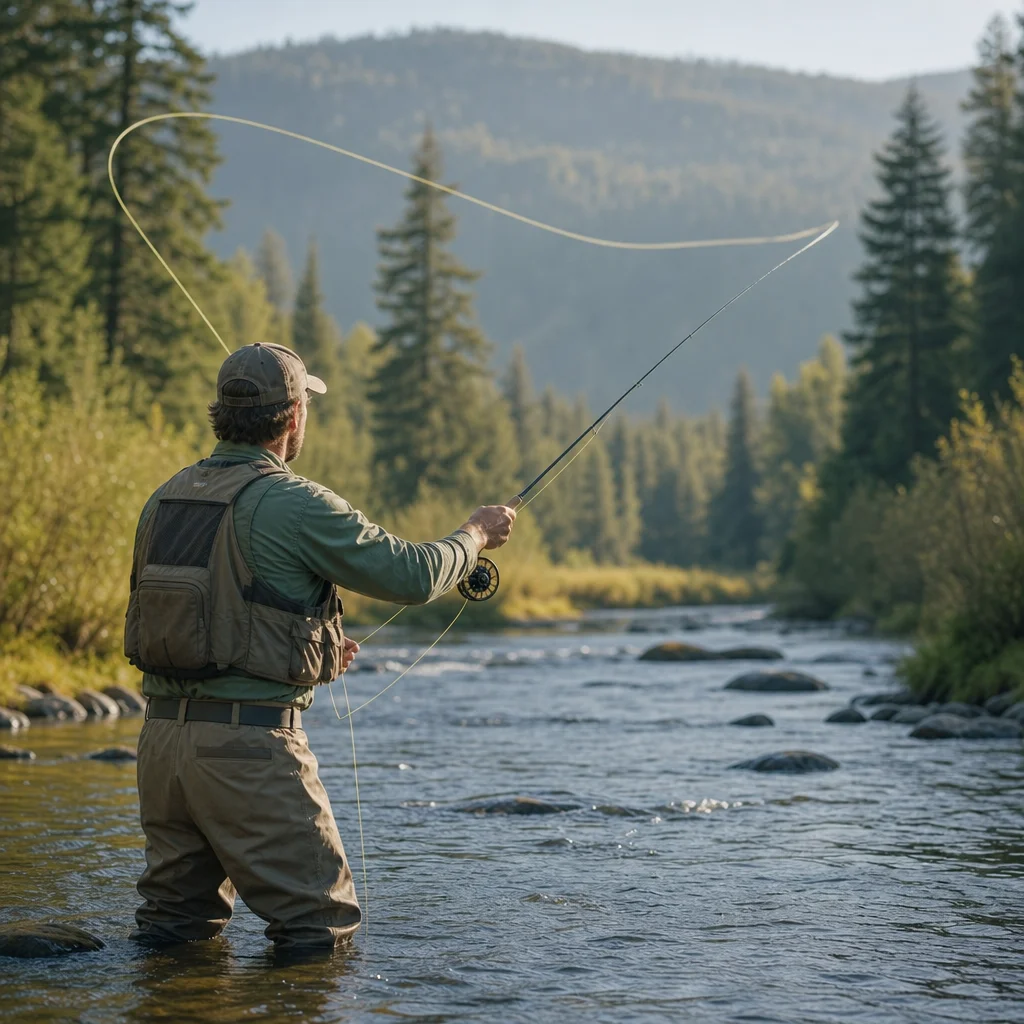
Your first trout outing is easier when the water matches your current skills. A narrow creek, a broad river, and a stocked trout pond can all produce fish, but they ask you to solve different problems with the same basic tackle.
For a first trip, prioritize three things: easy access, manageable water, and a realistic chance to practice successfully. The most beautiful or famous location isn’t automatically the best classroom. You want a place where you can focus on casting, presentation, and handling a fish rather than spending the whole day navigating hazards or guessing where trout might be.
The short answer
Choose a creek if you want a compact setting where trout are often easier to locate and short casts are useful. Choose a river if you’re ready to learn current, depth, and more demanding casting. Choose a trout pond if you want the simplest access and the clearest chance to practice basic fishing, especially where the pond is regularly stocked and set up for shore access.
For many first-season anglers, a trout pond or gentle creek is the least frustrating choice. A river can be an excellent first outing too, but select a calm, accessible section rather than treating the entire river as equally beginner-friendly.
Creek: the compact classroom
A creek is usually the most intimate of the three settings. You’ll often fish around riffles, small pools, undercut banks, and shaded edges. Because the water is confined, you may be able to identify likely trout-holding areas without walking a long distance or making very long casts.
Why a creek can work well
- Short casts are common. You may need only a few yards of line beyond the rod tip.
- Water features are easier to read. A deeper pool or slower seam can stand out from the surrounding shallow water.
- Walking and repositioning are straightforward when the banks are open and stable.
- Light gear is often sufficient. A modest rod, floating line, leader, and a small selection of flies can cover much of the basic work.
Creeks also teach an important lesson: your position matters. In narrow water, trout may notice movement, bright clothing, or a shadow on the surface before they notice your fly. Staying low, approaching from behind likely holding water, and making a careful first cast can matter more than adding another fly to your box.
The likely frustrations
Small water isn’t automatically easy. Trout in clear, shallow creeks can be cautious, and the confined space may leave little room for a back cast. Overhanging branches, tall banks, and brush can turn a simple cast into a knot-repair exercise.
Wading can also be deceptively difficult. A shallow-looking creek may have slippery rocks, undercut edges, or a stronger current than expected. You don’t need to enter the water to learn effectively. Start from the bank whenever possible and treat wading as optional, not as a requirement for being a “real” fly angler.
A creek is a good choice when you can find an open section with visible access, moderate current, and enough room to cast safely. Avoid making your first outing a bushwhacking expedition to a remote piece of water.
River: more room, more variables
A river gives you more water to explore, but that extra space can make decision-making harder. Trout may hold along current seams, behind rocks, near depth changes, beside banks, or in slower water. The river may also change from one section to the next, so a successful approach in one place may not work a short distance away.
Why a river can be rewarding
- There’s often room to cast. Wider banks can make back-casting easier.
- You can learn several presentations. Dry flies, nymphs, and streamers may each make sense in different conditions.
- The setting often supports gradual progression. You can begin with bank fishing and later explore more complicated water.
- Fish may have more varied holding options. This gives you useful practice reading current and structure.
The river’s main lesson is that moving water isn't uniform. Trout generally spend less energy in areas that provide shelter from the current while delivering food. Look first for changes: a slow edge beside faster water, a pocket behind a rock, a deep bend, or a seam where two currents meet.
You don’t need to understand every current line on your first day. Pick one manageable feature, make a few careful casts, and observe what happens before changing flies or moving far downstream.
The likely frustrations
A river can make beginners feel as if they’re missing an invisible answer. You may cover plenty of water without knowing whether your fly is reaching the right depth or drifting naturally. Fast current also magnifies small mistakes in mending, line control, and positioning.
Depth and footing deserve attention as well. A broad river may have powerful current even where the surface looks calm. Keep your first river outing on a gentle, accessible section, and avoid crossing the river simply because the opposite bank looks more promising. More water isn't always better water.
If you choose a river, simplify your goal. Success might mean identifying three different current features, getting a few clean drifts, and leaving with your tackle less tangled than it was at breakfast. A trout is a welcome bonus, not the only useful result.
Trout pond: the simplest starting point
A trout pond can remove several complications from a first outing. Shore access is often straightforward, the water is easier to see, and you may not need to wade. In stocked ponds, trout can also be distributed differently from wild fish in a creek or river, making the basic objective—present a fly where fish are feeding—more approachable.
Why a pond can work well
- You can usually fish from shore. This reduces the need for wading skills.
- Back-casting may be easier in an open area, provided other anglers and obstacles are accounted for.
- Still water slows the presentation. You have more time to observe your line and fly.
- A small kit is enough. A floating line, a few proven patterns, and basic terminal tackle can get you started.
A pond is particularly useful if your immediate priority is learning to cast, manage line, tie knots, and land a fish without adding current to every problem. You can watch how your fly behaves, notice when a fish follows or takes, and practice keeping tension while bringing the fish to hand.
The likely frustrations
Ponds can seem simple but still require observation. Trout may cruise at a particular depth, gather near an inlet, or respond better to a slow retrieve than a stationary fly. If fish are visible but ignore your offering, the issue may be depth, speed, fly size, or too much activity around the fly—not necessarily the need for a more elaborate setup.
Crowding can also change the experience. A popular pond may offer easy access but limited space, competing casts, and more cautious fish. Choose a quieter time or a less congested section when possible. Keep your casts compact and be aware of everyone around you.
A pond may teach less about reading a complex river, but that isn’t a flaw. It lets you build the basic habits you’ll later carry to moving water.
How to make the decision
Use your current constraints rather than choosing by reputation.
Choose a creek when:
- You have access to a stable, open bank.
- You’re comfortable making short, accurate casts.
- You want to learn how approach and positioning affect trout.
- You prefer exploring a small amount of water carefully.
Choose a river when:
- You can reach a gentle section with clear access.
- You want to begin learning current and drift control.
- You have enough room for safe casting.
- You’re willing to measure the day by practice, not just fish caught.
Choose a trout pond when:
- You want to avoid wading on your first trip.
- You need open space to practice casting and line management.
- You prefer a simpler way to observe fish and fly behavior.
- You’re taking children or a new angler and want fewer moving parts.
Check the water before you leave: Confirm that fishing is allowed at your chosen site, review the current license and trout regulations, and check access rules, opening dates, limits, and any local bait or fly restrictions. Conditions and regulations vary by jurisdiction and can change.
Keep the first outing minimalist
You don’t need a separate setup for every type of water. For a first trip, bring a serviceable rod and reel, a floating line, a leader suited to your intended flies, a small fly box, forceps or hemostats, nippers, and a net if you’re comfortable using one. Add polarized glasses, water, weather-appropriate clothing, and footwear with dependable traction.
Carry fewer flies than you think you need. A small range of sizes and silhouettes is more useful than a crowded box you haven’t learned to organize. Ask a local fly shop or angler what patterns are currently appropriate for the specific water, then choose a few options you can tie on confidently.
Handle fish with wet hands, keep them in the water as much as possible, and release them promptly when release is required or when that’s your choice. If you’re unsure about a fish’s condition, reduce handling time rather than extending the encounter for a photograph.
A sensible first-day plan
Arrive with one simple objective: make controlled presentations in safe water. Spend the first few minutes watching before you cast. Note wind direction, visible activity, current speed, depth changes, and where other anglers are getting reasonable drifts.
Start near the bank. Make short casts, keep only the line you can control, and change one variable at a time. If nothing happens, first check whether the fly is reaching the likely feeding zone and moving naturally. Then consider changing the fly or location.
For the least complicated introduction, select an accessible trout pond or a gentle creek. Choose a river when the section itself is beginner-friendly, not merely because the river is well known. The best first outing gives you room to learn, a manageable amount of water to read, and enough energy left to want another day on the water.