How to Choose Wading Boots for Slick Cobble and Long Walks
I’ll compare felt alternatives, rubber soles, studs, ankle support, drainage, and fit so you can choose wading boots that stay secure on slick cobble without punishing your feet on long walks.
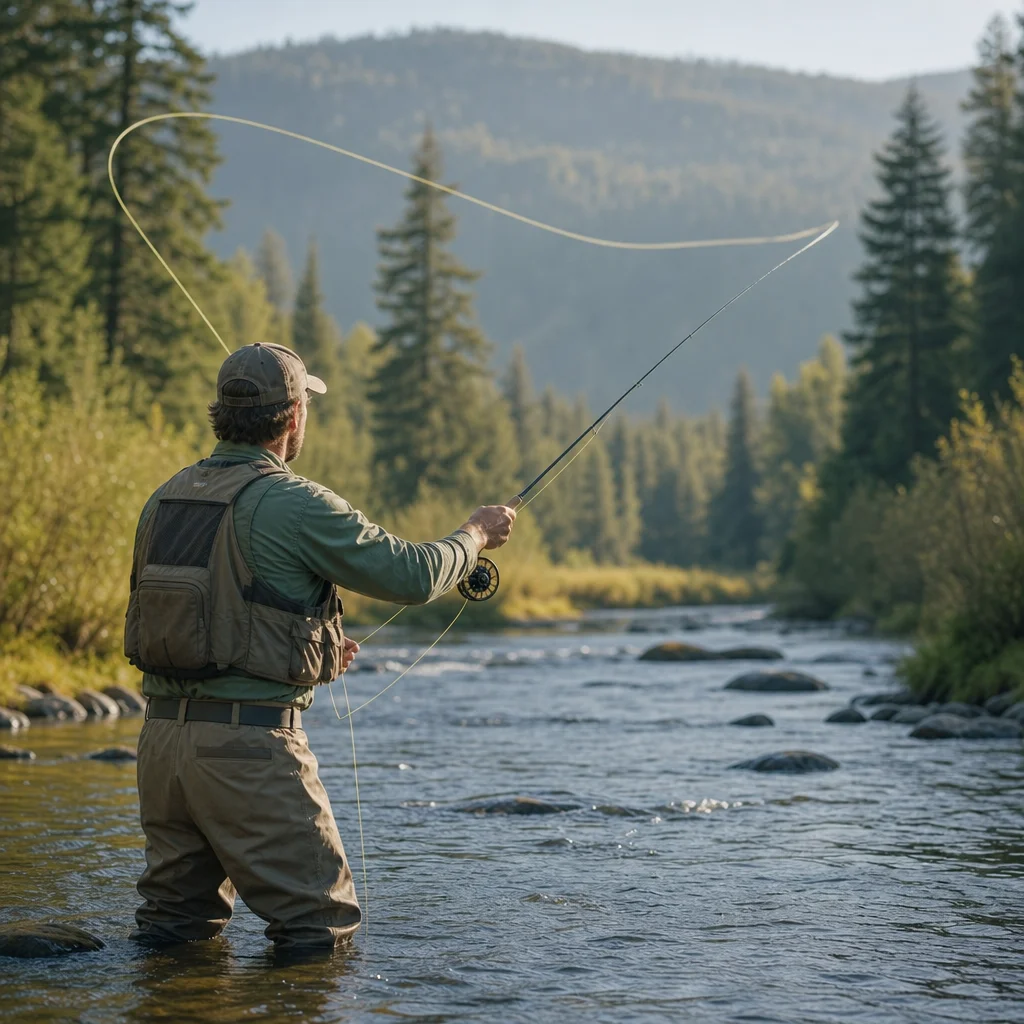
Choosing wading boots for Rocky Mountain rivers means balancing two different jobs. The boots must grip slick, rounded cobble in moving water, but they also need to feel tolerable when you’re walking from one access point to another. A sole that excels at one task can be mediocre at the other.
For a first pair, focus on four priorities: traction, fit, support, and how quickly the boots shed water. Then consider whether your local rivers and regulations allow the sole material you prefer.
Start with the sole: felt, rubber, or a hybrid?
Felt soles
Felt has long been valued for its grip on smooth, wet rock. The soft fibers conform to irregularities in the surface, giving you useful traction on slick cobble and algae-covered stones. For anglers who spend most of their time standing and wading in rocky streams, felt can feel reassuring underfoot.
The drawbacks are just as important. Felt is usually less comfortable and less predictable on dry trails, muddy banks, snow, and loose gravel. It can also wear down more quickly when you walk long distances outside the water. Most importantly, felt can transport aquatic organisms between waterways if it isn’t cleaned, dried, and handled correctly.
Felt isn't automatically the best choice simply because a river is slippery. Its usefulness depends on where you’ll fish, how far you’ll walk, and whether it’s permitted where you intend to wade.
Rubber soles
Rubber soles are the simplest all-around option for many beginners. They handle trails, banks, gravel roads, and streambeds without requiring a change of footwear. Rubber also tends to be easier to clean and dry than felt, which makes routine care less complicated.
Plain rubber can be less confidence-inspiring on smooth, wet cobble, especially when the sole has shallow tread or becomes packed with fine sediment. Look for a rubber outsole with a substantial lug pattern rather than a nearly flat hiking-boot sole. Deep lugs can help on dirt and uneven banks, although no tread pattern makes wet rock safe by itself.
Rubber is often the better starting point when you hike a long way to the river, fish several watersheds, or want one pair of boots for varied conditions.
Rubber with studs
Studs add small metal or carbide points to a rubber sole. They can improve purchase on hard, slick rock and may make a noticeable difference on steep cobble. They’re particularly useful when your fishing involves frequent wading rather than occasional shoreline steps.
Studs also introduce trade-offs. They can be noisy on rocks, uncomfortable on hard trails, and slippery on some smooth indoor or paved surfaces. They may damage fragile surfaces, boat decks, or vehicles if you don’t take care where you walk. Studs can also loosen or wear down, so inspect them periodically.
A studded rubber boot is a strong compromise for anglers who need better rock traction but also walk significant distances. If you choose this setup, treat the studs as a traction aid, not permission to wade faster or cross water that is beyond your ability.
Replaceable soles and hybrid designs
Some boots accept interchangeable soles, allowing you to use rubber, felt alternatives, or studded options depending on the water. This flexibility can be useful if your fishing includes different surfaces or if local rules vary.
The cost and extra hardware are the trade-offs. A replaceable sole system may weigh more, require more maintenance, and cost more initially. For a beginner who fishes one type of river, a well-fitting fixed-sole boot is often easier to live with.
Choose traction for the whole day, not one crossing
It’s easy to test boots by imagining the most slippery rock you’ll encounter. Your actual day may include a trail, a steep bank, a gravel bar, several hours in cold water, and a long walk back to the vehicle. Consider the complete route.
For mostly in-stream fishing with short approaches, felt or studded rubber may deserve closer attention. For long approaches over dirt, talus, and gravel, lugged rubber is generally more versatile. For mixed conditions, studded rubber or a replaceable-sole system can offer a practical middle ground.
A boot that grips brilliantly but leaves your feet exhausted can reduce your stability later in the day. Fatigue encourages rushed steps, poor footing, and questionable decisions. Comfort is part of traction because it helps you remain deliberate.
Check your river’s sole rules: Before buying felt or planning to use studs, confirm the current regulations, land-management requirements, and access guidance for the waters you fish. Restrictions can vary by jurisdiction and may change, so check the relevant state, provincial, tribal, federal, or local source for each destination.
Look for ankle support without buying a rigid shell
Wading boots should hold your foot securely while allowing enough ankle movement to walk naturally. A firm, padded upper helps protect your ankles from bumps and supports you when you step across uneven cobble. It shouldn't force your ankle into one position or create a pressure point at the top of the boot.
A very soft shoe-like boot may feel comfortable in the shop but allow your foot to roll more on uneven ground. At the other extreme, an overly stiff boot can make walking awkward and increase fatigue. Beginners usually do well with a medium-stiff upper that has a structured heel counter, useful ankle padding, and secure lacing.
Pay attention to the heel. Your heel should stay mostly seated when you walk, with only minimal lift. Excess movement can create blisters and make each submerged step feel less controlled.
If you regularly carry a pack, cross steep banks, or fish rough talus, prioritize a supportive upper and stable heel. If most of your fishing involves short, gentle approaches, you may prefer a lighter boot with less structure.
Get the fit right with waders and socks
Fit problems often come from trying boots on with ordinary socks. Bring the wader socks or thick fishing socks you actually use. Neoprene stocking-foot waders add considerable volume, and a boot that fits perfectly over a thin sock may be too tight in the field.
Your toes should have room to move, but your foot shouldn’t slide forward when you walk downhill. You should be able to flex your toes without pressing them against the front of the boot. Keep enough space for insulation if you fish cold water, but don’t size up so far that your heel floats.
Try these checks before buying:
- Lace the boot as you would on the river, with firm but comfortable tension.
- Walk up and down a ramp or staircase if the shop permits it.
- Roll gently from heel to toe and notice whether your foot shifts inside.
- Bend your knees and simulate stepping over uneven ground.
- Wear both boots for several minutes, checking for pressure at the toes, ankle bones, instep, and heel.
Boots should feel secure before they are wet. Water won’t correct a poor fit; it usually makes rubbing and looseness more noticeable.
Don’t ignore drainage and drying
Wading boots are designed to take on water. The goal isn’t to keep them dry; it’s to let water pass through rather than trapping a heavy, sloshing pocket around your feet.
Look for drainage ports or mesh panels that allow water to escape. A boot with good drainage will still feel heavy when wet, but it shouldn't retain excessive water as you walk. Drainage also helps reduce the time needed for drying between outings.
After fishing, rinse away mud, sand, and plant material. Open the boots fully and let them dry in a ventilated place away from intense direct heat, which can damage adhesives, leather, or synthetic materials. Never assume that a boot is clean just because it looks dry on the outside.
If you fish multiple watersheds, cleaning and drying your footwear between trips is especially important. Follow the current recommended process from local fish-and-wildlife authorities, since the best treatment can depend on the sole and upper materials.
Consider weight and walking comfort
A wet boot is heavier than a dry one, and metal studs add more weight. That difference may not matter during a short wade, but it becomes obvious after several miles on a trail.
Lightweight boots reduce fatigue and may be comfortable for casual use. Heavier boots often provide more protection, structure, and durability. Choose based on the distance and terrain you actually cover, not only on the boot’s weight in a store.
If you frequently walk long approaches, examine the tread and midsole as carefully as the wading performance. A boot with a reasonably flexible forefoot and a supportive heel will usually feel better on trails than an extremely rigid wading boot.
A sensible beginner setup
For many beginners fishing rocky mountain streams, a supportive rubber-soled boot with a real lug pattern is the most versatile starting point. It works across trails and water, is straightforward to maintain, and avoids committing to a sole that may not be legal or suitable everywhere.
Choose studded rubber when slick rock is a frequent concern and you’re comfortable accepting extra weight, noise, and care requirements. Consider felt only after checking local rules and thinking honestly about how often you’ll walk outside the stream. Choose replaceable soles when you have a clear need for multiple traction options rather than simply because the system offers more features.
Whatever the sole, add a wading belt when wearing chest or waist-high waders, and use a wading staff if the current, depth, or footing exceeds your confidence. Those decisions matter more than squeezing a little extra performance from one outsole.
Final checklist before you buy
- Sole: Does it match your mix of slick rock, trails, gravel, and banks?
- Legality: Have you checked current local rules for felt and other traction systems?
- Studs: Are you prepared for their noise, weight, maintenance, and limits?
- Support: Does the upper stabilize your ankle without feeling rigid or restrictive?
- Fit: Does it work with your actual wader socks and leave room for your toes?
- Drainage: Can water and sediment escape, and can you clean the boot properly?
- Walking comfort: Will the boot remain manageable after several hours and a long approach?
Try boots on with your full wading setup, walk in them before committing, and favor secure comfort over the most aggressive-looking sole. The right pair won’t eliminate every awkward rock, but it will help you move carefully, stay fresher, and spend more attention on the water than on your feet.