What Sunglasses Actually Help You See Trout?
I’ll explain which sunglasses features make trout easier to spot, from polarized lenses and useful tints to fit, glare control, and low-light limits. You’ll be able to choose eyewear for the water you fish instead of relying on lens color alone.
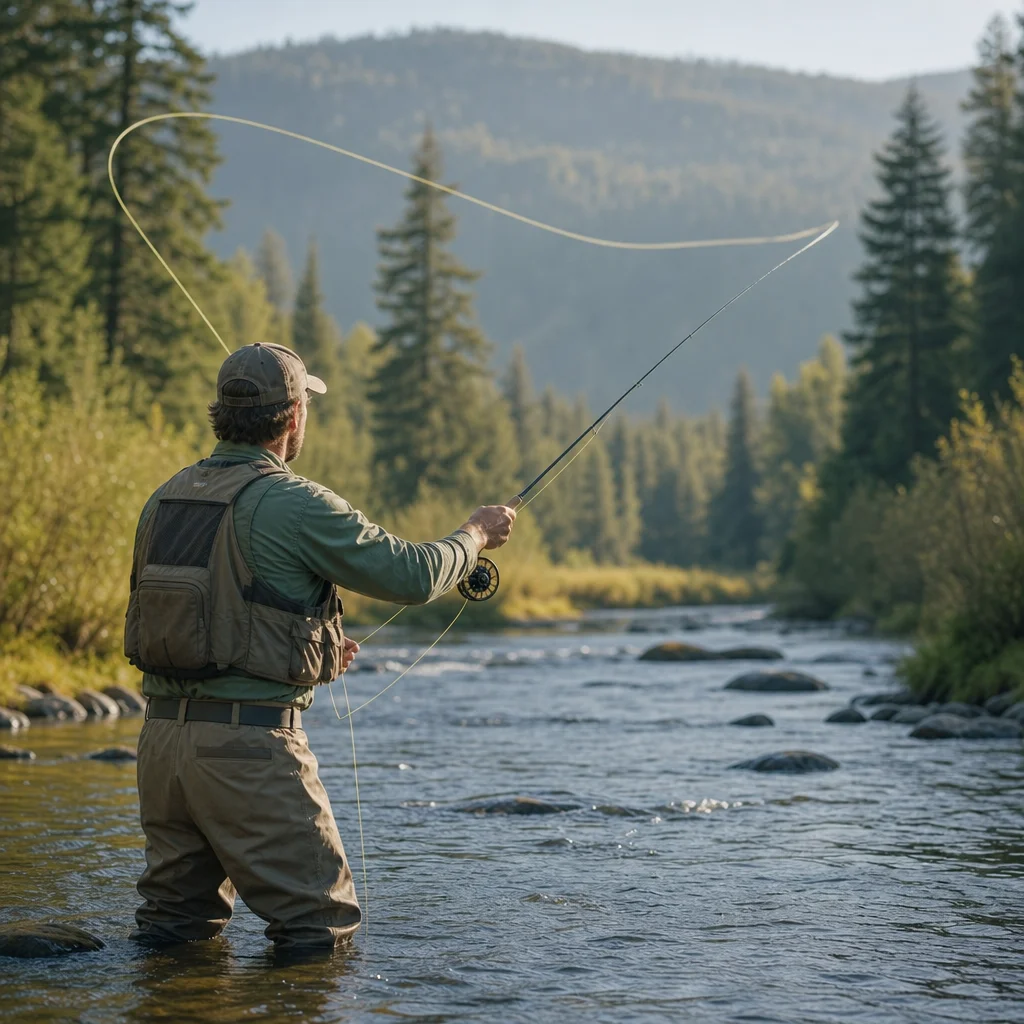
If you’re looking into a riffle and seeing only your own reflection, the problem may not be your eyesight—or your ability to find trout. The right sunglasses can reduce surface glare enough to reveal fish, holding water, and changes in depth. The wrong pair can leave you with a dark, distorted view just when the light begins to fade.
For most anglers, the best starting point is a comfortable pair of polarized sunglasses with full ultraviolet protection, a useful lens tint, and a secure fit. Lens color matters, but it’s not the feature that does the main work.
Start with polarization
Polarization is the most important feature for seeing into the water. Light reflecting off the surface becomes strongly oriented in one direction, and polarized lenses filter much of that reflected glare. With less glare reaching your eyes, you have a better chance of seeing rocks, weed beds, drop-offs, and trout beneath the surface.
Polarized sunglasses won’t let you see through every reflection. They can’t overcome deep water, heavy surface chop, muddy conditions, or poor visibility. They also don’t magnify fish. Their benefit is simpler: they remove a major layer of visual interference.
When you compare two pairs, prioritize polarization over a fashionable tint or an especially dark lens. A non-polarized pair with a supposedly “trout-friendly” color usually won’t outperform a well-made polarized pair in bright, reflective conditions.
Check the view before you buy
If possible, look through the glasses at a reflective surface or a water scene. Rotate the sunglasses while viewing the reflection. The glare should change noticeably as the lenses turn. This isn’t a complete quality test, but it can help confirm that the pair is polarized.
If you wear prescription glasses, ask an optician about prescription polarized lenses or a compatible polarized option. Clip-ons can work, but they may leave gaps around the edges and can be less secure when you’re moving along uneven banks.
Choose lens color for the light
Lens tint changes brightness, contrast, and how colors appear. It doesn’t replace polarization, and no single tint is ideal for every stream and every hour of the day.
Copper, amber, and rose: versatile sight-fishing choices
Copper, amber, and rose tints often make a good general choice for trout fishing. They can increase contrast between a fish, the riverbed, and the surrounding water, particularly under partly cloudy skies or in the variable light found on wooded streams.
These tints may help you notice the subtle shape of a trout holding near a rock or the darker edge of a deeper channel. They can also make the scene look warmer, which some anglers find easier to read for long periods.
They’re not magic low-light lenses. A dark copper lens can still be too dim in the evening, under dense cloud, or beneath heavy tree cover. If you choose copper as your only pair, look for a moderate rather than extremely dark tint.
Gray: comfortable in strong sun
Gray lenses preserve a relatively natural view of colors and are comfortable in bright sunlight. They’re a sensible choice for open rivers, bright lakes, and long days when reflected light is intense.
Gray may provide less apparent contrast than copper or amber in some sight-fishing situations. That doesn’t make it a poor trout lens; it means its main strength is balanced brightness and comfort rather than emphasizing edges and warm-toned contrast.
Yellow and light amber: useful, but limited
Yellow or very light amber lenses can brighten a dim scene and make contrast feel more pronounced. They may be useful in overcast weather, early morning, or heavily shaded water.
Because they transmit more light, they can become uncomfortable in strong sun. They’re best treated as a specialized or second pair unless you mostly fish in low-light conditions.
Blue and mirrored lenses
Blue or blue-gray lenses are often chosen for appearance and bright-water comfort, but they aren’t automatically better for spotting trout. A mirror coating can reduce the amount of light entering the eye and may improve comfort in intense glare, yet it doesn’t eliminate the need for polarization or a suitable base tint.
Choose the view you can read comfortably, not the color that looks most technical in the display case.
Don’t overlook lens brightness
Tint darkness affects how much light reaches your eyes. Very dark lenses can be comfortable under a cloudless sky but make it harder to see when conditions change. Many trout streams move quickly from sunlight to shade, especially when you’re walking beneath trees or fishing narrow valleys.
A moderately dark lens is often more practical than an extremely dark one for general freshwater use. You want enough glare reduction for bright water without losing the ability to see into shadowed pools.
If you fish from dawn through midday, a single pair may force a compromise. A lighter, high-contrast lens can handle morning and shade, while a darker gray or copper lens can be more comfortable in intense afternoon sun.
Check the light before you commit: Before heading out, consider whether your route includes open sun, deep shade, or both. Carry a lighter lens for changing conditions rather than assuming the darkest pair will reveal the most fish.
Fit affects what you can see
A technically excellent lens won’t help much if the frame sits poorly or lets bright light leak around the edges. Look for a fit that stays in place when you bend, cast, or turn your head.
Useful fit features include:
- Coverage around the sides: Wraparound or curved frames reduce side glare, especially when the sun is low.
- A stable nose bridge: The glasses shouldn't slide down when you sweat or look toward your feet while wading.
- Comfort behind the ears: Pressure becomes distracting after several hours and may tempt you to remove the glasses at exactly the wrong time.
- Enough clearance for eyelashes and eyebrows: Lenses that sit too close can fog more easily.
- A secure retainer: A strap or tether won’t improve optical performance, but it can keep an expensive pair from floating downstream.
Avoid frames so tightly wrapped that they distort the view at the outer edges. When you move your eyes rather than your head, straight lines shouldn't appear to bend noticeably. If the frame makes the scene feel warped, try another shape.
Reduce glare without creating new problems
A good pair should control glare from the water while preserving a clear, comfortable image. Keep the lenses clean: dried water spots, sunscreen, dust, and fine spray can scatter light and make glare seem worse than it is.
Rinse grit away with clean water before wiping. Use a lens-safe microfiber cloth rather than a shirt sleeve or paper towel. Small scratches may not seem serious, but they can create bright streaks when the sun hits from the side.
Anti-reflective coatings on the back of the lenses can reduce reflections from behind you. They’re useful but not essential. A well-fitting frame and polarization generally have a larger effect on your view of the water.
Some photochromic lenses darken in response to ultraviolet light. They can be convenient when moving between shade and sun, but they may change more slowly than conditions do. They can also remain relatively light inside a vehicle because windshields filter much of the ultraviolet light that activates them.
Understand what sunglasses can’t fix
Even excellent eyewear has limits. You may struggle to see trout when:
- The water is carrying heavy sediment.
- Wind is breaking up the surface.
- The sun is directly in front of you or behind the fish.
- You’re looking through deep water at a steep angle.
- The streambed and the fish have similar colors.
- Your eyes haven’t adjusted after moving between bright sun and shade.
Change your position before blaming the glasses. Move a few steps upstream or downstream, lower your viewing angle, and use bankside shade when it helps. Polarized lenses work best when you combine them with better observation angles and slower movement.
Remember that polarization can interfere with some digital displays, including certain phone or camera screens. If you use a device to check maps or take photos, tilt it or remove the glasses temporarily if the screen appears unusually dark.
A sensible buying decision
For a first or replacement pair, use this order of priorities:
- Full ultraviolet protection and reputable construction. Protect your eyes as well as your view.
- Polarized lenses. This is the major glare-reduction feature for looking into water.
- A tint suited to your usual light. Choose copper or amber for versatile contrast, gray for bright conditions and natural color, or a lighter tint for shade and overcast weather.
- A stable, comfortable fit. Coverage and security matter during long days and active wading.
- Lens quality and maintenance. Clear, undamaged lenses are more useful than elaborate coatings you won’t care for.
You don’t need the darkest or most expensive sunglasses to spot trout. You need a pair that cuts surface glare, keeps the scene readable, and remains comfortable enough to wear continuously.
Before your next trip, match the glasses to the water rather than the marketing label. If you fish bright, open rivers, start with polarized gray or moderately dark copper lenses. If you spend more time on shaded streams and in changing cloud, consider a lighter copper, amber, or rose tint. Keep the lenses clean, protect them from scratches, and change your position when reflections persist. Those small decisions will usually reveal more than chasing a perfect lens color.