How to Choose Nymph Weight When Depth and Current Change
Changing depth and current calls for more than simply adding weight. I’ll show you how to balance bead size, fly density, split shot, and indicator position so your nymphs reach the feeding lane without turning the rig into a snagging machine.
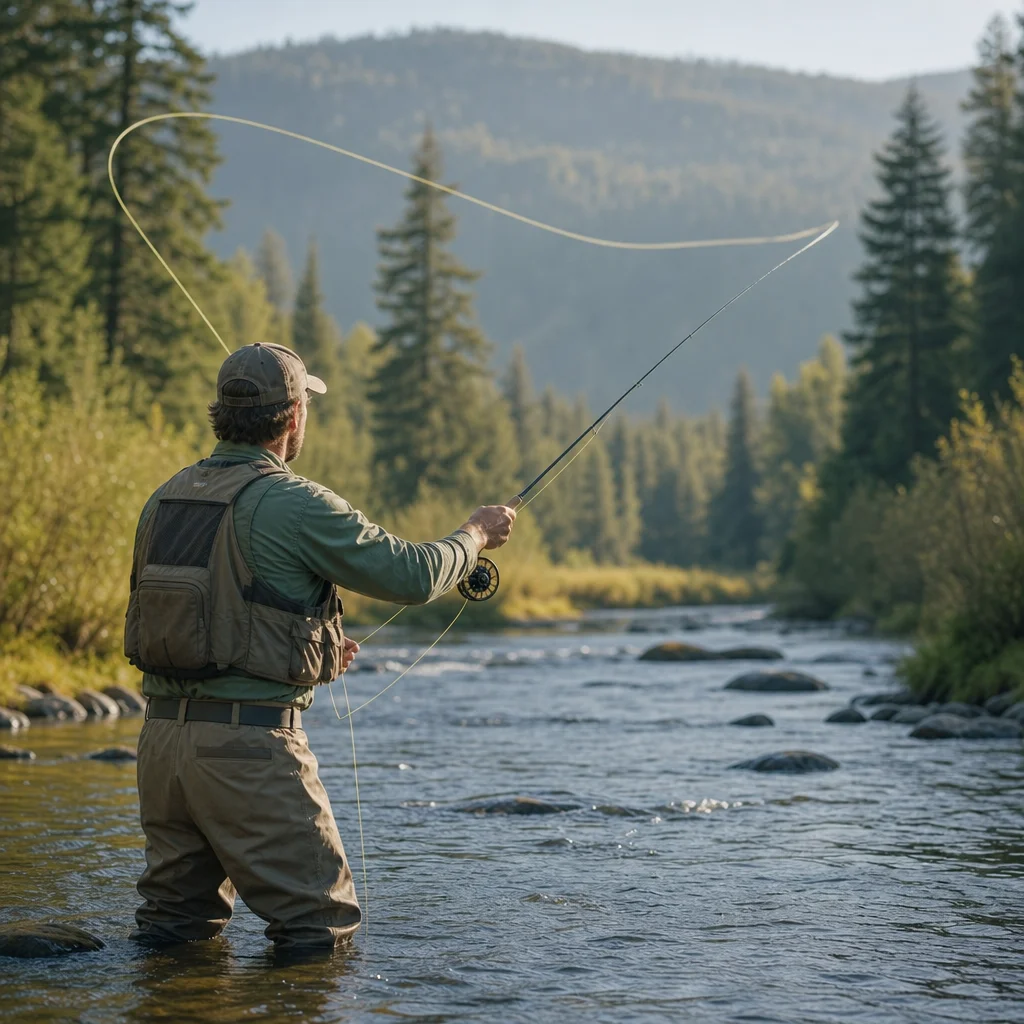
If your nymphs are drifting above the fish, the obvious response is to add weight. Sometimes that’s right. Other times, extra weight creates constant snags, drags the flies out of the strike zone, or makes a careful presentation nearly impossible.
The better approach is to treat weight as one part of a depth-control system. Bead size, fly density, split shot, tippet length, current speed, and indicator position all affect how quickly your flies descend and how naturally they drift. The goal isn’t to make the rig as heavy as possible. It’s to make it heavy enough to reach the feeding lane while still remaining manageable.
Start with the water, not the fly box
Before changing your rig, estimate where trout are likely to feed and how much force the current is applying to your flies.
In a shallow riffle, a lightly weighted nymph may reach the bottom quickly enough. In a deep pool with a soft surface and a stronger subsurface current, the same fly can remain suspended well above the fish. A fast, broken run may require additional weight even when it looks relatively shallow because the current keeps the flies from settling.
Pay attention to three practical variables:
- Depth: How far must the flies travel before reaching the target zone?
- Current speed: How strongly does the flow resist the flies’ descent and move them downstream?
- Time available: How long will the rig spend in productive water before it reaches the end of the drift?
A nymph that eventually reaches the bottom after drifting through the best water is functionally too light. Likewise, a rig that reaches bottom immediately and spends the rest of the drift dragging is too heavy or poorly balanced.
What each weight option changes
Different ways of adding weight solve different problems. Choosing among them is a trade-off between sink rate, control, snag risk, fly action, and ease of adjustment.
Larger or heavier bead
A heavier bead is a clean way to increase a fly’s sink rate without adding another object to the leader. It can simplify the rig and keep the weight close to the fly, which often helps the point fly reach depth efficiently.
The drawbacks are equally important. A larger bead may change the fly’s profile, reduce its natural movement, and make it land more heavily. It can also shift the balance of a two-fly rig. If the weighted fly is at the point, it may pull the upper fly down more effectively; if the arrangement is reversed, the rig may behave differently during the cast and drift.
Use a larger bead when you regularly fish deeper or faster water and want a consistent, low-maintenance setup. It’s less useful when conditions vary dramatically from one run to the next and you need fine control over incremental changes.
Dense fly materials
Some nymphs sink well because of tungsten beads, wire underbodies, or other dense construction. These flies can reach depth without much added bulk, making them useful when you need a compact presentation.
Density isn't the same as total weight, though. A slim, dense fly may descend quickly but still be easy for the current to move once it reaches the lower part of the water column. A larger, less dense fly may present more resistance and behave differently even if both flies weigh about the same.
Dense flies are particularly helpful when you want to avoid split shot, when casting room is limited, or when the fish respond better to a smaller profile. Their limitation is flexibility: changing flies may change your depth more than expected, especially in water where a small difference in sink rate matters.
Split shot
Split shot gives you the most immediate and adjustable way to add weight. You can add a small amount for a deeper lane, remove it for shallow water, or distribute weight along the leader to alter how the flies descend.
The main benefit is control. You don’t need a separate fly for every combination of depth and current. A lightly weighted nymph can become part of a heavier setup when conditions demand it.
The trade-offs include a less tidy rig, additional casting difficulty, and a greater chance of snagging. Concentrated shot can make the leader hinge and cause the flies to trail behind or behave unnaturally. It can also fall off, damage fine tippet, or create a hard landing if the cast is too forceful.
If you use shot, add the smallest amount that produces a useful improvement. Place it carefully rather than automatically pinching everything close to the fly. The best position depends on whether you want the whole rig to sink quickly or the flies to descend with a more separated, natural movement.
Check the rig before you adjust: Pinch shot securely without crushing the tippet, and confirm that your setup complies with the local rules for weight, hooks, and indicator use. Regulations can differ between rivers and may change over time.
Match the adjustment to the problem
Not every depth problem calls for more weight. Use the symptom to decide what to change first.
The flies never reach the target depth
If the flies remain high throughout the drift, increase sink rate in a controlled sequence:
- Lengthen the leader or tippet only if the indicator and rig are already sinking efficiently. Extra leader can help reach depth, but it also gives the current more material to move.
- Switch to a denser or more heavily beaded fly.
- Add a small amount of split shot if you need a quick, reversible change.
- Adjust the indicator upward so the rig has more time to descend before reaching the productive water.
Many anglers add shot first, but indicator position can be just as important. If the indicator is set too close to the flies, even a heavy nymph may not have enough time to get down before it passes the fish.
The rig reaches bottom immediately
Frequent bottom contact can look encouraging because it proves the flies are deep. But constant ticking, lifting of the indicator, or repeated snags usually means the rig is too heavy for that section or the indicator is set too deep.
Try removing a small amount of shot before changing flies. If the problem occurs only in a shallow section, shorten the distance between indicator and flies. You can also move to a lighter point fly or a less dense pattern.
The aim is occasional contact, not continuous dragging. A nymph should spend enough time near the bottom to intersect feeding fish while still drifting through the run.
The flies reach depth but drag across the current
This is often a presentation problem rather than a simple weight problem. A heavily weighted rig can anchor itself while the indicator and leader continue downstream at a different speed. The result is tension, unnatural fly movement, and a drift that looks more like a slow retrieve.
Try reducing weight, extending the leader slightly, or improving your upstream cast and mend. If the current is layered, the flies may be in one speed of water while the indicator rides in another. More weight can intensify that mismatch.
The rig is difficult to cast
A heavy nymph, shot, indicator, and long leader create a system with more momentum and more opportunities to tangle. Avoid trying to solve this with a faster, tighter cast. A slower open loop and a controlled water haul are generally easier on the rig and the angler.
If casting remains awkward, simplify. Use one dense fly instead of two lightly weighted flies, reduce shot, shorten the leader temporarily, or choose a smaller indicator. The deepest possible rig isn't useful if you can’t place it accurately.
Use indicator position as a depth control
Indicator adjustment is one of the cleanest ways to respond to changing depth. Moving the indicator farther from the flies gives them more time to sink. Moving it closer helps keep the rig from dragging in shallow water.
However, more distance isn’t automatically better. A long indicator-to-fly section can make it harder to mend, detect subtle takes, and keep the flies in the intended lane. It can also increase the amount of leader lying in conflicting currents.
Change indicator depth in modest increments. If you’re fishing a run that gradually deepens, adjust as you move rather than choosing one extreme setting for the entire stretch. The right distance is the shortest one that allows the flies to reach the feeding zone consistently.
Account for current seams and depth changes
Freestone streams rarely offer one uniform current. A fast tongue may run beside a slower pocket, and the bottom may drop sharply behind a rock. Your rig can require different weight in each lane even when the surface appears similar.
In fast water, extra weight may help the flies get below the surface turbulence. In a slower pocket next to that current, the same setup may dive too quickly and snag. Instead of changing the entire rig immediately, alter your cast angle, mend, or indicator position to keep the flies in the intended seam.
When moving from shallow to deep water, add weight gradually. When moving from deep to shallow water, remove weight before you start fishing the new section. Waiting until the rig is repeatedly snagged usually costs more time than making the adjustment early.
A practical weighting sequence
For a variable river, begin with a moderately weighted fly and enough indicator separation to reach the expected depth. Then adjust in this order:
- Improve the drift: Cast upstream or across-and-upstream as needed, mend to reduce drag, and keep excess line off the water.
- Change indicator distance: Give the flies more or less time to sink.
- Change fly density: Swap to a heavier or lighter pattern if the conditions are likely to persist.
- Add or remove a small amount of shot: Use this for fine-tuning or short-term changes.
- Reassess the rig: If it still won’t fish correctly, the issue may be leader diameter, tippet length, fly spacing, or current selection rather than weight alone.
This sequence keeps you from adding weight to compensate for a poor angle or a dragging indicator.
Avoid the most common weighting mistakes
Assuming deeper always means heavier
A deep, slow pool may require less weight than a shallow, turbulent run. Current determines how quickly the rig sinks and how long it stays in the target lane. Depth matters, but it isn’t the only measurement.
Using shot to fix every problem
Shot can’t correct a poor drift, an unsuitable leader, or an indicator set too close to the fly. If the rig is moving too quickly through the zone, adding weight may make the problem worse.
Fishing one setup everywhere
A versatile rig is useful, but a single weight configuration rarely performs equally well in pocket water, riffles, and deep pools. Carry a few flies with different bead sizes or densities, and keep a small range of shot sizes available where permitted.
Ignoring how the rig lands
If the setup lands with a loud splash or tangles on entry, it may be too heavy or too compact for the water you’re fishing. A delicate presentation often matters more in shallow, clear water than another increment of sink rate.
The useful middle ground
The best nymph weight is the lightest setup that reaches the feeding depth during the useful part of the drift. That may mean a heavy bead in fast water, a dense but slim fly in a clear run, or a lightly weighted pattern with a small amount of shot when conditions are changing.
Before your next cast, ask three questions: Are the flies reaching the target lane? Are they drifting without persistent drag? Can you adjust the setup without sacrificing control? If the answer to all three is yes, you’ve probably found the right balance.
Start with presentation, adjust indicator distance, and then change fly density or add small amounts of shot. That approach keeps your rig adaptable—and keeps “more weight” from becoming the only tool in the box.